
The Costs of Complicity
FatherlandThis flow examines how officials and ordinary people rationalize participation, and how March comes to reject those evasions.
increasing Bearing strength in each event
 decreasing
Bearing strength in each eventdecreasingA Uniform as Excuse
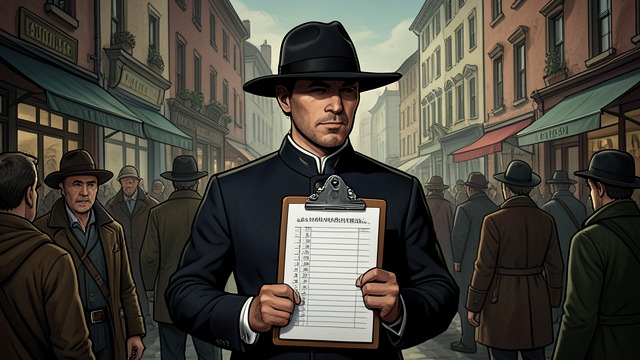
A Uniform as Excuse
Service Within the System
March has long argued that the Kripo uniform lets him do some good. He treats institutional participation as a practical compromise rather than endorsement.
Moral Erosion
His own explanation becomes harder to believe as political crimes intrude on ordinary police work. The novel asks whether limited good can absolve service to a criminal state.
The Comfortable Explanation
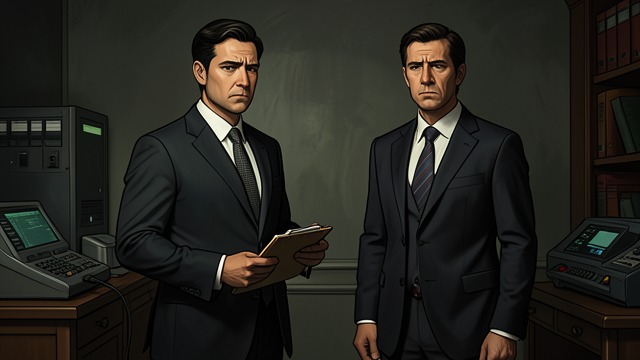
The Comfortable Explanation
A Corruption Narrative
The Gestapo presents Buhler and Stuckart as victims of an art fraud. The explanation is believable because both men were corrupt and wealthy.
Complicity Concealed
A true crime becomes a false account of the killings. The cover story allows officials to condemn personal greed without addressing the state crime they are protecting.
Jaeger’s Obedience
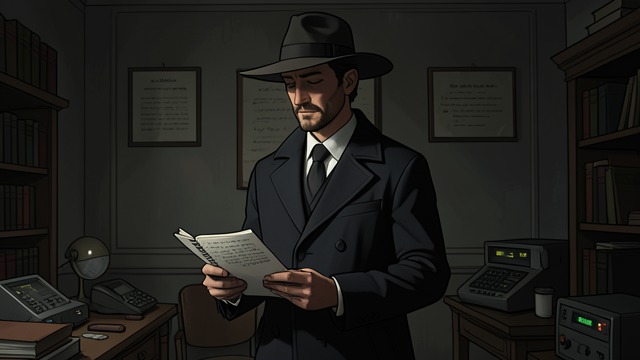
Jaeger’s Obedience
Family as Justification
Jaeger says he obeyed Globocnik because he feared for his wife and children. He casts compliance as the law-bound choice of an ordinary policeman.
Responsibility Remains
March’s anger exposes the cost of that defense: Jaeger’s reports helped endanger Jost and the investigation. The scene refuses to make fear either meaningless or exculpatory.
The Interrogator’s Discovery
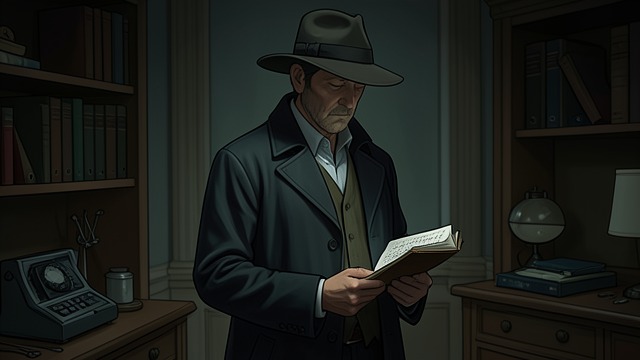
The Interrogator’s Discovery
Krebs Reads the Evidence
Krebs sees records about camps, killing methods, and deportations. He says he did not know the scale or Globocnik’s role.
Knowledge and Choice
March argues that people knew enough to recognize the signs, even without proof. Krebs’s shock leaves open whether new facts will change his conduct or merely deepen his fear.
Refusal to Look Away
Refusal to Look Away
A Physical Remnant
March finds burned bricks at the site where Globocnik insists no trace remains. The discovery converts an abstract dispute into contact with material evidence.
Moral Separation
March faces capture and possible death, yet no longer accepts silence as a neutral option. His actions oppose the explanations that once protected him from responsibility.
Before April 1964
Thursday night, April 16
Sunday night, April 19
Sunday, April 19
Führertag, April 20
