
The Art Looting Cover
FatherlandThis flow follows the genuine theft of Polish art and shows how that crime becomes a misleading explanation for political murders.
increasing Bearing strength in each event
 decreasing
Bearing strength in each eventdecreasingPlunder in Occupied Poland
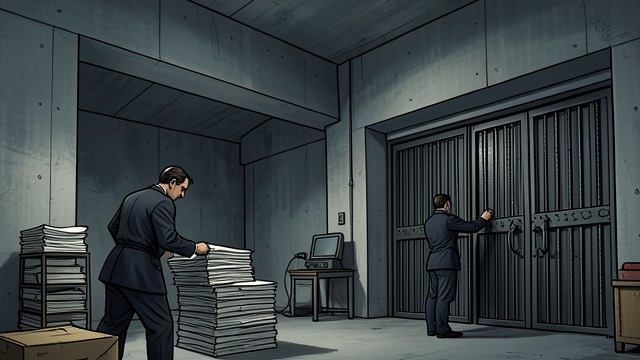
Plunder in Occupied Poland
Official Access
Buhler serves in the General Government, where his office gives him access to cultural property taken from Poland. Stuckart can arrange storage and documentation through the Interior Ministry.
A Profitable Network
Luther’s Foreign Ministry position enables travel and smuggling abroad. Three senior officials turn institutional authority into a system for private enrichment.
A Private Treasure Room
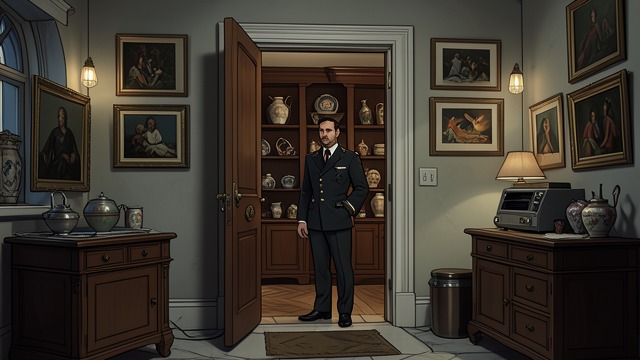
A Private Treasure Room
Wealth Hidden at Home
Buhler’s villa contains a secret chamber of stolen masterpieces. The collection includes works removed from churches, museums, and private collections in occupied Poland.
Luxury After Office
The artworks illuminate how wartime plunder financed the officials’ postwar comfort. Their private fortunes are built from public conquest and dispossession.
An Investigation Redirected
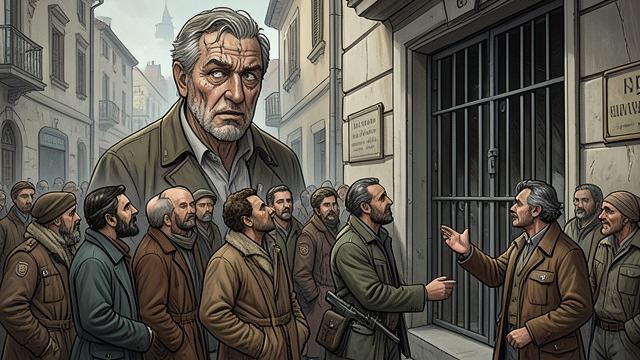
An Investigation Redirected
The Gestapo’s Explanation
Globocnik presents the theft as the motive for Buhler’s and Stuckart’s deaths. The hidden art room appears to validate his account.
Truth Used as Camouflage
The officials really were involved in art fraud, but that fact masks the campaign against Wannsee witnesses. A genuine scandal makes a more convincing cover than an invented one.
A Portrait in Switzerland
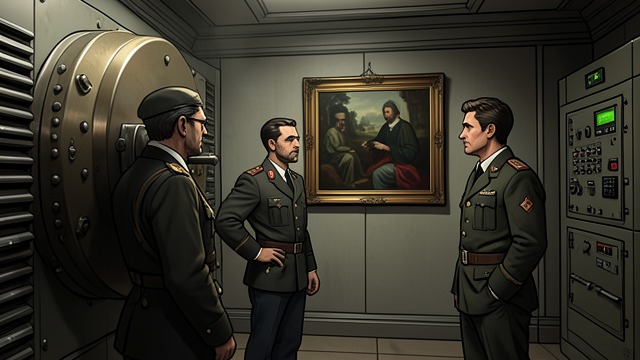
A Portrait in Switzerland
A Masterpiece Abroad
The Swiss deposit box contains a Renaissance portrait, apparently removed from its Polish owners and kept outside the Reich. Its presence confirms the account’s connection to the art network.
The Wrong Answer
March realizes the picture is not the evidence Luther risked his life to retrieve. The art explains one crime but cannot explain the systematic deaths.
The Cover Falls Away
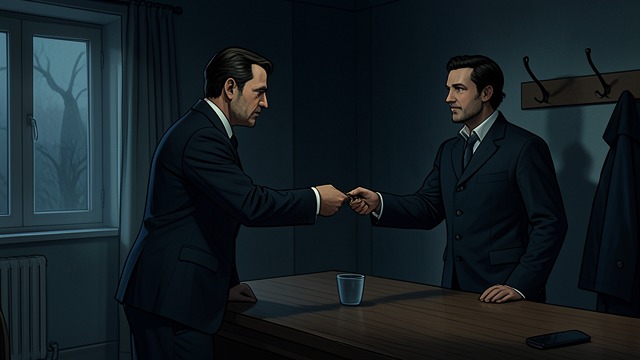
The Cover Falls Away
Documents Replace Art
The contents of Luther’s case reveal records of deportation and extermination. The art fraud becomes a distraction from a crime of vastly greater scale.
A New Interpretation
March sees that Globocnik has used the collection to justify his control of the investigation. The true motive is to prevent the surviving evidence from reaching the world.
From 1939 onward
By the early 1950s
Thursday, April 16
Friday, April 17
Saturday, April 18
