
The Hidden Record of Genocide
FatherlandThis flow traces the discovery of documentary evidence that transforms vague suspicion about deportations into a detailed record of mass murder.
increasing Bearing strength in each event
 decreasing
Bearing strength in each eventdecreasingA Vanished Family
A Vanished Family
A Photograph in the Wallpaper
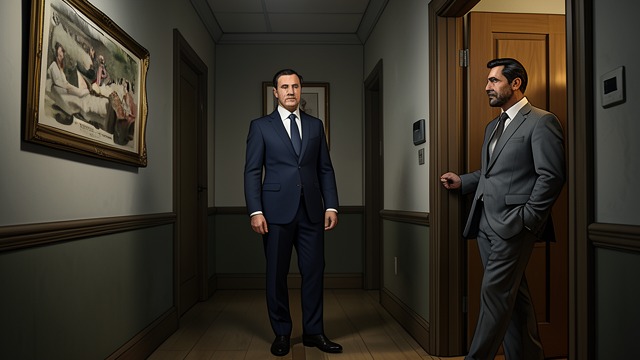
Years before the main case, March finds a family photograph hidden in his apartment. The landlord’s records identify the former tenant as Jakob Weiss, but reveal nothing about his fate.
The Official Silence
An elderly neighbor says the Weisses were Jewish and had been evacuated east. March recognizes that the accepted explanation is also a boundary on what Germans may ask.
A Suppressed Conference File
A Suppressed Conference File
An Archive Search
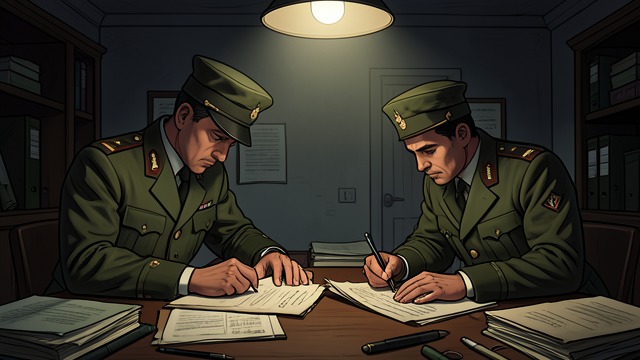
March and Halder search ministry records for a clue connecting the three officials. They find that the minutes of a 1942 interagency meeting were recently removed at Heydrich’s request.
The Missing Invitation
An earlier invitation survives in the files. It names the Wannsee meeting and states its purpose: coordination of a complete solution to the Jewish question in Europe.
A Stolen Testimony
A Stolen Testimony
The Case’s Contents
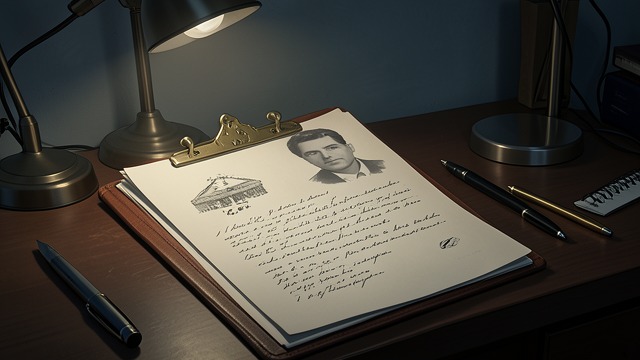
Luther’s recovered doctor’s case contains an affidavit by Stuckart describing Heydrich’s account of Hitler’s verbal order. It records how senior officials discussed the program without a signed directive.
A Dangerous Archive
The case also holds minutes, correspondence, camp material, and other records. The papers establish not just a crime but a documentary trail linking policy-makers to its execution.
Numbers and Timetables
Numbers and Timetables
The Transport System
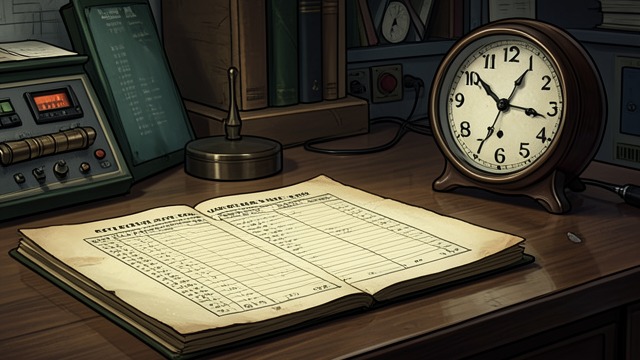
Railway schedules show deportation trains moving people toward killing centers with grim regularity. March calculates the scale suggested by the frequency and capacity of the transports.
The Machinery of Denial
Technical documents on gas chambers and crematoria expose how administrative language and logistics concealed mass murder. The evidence gives the crime measurable dimensions.
Evidence for the World

Evidence for the World
From Suspicion to Proof
The papers supply names, dates, orders, quantities, routes, and eyewitness descriptions. March’s private doubts become a body of evidence capable of being challenged publicly.
A Race Against Erasure
The regime has spent decades shaping history and eliminating witnesses. The documents matter because they can contest that control, if they reach people beyond its reach.
Winter 1963
Friday evening, April 17
Early Saturday, April 18
Saturday afternoon, April 18
Sunday, April 19
