
A Marriage Left Behind
FatherlandThis flow traces March and Klara’s failed marriage and the lingering consequences of their different needs and political choices.
increasing Bearing strength in each event
 decreasing
Bearing strength in each eventdecreasingA Nurse and a Submariner
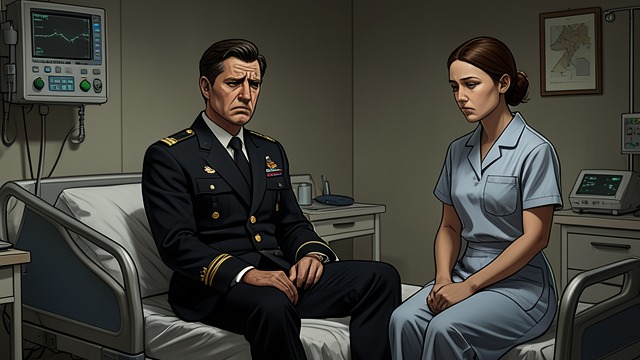
A Nurse and a Submariner
A Meeting in Recovery
March meets Klara while convalescing after his naval service. They marry and begin a life shaped by his return from years of danger and isolation.
Different Needs
Klara wants home, family, and social acceptance, while March remains psychologically watchful and detached. Their differences precede the eventual divorce.
A Son and a Transfer
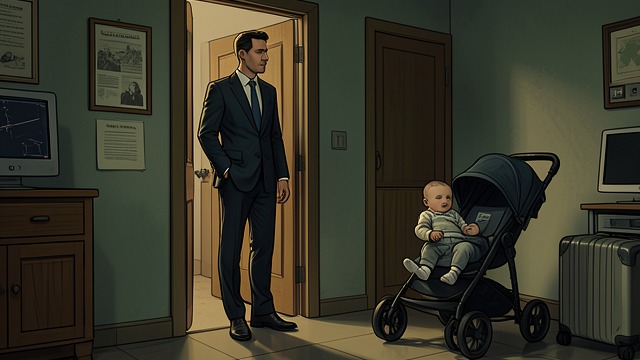
A Son and a Transfer
A New Family
Pili is born as March’s career brings him to Berlin. The move and March’s demanding work begin to separate him from domestic life.
A Familiar Absence
March describes himself as present but emotionally submerged, still living like a submariner beneath ordinary life. The family’s later distance grows from this pattern.
A Divorced Routine
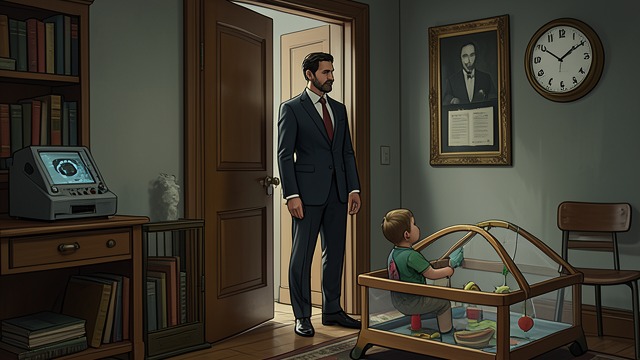
A Divorced Routine
Managed Contact
After the divorce, March sees Pili according to a cautious schedule and avoids meeting Klara directly. The routine protects them from conflict but also reduces intimacy.
A Life Narrowed
March returns to work rather than building another family life. Klara moves toward the social conformity he finds difficult to share.
The New Household
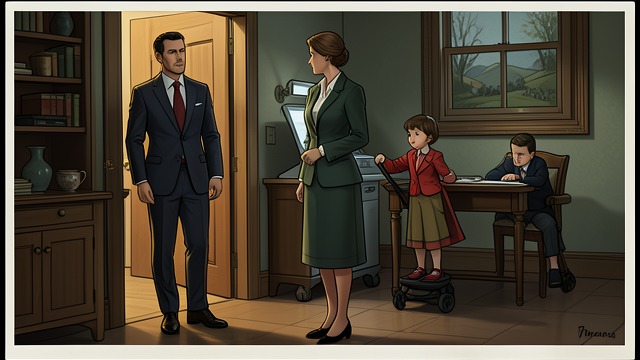
The New Household
A New Partner
Klara is seeing Erich Helfferich, a Party bureaucrat who presents himself to Pili as a trusted adult. His political certainty offers the boy a model that March has not provided.
A Rival Definition of Fatherhood
March resents Helfferich’s influence, yet understands that his own absence has created the opening. The conflict is emotional before it becomes political.
A Letter After Arrest
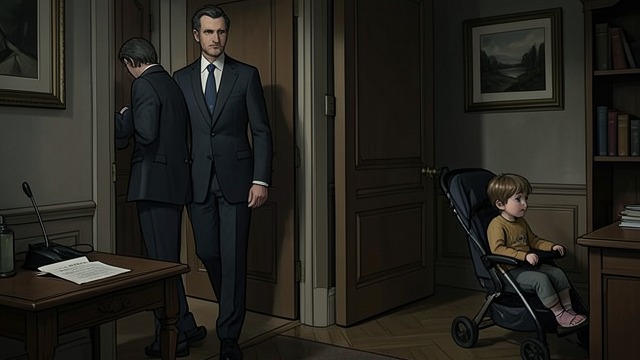
A Letter After Arrest
Contact Withdrawn
March finds Klara’s letter saying he should no longer see Pili because the visits upset the boy. She has returned to her maiden name and threatens a formal legal statement.
A Relationship at Risk
The letter arrives as March faces political persecution. His private losses intensify the cost of his public choices, even though he cannot blame Pili for the state’s pressure.
After March’s illness, late 1940s
1954
By 1959
By April 1964
Thursday, April 16
