
An Ordinary Man’s Compromises
FatherlandThis flow follows the novel’s portrayal of ordinary participation, showing how convenience and fear help authoritarian power endure.
increasing Bearing strength in each event
 decreasing
Bearing strength in each eventdecreasingA Rota and a Favor
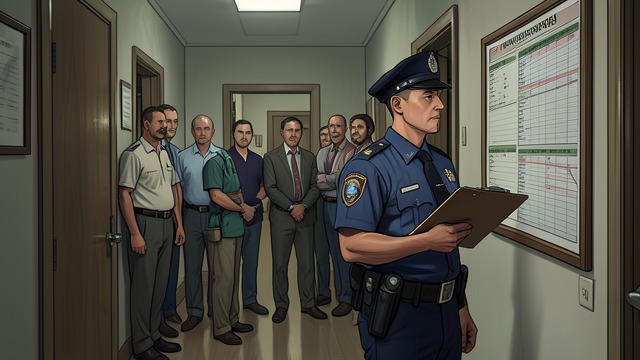
A Rota and a Favor
Routine Administration
A duty officer assigns March to the body case after the schedule is confused. Small procedural decisions shape who reaches the scene and when.
Opportunity in the Ordinary
The case begins through ordinary police routines, not a dramatic act of resistance. The novel makes bureaucracy a daily environment in which consequential choices occur.
A Party Membership

A Party Membership
Advancement Through Conformity
Jaeger joins the Party because membership improves his chances of promotion. The decision is presented as pragmatic and socially ordinary.
The Accumulation of Compromise
That earlier accommodation makes it easier for Jaeger to accept pressure from Globocnik. A single career decision does not dictate betrayal, but helps establish its conditions.
The Maid and the Noticeboard
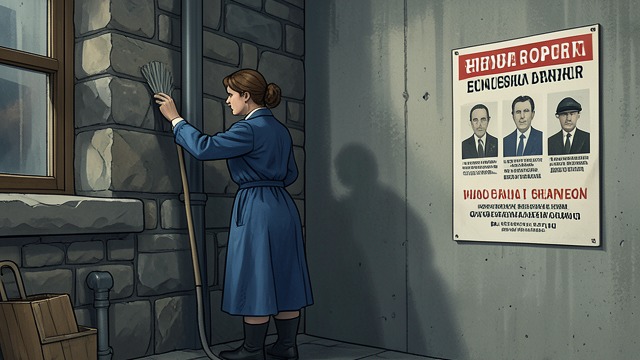
The Maid and the Noticeboard
Foreign Labor in the City
A Polish cleaning woman works quietly in the Kripo building while notices urge Germans to report suspicious behavior. The institution depends on the people it treats as outsiders.
A Social Hierarchy
March passes without speaking to her, then hears her singing when he is alone. The brief encounter makes visible a larger system of occupation and coerced labor.
The Border Guards’ Choice
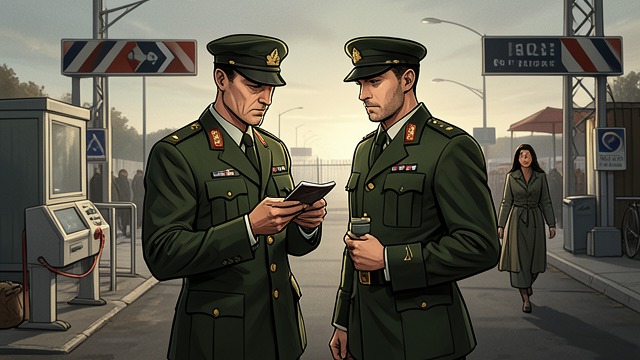
The Border Guards’ Choice
A Casual Waiver
The guards let Charlotte pass because she does not match the alert and appears to be an ordinary traveler. Their decision is small but decisive.
Rules Applied Selectively
The moment reveals that authoritarian control is not mechanically complete. The system depends on human judgment, habit, and assumptions that can occasionally create an opening.
The Question of Responsibility
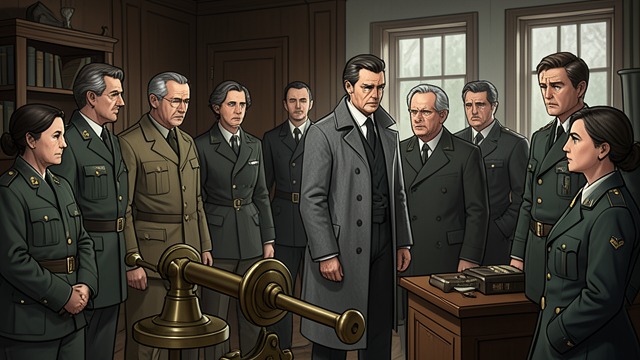
The Question of Responsibility
Many Levels of Participation
Party officials, police officers, clerks, guards, and family members all influence what happens. Their roles differ, but each helps determine whether violence is concealed or challenged.
Choice Under Pressure
The novel distinguishes fear from innocence without pretending that everyone can act heroically. It asks what responsibility remains when a person sees enough to know that something is wrong.
Tuesday morning, April 14
Before April 1964
Wednesday, April 15
Führertag morning, April 20
Near the ending, April 20
