
The Devil’s Test of Faust
FaustThe wager between the divine order and Mephistopheles frames Faust’s striving as a contest over whether error can extinguish his capacity for moral direction.
increasing Bearing strength in each event
 decreasing
Bearing strength in each eventdecreasingThe Complaint Against Humanity
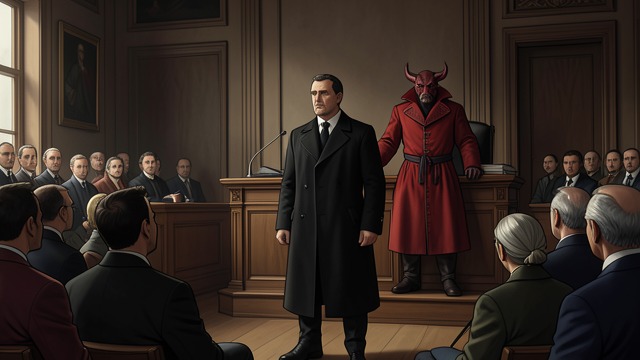
A Challenge from the Devil
Mephistopheles’s judgment
Before The Lord, Mephistopheles mocks humanity as irrational and miserable, treating Faust as an especially telling example of restless dissatisfaction.
He argues that Faust’s appetite for the highest things makes him vulnerable to temptation rather than admirable.
The wager begins
The Lord permits Mephistopheles to test Faust, while asserting that a good person can retain an instinct for the right path amid confusion.
Permission to Tempt
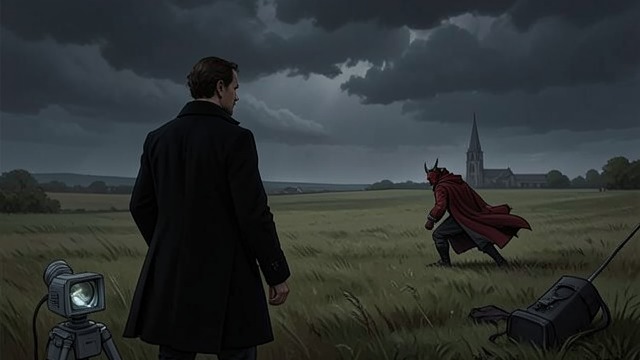
Error Under Permission
A bounded contest
The Lord does not forbid Mephistopheles from leading Faust astray during his earthly life. The wager makes temptation a test of direction, not a simple contest of force.
Faust’s persistent striving is treated as a source both of error and possible renewal.
Mephistopheles accepts
Mephistopheles expects to win, imagining that Faust can be reduced to appetite and exhausted by disappointment.
The wager therefore gives the Devil freedom to tempt, but not certainty that Faust’s striving will end in spiritual defeat.
The Earthly Contract
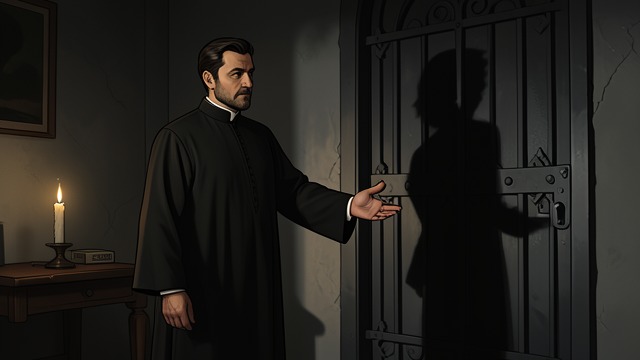
The Test Becomes Personal
Faust’s demand
Mephistopheles offers service in this world in exchange for service in the next. Faust agrees to test every height and depth of human experience.
He does not want comfort alone; he seeks the whole range of pleasure, pain, success, and sorrow.
A dangerous condition
Faust names the condition that would surrender him: if he ever asks a beautiful moment to remain, he will be lost.
His confidence turns the heavenly wager into a personal gamble whose terms depend on his own future response.
The Human Cost
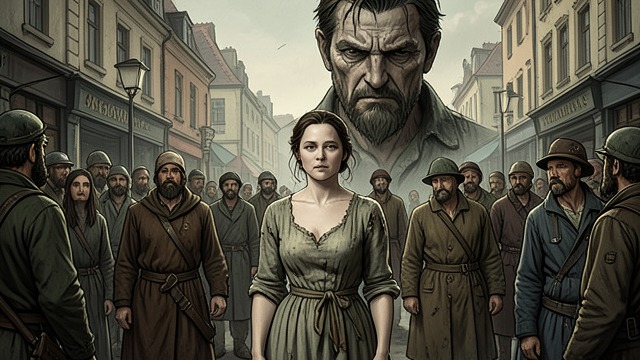
Consequences of the Test
The wager gains victims
Faust’s pursuit of experience entangles Margaret, whose mother dies after the potion Faust supplies and whose child later dies at her hands.
The consequences reveal that the wager’s stakes extend beyond Faust’s private spiritual condition.
Blame and responsibility
Faust turns on Mephistopheles for concealing Margaret’s imprisonment, but Mephistopheles insists that Faust himself helped bring about the disaster.
The accusation exposes the moral evasion built into Faust’s reliance on a Devil’s service.
The Wager Unresolved
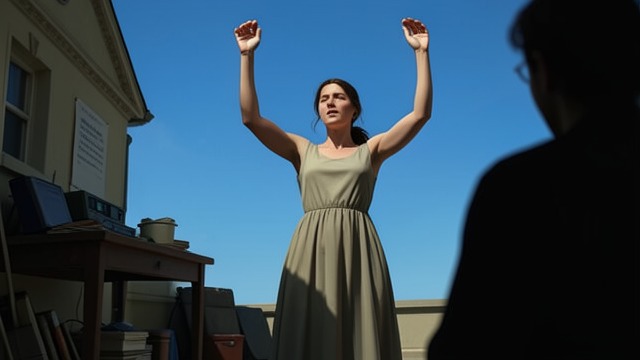
A Verdict Beyond the Devil
Refusal to escape
Mephistopheles declares Margaret judged, but a voice from above declares her saved. Her decision to entrust herself to God defeats the Devil’s claim over her.
Faust, by contrast, is carried away with Mephistopheles, and his own wager remains unsettled.
A continuing struggle
The ending does not show Faust’s final destiny. It leaves the wager active, with striving, responsibility, and salvation still in tension.
The heavenly prologue
At the close of the heavenly prologue
Later that night in Faust’s study
After Margaret’s downfall becomes known
At the end of Part One, in the dungeon
