
Margaret’s Songs of Longing and Grief
FaustMargaret’s songs mark the inward course of desire, loss, and spiritual distress as her private feelings become inseparable from public catastrophe.
increasing Bearing strength in each event
 decreasing
Bearing strength in each eventdecreasingThe King of Thule

A Song of Fidelity
A treasured cup
Margaret sings of a king who keeps the golden goblet given by his dying beloved and drinks from it throughout his life.
The song imagines love as a lasting bond honored even at death.
A troubling counterpoint
The king throws the goblet into the sea before he dies, making renunciation part of fidelity.
The song quietly contrasts with the deceptive gifts entering Margaret’s own life.
The Spinning Song
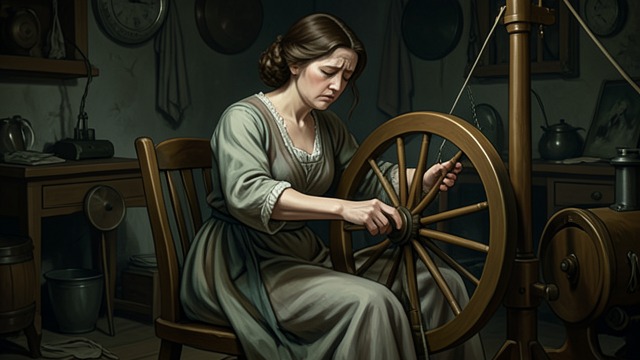
The Lost Peace
Repetition of grief
At the spinning wheel, Margaret repeats that her peace is gone and that her heart will never be whole again.
The turning wheel gives her longing a physical rhythm that cannot bring the absent lover back.
Desire consumes the day
She recalls Faust’s manner, voice, and kiss, showing how completely memory has taken over her attention.
The song makes private desire audible as a form of confinement.
The Fountain Gossip
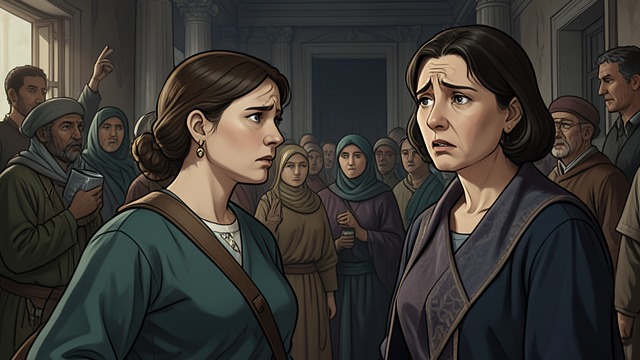
A Mirror in Another Woman
Judgment in public speech
Lisbeth recounts Barbara’s pregnancy and abandonment as an occasion for ridicule and social punishment.
Margaret initially responds with pity rather than joining in the condemnation.
Self-recognition
Alone afterward, Margaret remembers that she once harshly judged women in similar circumstances.
The moment transforms gossip into a painful recognition of her own vulnerability.
The Mater Dolorosa Prayer

A Prayer in the Shrine
Seeking a witness
Margaret prays before the image of the sorrowing Virgin, asking that her pain be seen and understood.
Her prayer joins personal fear to the image of a mother enduring grief.
Suffering without language
She describes sleeplessness, tears, and an aching heart that she cannot explain to anyone else.
The scene gives her inward distress a sacred form even as guilt and danger close around her.
The Prison Song
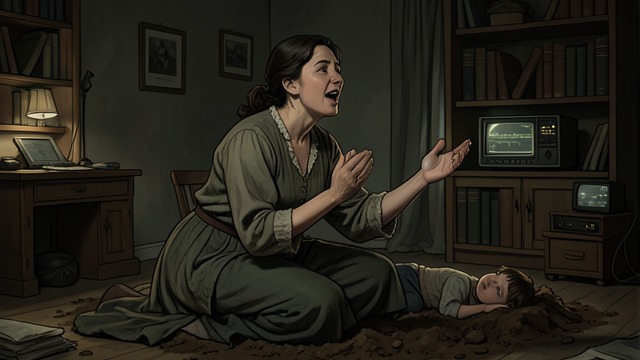
Madness and Memory
A child’s haunting rhyme
Margaret sings a grim song about a mother who kills her child and a body hidden in the earth.
The nursery-like rhythm makes horror sound both intimate and inescapable.
A broken mind
Her song foreshadows and reflects her own crime, while the dungeon scene reveals her disordered grasp of time and responsibility.
It presents madness as suffering, not as a simple escape from judgment.
The evening she discovers the first jewels
After Margaret becomes separated from Faust
After Margaret learns of Barbara’s pregnancy
After Valentine’s death
Near dawn in the dungeon
