
Mephistopheles’s Comic Mask
FaustMephistopheles uses wit, disguise, and theatrical performance to make temptation attractive while exposing the instability of human judgment.
increasing Bearing strength in each event
 decreasing
Bearing strength in each eventdecreasingThe Devil in Heaven
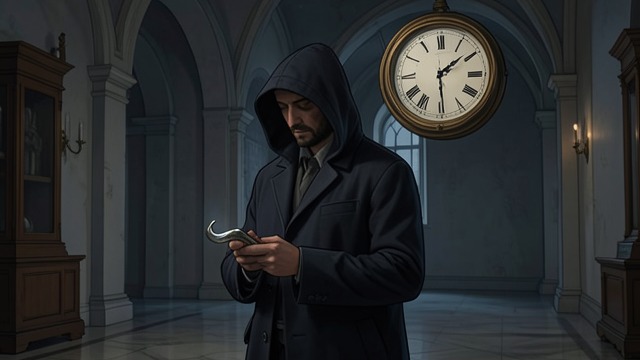
Humor as Defiance
A comic manner
Mephistopheles addresses The Lord with irreverent wit, claiming that human misery is all he has noticed amid the grand celestial order.
His humor lowers the tone of a solemn setting without removing its theological stakes.
A strategy of dismissal
By making human aspiration ridiculous, he prepares to treat Faust’s desires as weaknesses to exploit.
Comedy becomes both a weapon and a mask for the seriousness of his purpose.
The Poodle Disguise
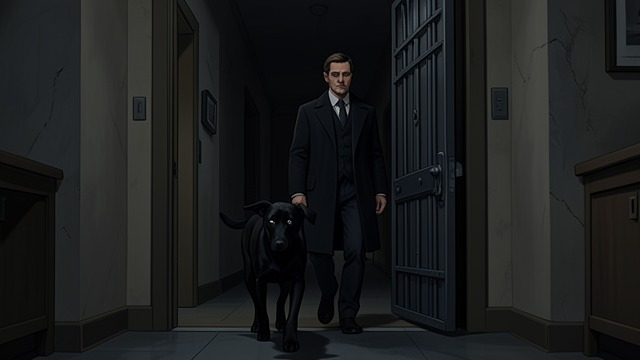
An Ordinary Shape
A dog in the study
The black poodle follows Faust home, seeming to Wagner like an ordinary animal and to Faust like an uncanny presence.
Its ambiguity lets Mephistopheles approach under a harmless appearance.
The disguise breaks
Faust’s magical reading drives the poodle to expand and reveal the traveling scholar within.
The comic transformation dramatizes how ordinary perception can conceal extraordinary forces.
The Scholar’s Costume
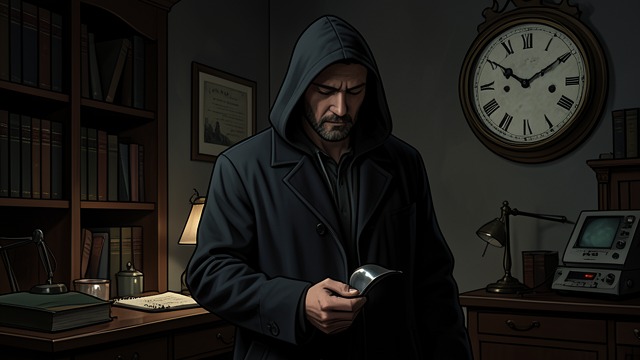
Authority Borrowed
A disguise with authority
Mephistopheles wears Faust’s cap and mantle and assumes the role of learned adviser to a visiting student.
The costume lets him borrow the prestige of the scholar he is trying to divert.
Satire through advice
His guidance ridicules rigid academic methods while steering the student toward empty verbal confidence.
The performance makes deception look like education.
The Witch’s Recognition
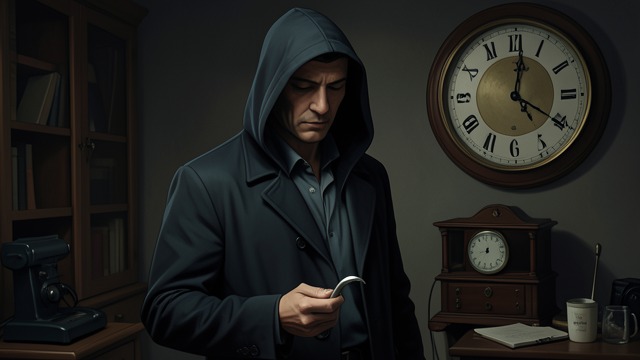
A Devil Made Modern
Old imagery questioned
The Witch initially struggles to recognize Mephistopheles without the traditional horns, tail, and unmistakable devil’s foot.
He explains that modern culture has made him adapt his appearance.
Identity as performance
Mephistopheles presents himself as a gentleman and jokes about false calves.
His changing costume suggests that evil can remain active even when it no longer matches inherited images.
The Last Verdict
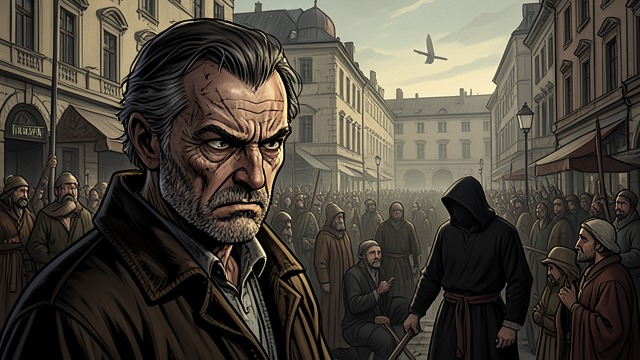
A Mask That Cannot Decide
A confident declaration
Mephistopheles tells Faust that Margaret is judged and urges him to leave.
His statement treats the final moral outcome as if it were already settled in his favor.
Authority overturned
A voice from above declares Margaret saved, exposing the limits of the Devil’s claim.
His wit and disguises have shaped events, but they cannot control the last judgment.
During the heavenly prologue
After Faust and Wagner return from the Easter walk
During the student’s visit to Faust’s study
When The Witch arrives at her kitchen
At the close of the dungeon scene
