
Theatrical Revelry at Walpurgis Night
FaustThe Brocken’s procession and the dream intermezzo turn supernatural revel into comic pageantry, briefly placing Faust’s private crisis inside a wider theatrical world.
increasing Bearing strength in each event
 decreasing
Bearing strength in each eventdecreasingThe Procession Begins
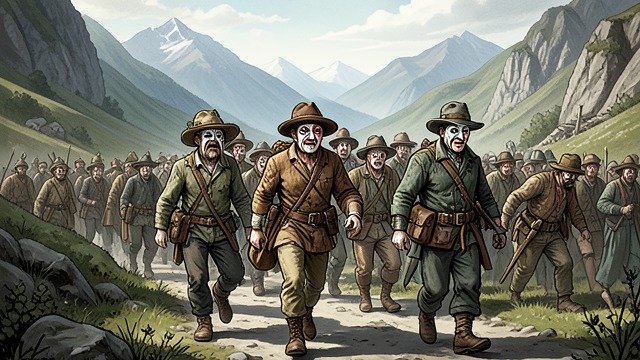
A Mountain in Motion
Figures on every path
Witches and wizards move toward the Brocken, singing about the difficult route and the crowd gathering at the summit.
Their choral voices make the journey feel like a public festival rather than a private adventure.
A world of comic bodies
Brooms, goats, and grotesque images overturn ordinary respectability.
The mountain welcomes a disorder that makes social rules appear temporarily theatrical.
The Crowd’s Chorus
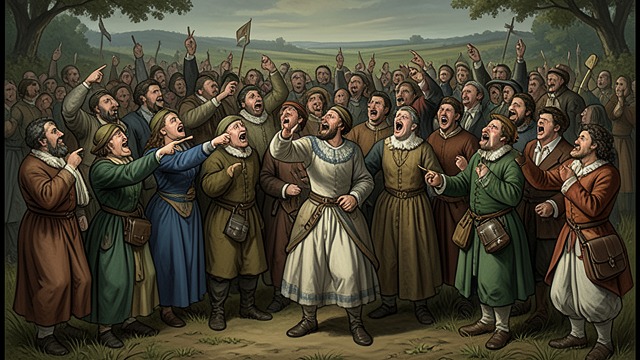
A Festival of Voices
Many social types
Generals, ministers, writers, skeptics, and other figures comment on age, politics, art, and belief.
The crowd becomes a moving satire of public opinion rather than a single unified community.
Disagreement as spectacle
Each voice interprets the revel from its own bias, exposing the instability of claims to authority.
The scene makes the mountain a theatre in which social judgments perform themselves.
The Snail’s Recognition
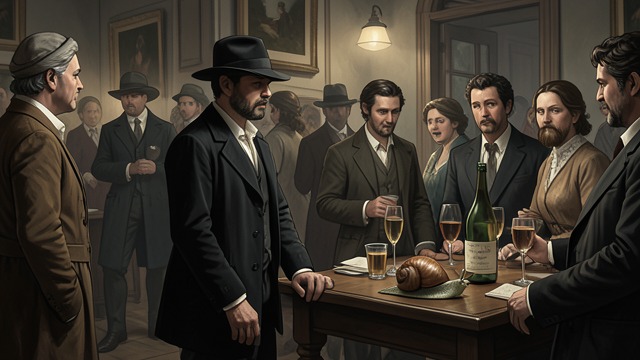
A Disguise Abandoned
The Devil is detected
Mephistopheles notes that a snail seems to have scented him, making disguise pointless among the revelers.
He accepts his public identity as a familiar presence in this setting.
A changed social role
His confidence among the witches contrasts with the constrained, servant-like role he plays in Faust’s study.
The scene shows how performance depends on the audience and place.
The Dance Interlude
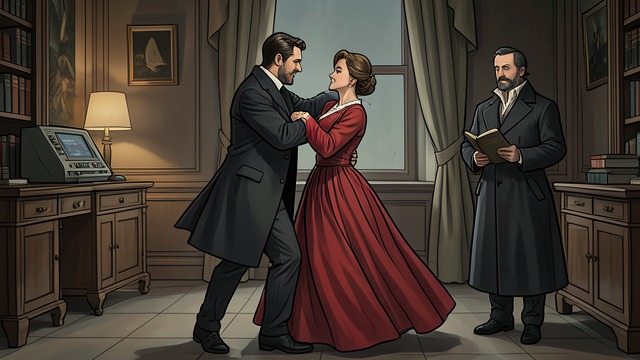
Courtship as Masquerade
A new partner
Faust dances with a young witch and speaks in a playful exchange about an apple tree and desire.
The flirtation recasts temptation as light, reciprocal game.
A comic critic
Proktophantasmist interrupts the dance with a lecture about spirits and ghosts, only to be mocked by the dancers.
The interlude turns intellectual authority into another costume within the revel.
The Dream Wedding
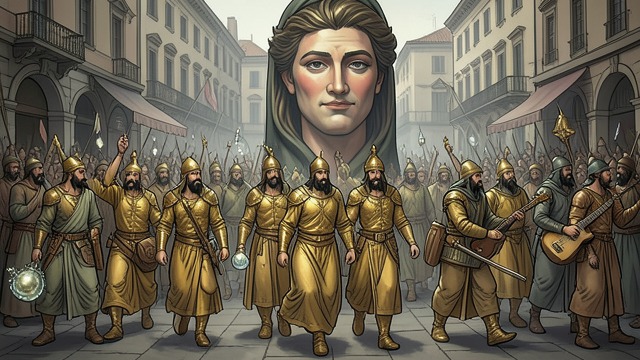
Oberon and Titania’s Golden Wedding
A miniature pageant
The dream intermezzo presents Oberon and Titania’s golden wedding through a sequence of comic speakers, musicians, and spirits.
The procession shifts attention from Faust’s story to a self-contained theatrical celebration.
Performance within performance
Its parade of styles and characters echoes the play’s larger debate about artistic form and popular entertainment.
The dream offers spectacle without resolving the human crisis waiting beyond it.
On the ascent during Walpurgis Night
As Faust and Mephistopheles approach the summit
After Mephistopheles reaches the gathering
During Faust’s dance at the summit
During the intermezzo after the Brocken dance
