
The Meaning of the Ending
FaustThe final prison scene separates physical escape from spiritual deliverance, leaving Faust’s future open and giving Margaret an unexpected measure of agency.
increasing Bearing strength in each event
 decreasing
Bearing strength in each eventdecreasingThe Key and the Lamp
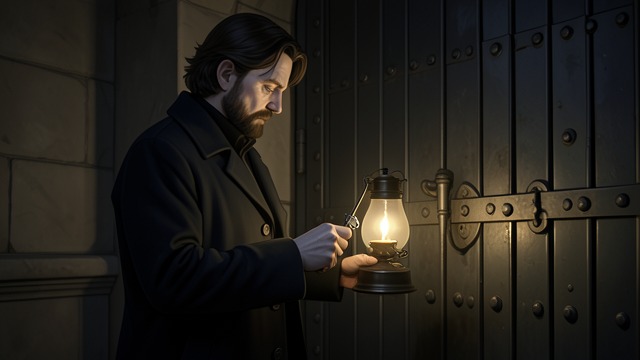
Faust Approaches the Cell
A moment of hesitation
Faust stands with keys and a lamp before the iron door, overwhelmed by the suffering he is about to face.
His reluctance shows that rescue requires him to confront rather than evade the consequences.
Entry into reality
He unlocks the cell and hears Margaret sing before he sees her.
The prison transforms his abstract urgency into an encounter with a person whose experience he cannot control.
The Lover Recognized

A Brief Return of Love
Recognition restored
Margaret hears Faust’s voice and recognizes her lover, briefly imagining that the garden and their earlier happiness have returned.
Her response reveals the enduring emotional power of their bond.
The present persists
Faust urges her to leave, but Margaret’s memories and confusion interrupt the practical escape.
Love offers comfort for a moment without undoing the prison or its history.
The Graves Remembered

The Dead in Her Plan
Margaret names her losses
She tells Faust where to bury her mother, brother, and child, arranging the graves as if death is already the only possible future.
The list makes the family tragedy impossible to ignore.
Escape versus mourning
Faust insists on freedom, but Margaret’s attention remains fixed on the dead and on the consequences she must face.
Their conflicting priorities reveal how far apart their experiences have become.
Margaret’s Refusal
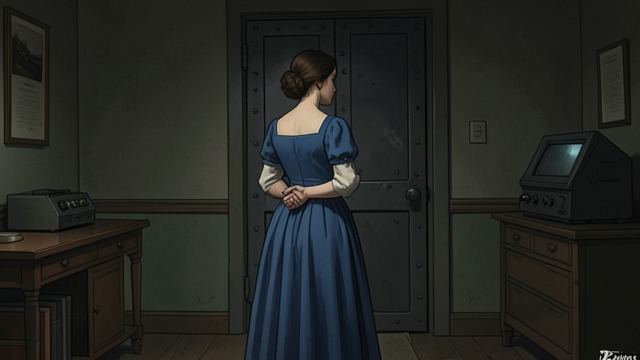
The Door Is Not Enough
Fear of life outside
Margaret fears that escape will leave her homeless, pursued, and unable to live with her conscience.
The open door cannot restore the social world she has lost.
A decision of her own
She refuses to be forced out, even when Faust insists that she can go.
Her refusal gives her agency within a situation shaped by other people’s choices.
The Heavenly Voice
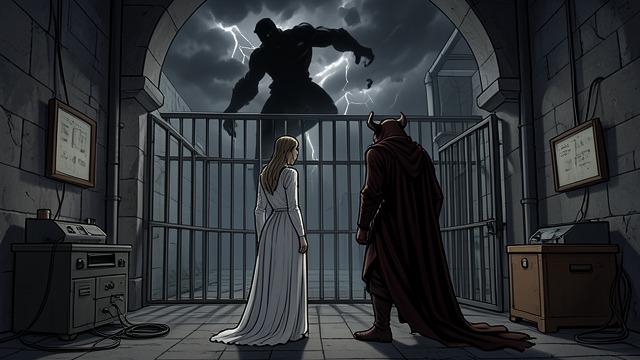
Two Verdicts
Mephistopheles claims judgment
Mephistopheles declares Margaret judged and tries to hurry Faust away before morning.
His authority appears to make the prison scene another victory for the Devil.
Salvation declared
A voice from above says Margaret is saved, and she entrusts herself to God.
Faust departs with Mephistopheles, leaving his own wager unresolved while Margaret receives the play’s final spiritual answer.
Near dawn before the prison door
Immediately after Faust enters the cell
During their conversation in the dungeon
As morning approaches
At the final instant of the play
