
Mephistopheles’s Strategy
FaustMephistopheles moves from the heavenly wager to intimate service, repeatedly turning Faust’s dissatisfaction into temptation and evasion.
increasing Bearing strength in each event
 decreasing
Bearing strength in each eventdecreasingThe Mocking Complaint
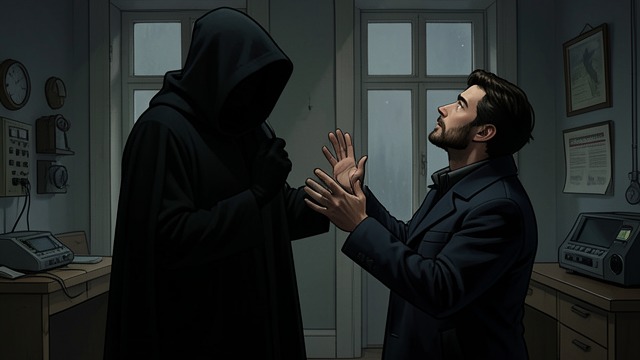
The Devil Observes Humanity
A comic indictment
Mephistopheles describes humanity as foolish and miserable, presenting Faust’s dissatisfaction as a symptom of the species rather than an exceptional virtue.
His jokes conceal a serious confidence that human aspiration can be diverted into destructive appetite.
The opportunity
When The Lord names Faust, Mephistopheles sees a contest worth undertaking and asks leave to tempt him.
Leave to Tempt

Permission and Confidence
The terms from above
The Lord allows Mephistopheles to influence Faust during his earthly life, while maintaining that the striving person can still find a right direction.
The permission sets limits: Mephistopheles may tempt, but Faust’s final meaning is not settled in advance.
A confident adversary
Mephistopheles accepts the chance and predicts that Faust will become easy prey.
His confidence is repeatedly challenged by a human will that does not remain satisfied for long.
The Captive Visitor
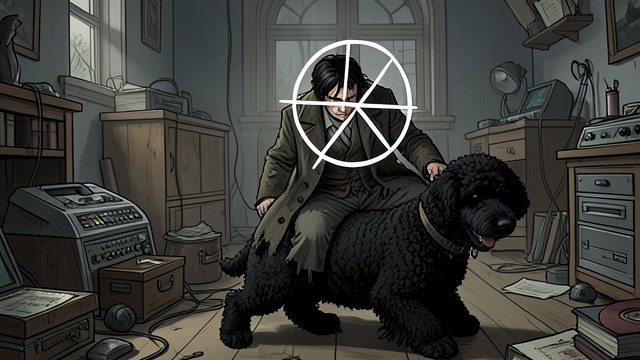
A Devil Turned Guest
The disguise falls
Mephistopheles emerges from the poodle and explains himself as a force that wills evil yet may produce good.
The definition captures the contradiction of his role: destructive intent does not guarantee control over every result.
The pentagram’s obstacle
Faust discovers that Mephistopheles cannot readily leave because of the Pentagram.
The apparent trap briefly reverses their power relationship, although Mephistopheles finds a way to return.
The Servant’s Performance

Guidance Through Distraction
A role adopted
Mephistopheles presents himself as servant and guide, arranging travel, spectacle, and magic for Faust.
His performances make the bargain feel like liberation while keeping Faust’s attention fixed on immediate sensation.
Desire as leverage
When Faust sees Margaret, Mephistopheles engineers gifts and opportunities rather than confronting the moral danger of the pursuit.
His service is most effective when it appears to satisfy what Faust already wants.
The Limits of Control
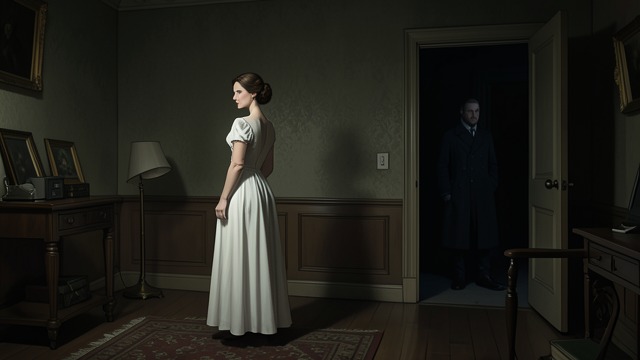
Service Cannot Undo Harm
The accusation
Faust blames Mephistopheles for hiding Margaret’s imprisonment and demands that she be freed.
Mephistopheles answers that Faust himself helped cause the disaster and denies having unlimited power.
A separate verdict
Mephistopheles calls Margaret judged, but a voice from above calls her saved.
He can carry Faust away, yet cannot dictate Margaret’s final spiritual fate.
The heavenly prologue
At the close of the heavenly prologue
After the poodle enters Faust’s study
After Faust signs the pact
At the final rescue attempt
