
The Risk of Interstate War
Federalist PapersThis thread traces the essays’ progression from predicted interstate quarrels to the claim that constitutional union can prevent their escalation.
increasing Bearing strength in each event
 decreasing
Bearing strength in each eventdecreasingHuman Motives

Human Motives
Rival ambitions
Hamilton rejects the hope that commercial republics will naturally remain peaceful. Political leaders, popular assemblies, and private interests can turn resentment, ambition, or trade rivalry into conflict.
History as warning
Examples from ancient republics and European states challenge the idea of an automatic commercial peace. The essay treats human motives, not regime labels, as the starting point for political prediction.
Territorial Claims

Territorial Claims
Unsettled boundaries
Hamilton points to competing claims over western lands and disputes such as the Wyoming controversy. The Union provides procedures for settling claims that separate sovereigns might otherwise contest directly.
No common judge
Disunion would revive arguments over shared territory and eliminate an accepted arbiter. The possibility of force grows where neither party trusts a binding settlement.
Commercial Retaliation
Commercial Retaliation
Unequal access
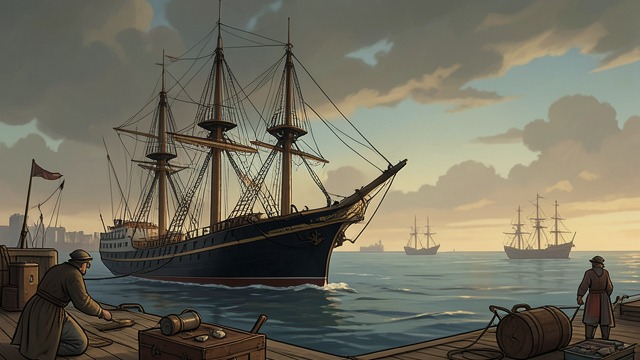
Hamilton considers how a State controlling a port or market could burden neighboring States through duties and exclusions. These measures might be lawful for independent governments yet experienced as injuries by their neighbors.
From grievance to war
Commercial rules invite evasion, enforcement, reprisals, and escalating disputes. The essay argues that common regulation can prevent local revenue strategies from becoming interstate confrontations.
Debt and Contract Grievances
Debt and Contract Grievances
Shared obligations contested
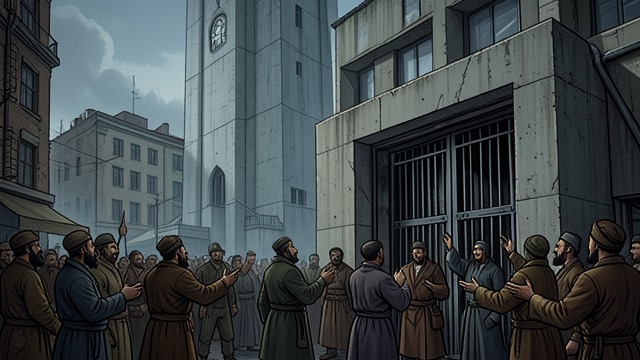
Hamilton predicts disagreement over apportioning and paying the public debt. States with different numbers of creditors or different views of repayment would dispute the distribution of burdens.
Private rights at risk
Laws impairing contracts could anger citizens across State lines and provoke retaliation. The essay connects financial policy to both personal security and the broader peace of the Union.
War's Domestic Price
War's Domestic Price
Exposed borders
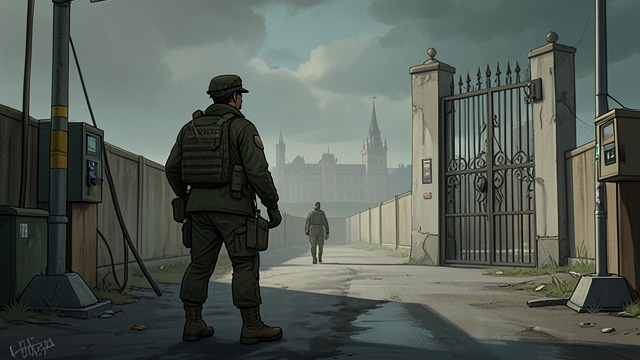
Hamilton imagines a newly divided country without the fortifications and established military systems of Europe. A stronger neighbor could overrun a less populous State, making conflict immediate and destructive.
Freedom under pressure
Persistent insecurity would encourage standing armies and stronger executives. The effort to become safer could gradually expose republican liberty to military control.
Federalist No. 6, November 14, 1787
Federalist No. 7, November 15, 1787
Federalist No. 7, November 15, 1787
Federalist No. 7, November 15, 1787
Federalist No. 8, November 20, 1787
