
Creditors, Debtors, and Public Obligations
Federalist PapersThis thread traces the essays’ account of how debt, contracts, and fluctuating laws shape trust between citizens and governments.
increasing Bearing strength in each event
 decreasing
Bearing strength in each eventdecreasingDebt and Distrust

Debt and Distrust
Public obligations at issue
Publius identifies property, office, and local interests as forces that can distort constitutional judgment. The debate begins in a society already anxious about government’s treatment of private and public commitments.
A question of confidence
The essays frame adoption partly as a choice about whether public obligations can be made dependable. Political trust is tied to citizens’ expectations that rules will not shift arbitrarily.
Private Contracts Under Pressure
Private Contracts Under Pressure
Conflicting interests
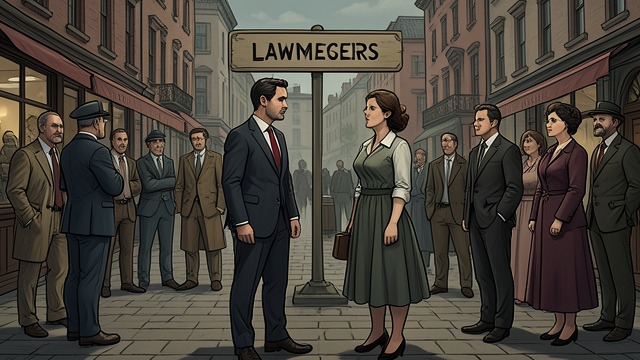
Hamilton predicts that States may pass laws affecting contracts and that neighboring citizens could regard the results as injuries. Madison describes creditors and debtors as durable groups with opposing interests.
Justice between parties
The essays ask how legislation can remain fair when lawmakers may themselves belong to the interests they regulate. A dependable legal framework is presented as a protection against factional advantage.
Paper Money's Aftermath

Paper Money's Aftermath
Confidence damaged
Madison argues that paper money and changes in currency value weaken trust among individuals and in public councils. Retrospective changes can shift burdens and kindle disputes across State lines.
Constitutional restraint
The proposed prohibitions on State credit bills and nonmetal legal tender are defended as protections for justice and stability. The essay links monetary uniformity to the preservation of ordinary confidence.
Stable Laws and Ordinary Life

Stable Laws and Ordinary Life
Mutability's cost
Madison describes how frequent legal changes make rules difficult to know and undermine confidence in commerce, farming, and investment. Citizens who cannot predict the law may hesitate to undertake useful projects.
Continuity as protection
A more stable legislative process can protect ordinary people from those who profit by tracking every change. The Senate’s continuity is presented as one answer to political volatility.
Obligations Survive Change

Obligations Survive Change
Debts remain binding
Madison argues that public debts and engagements made before adoption remain valid under the new Constitution. A change in political form does not erase moral and legal obligations.
Credit and legitimacy
The provision reassures creditors and foreign observers that the new government will inherit commitments rather than evade them. Continuity of obligation becomes a foundation for national credibility.
Federalist No. 1, October 27, 1787
Federalist Nos. 7 and 10, November 15–22, 1787
Federalist No. 44, January 25, 1788
Federalist No. 62, February 27, 1788
Federalist No. 43, January 23, 1788
