
The Household’s Hidden Hierarchy
Felix AustriaThis flow traces the unequal structure of the Anger-Skolyk household and the moments when Stefania’s labor becomes visible or contested.
increasing Bearing strength in each event
 decreasing
Bearing strength in each eventdecreasingThe Orphan Taken In
Shelter and Dependence
A child without parents
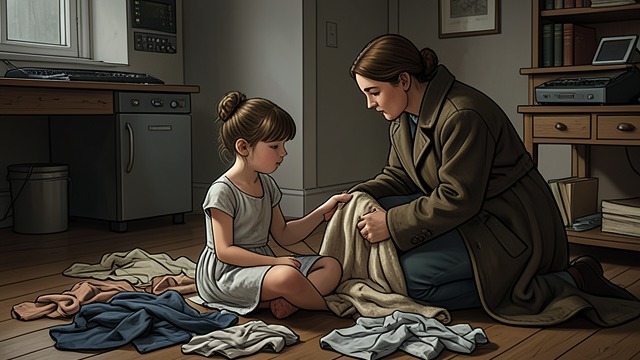
After the fire, Stefania is brought into Docteur Anger’s home alongside Adèle. She receives food, schooling, and protection, but grows up without knowledge of her own parents.
Gratitude becomes obligation
Stefania understands her place through what the household has given her. That gratitude later makes it difficult to recognize when care has turned into unpaid labor and dependency.
School and Unequal Status

A Shared Education
Admission together
Docteur Anger arranges for Stefania to attend school with Adèle. Stefania would rather remain near him, but the education gives her skills unusual for someone of her background.
Difference remains visible
Even when the girls share a school, Stefania knows she is not socially equal to Adèle. The later domestic hierarchy is already present beneath their apparent companionship.
The House Runs on Stefania
Invisible Labor
Endless duties
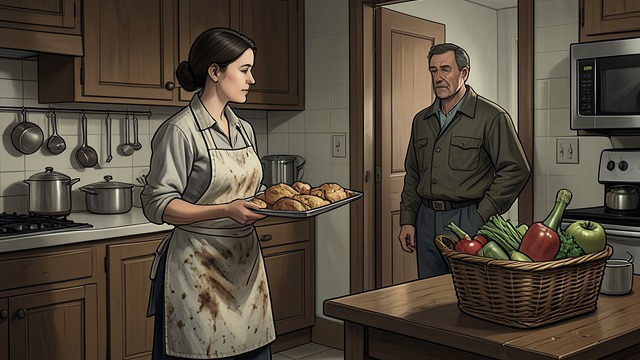
Stefania cooks, cleans, shops, tends Adèle, and brings meals to Petro at his work sites. The household’s comfort depends on labor that its members often treat as natural.
Resentment accumulates
Petro’s teasing and Adèle’s expectations make Stefania feel both indispensable and unseen. The contradiction fuels her anger without yet giving her a clear route out.
The Public Outburst

A Servant Speaks Before the Guests
The accusation
Stefania interrupts the celebration to accuse Adèle and Father Josef of adultery. Her announcement uses the public gathering to reverse the normal direction of speech between mistress and servant.
Consequences arrive
The guests’ shock makes Stefania’s words impossible to take back. Her testimony may be mistaken, but the act itself exposes how much she has stored in silence.
The Role Named Again
Servant, Sister, or Mother
Adèle asks what Stefania is
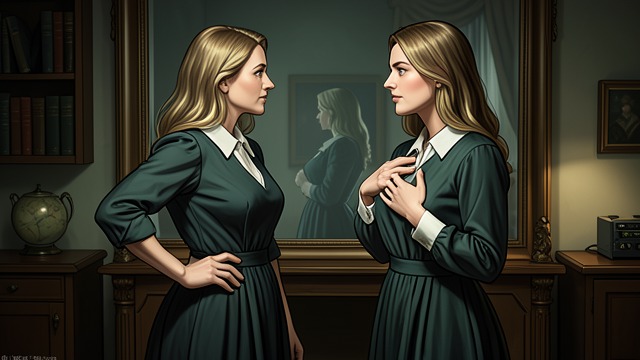
Adèle wonders why she hesitates before speaking and fears humiliating Stefania, then asks whether their bond is sisterly or maternal. Stefania chooses the label of servant.
Structure survives recognition
Naming the relationship does not resolve its inequalities. The admission makes the household’s roles visible while showing how difficult it is for either woman to imagine a different arrangement.
After September 28, 1868
During the girls’ school years
In the 1900 household
At Adèle’s birthday celebration
After the birthday conflict
