
Isobel's Passage Through Roles
Finnegans WakeThis flow traces Isobel as daughter, sister, pupil, beloved, and imagined woman, showing how her identity is repeatedly shaped by family and public fantasy.
increasing Bearing strength in each event
 decreasing
Bearing strength in each eventdecreasingThe Daughter in the House
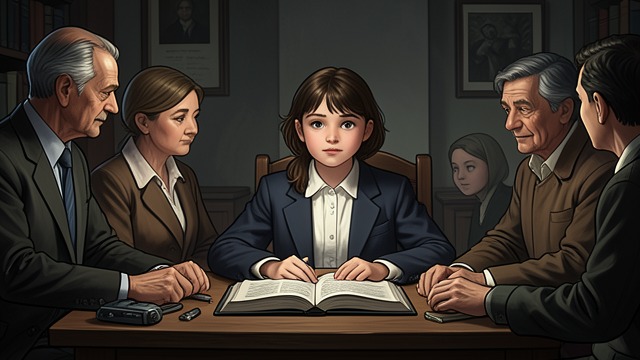
The Daughter in the House
A young figure among family
Isobel appears within the household as a daughter whose identity is described through beauty and kinship.
Childhood carries expectation
The family story already frames her future through other people's hopes and interpretations.
The Mirror and the Dream
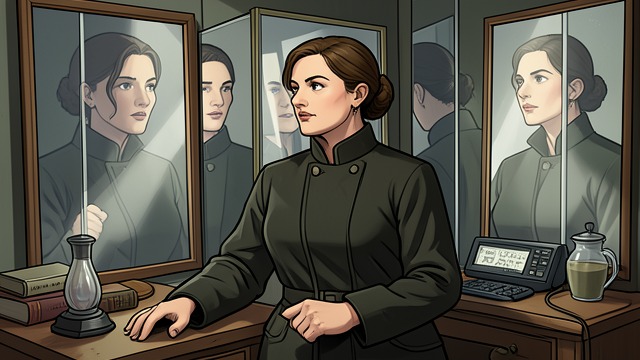
The Mirror and the Dream
Selfhood reflected outward
Isobel's image appears through reflections, admiration, and descriptions of her beauty.
A person becomes an image
The scene shows how the gaze of others can turn an individual into a shifting ideal.
The Pupil in the Chorus
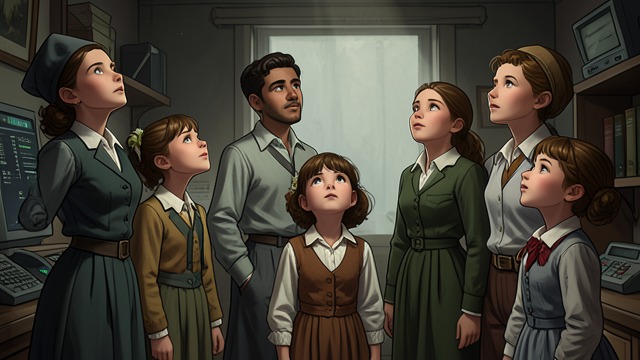
The Pupil in the Chorus
A young woman among peers
Isobel is associated with groups of girls whose shared voices and roles shape the scene.
Individuality meets collective identity
The chorus offers belonging but can also blur each girl's distinct story.
The Beloved in Farewell

The Beloved in Farewell
Affection meets absence
Isobel's connection to Jaun is expressed through a private exchange before he leaves.
Emotion gains a public shape
The farewell turns intimate affection into one more performance within the book's dreamlike theatre.
A Future Still Unwritten
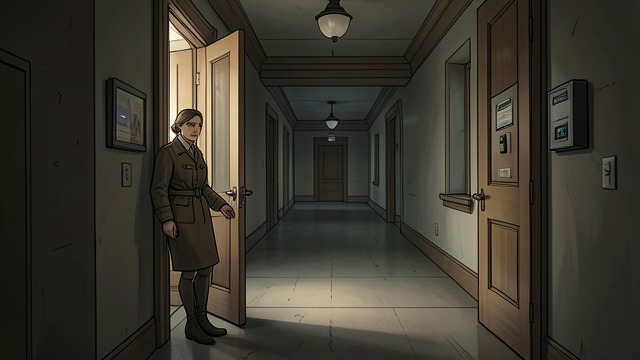
A Future Still Unwritten
No single ending
Isobel remains open to future identities as girl, woman, beloved, and remembered figure.
Life resists fixed roles
Her unfinished trajectory mirrors the book's refusal to settle its characters into one final form.
During the early household scenes
During the dreamlike portrait of the young women
During the school and Flora episodes
During Jaun's departure scene
Near the closing transitions of Jaun's episode
