
The City, Commerce, and Debt
Finnegans WakeThis flow traces the novel's recurring movement from urban trade and public wealth to debt, failure, and renewed claims on the community.
increasing Bearing strength in each event
 decreasing
Bearing strength in each eventdecreasingThe City as Marketplace
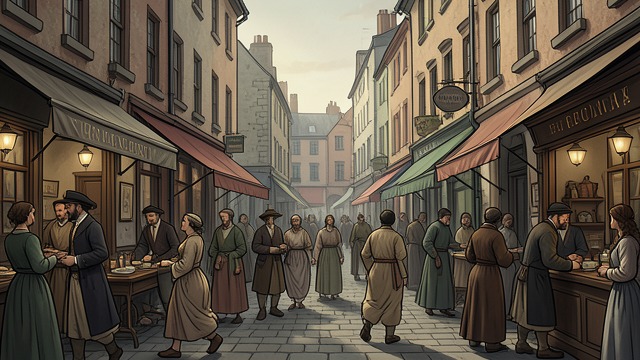
The City as Marketplace
Goods fill the narrative
Breweries, shops, taverns, and public streets shape the book's social geography.
Commerce becomes character
Economic life is not background: it defines how people meet, eat, work, and remember.
The Merchant Builds Wealth
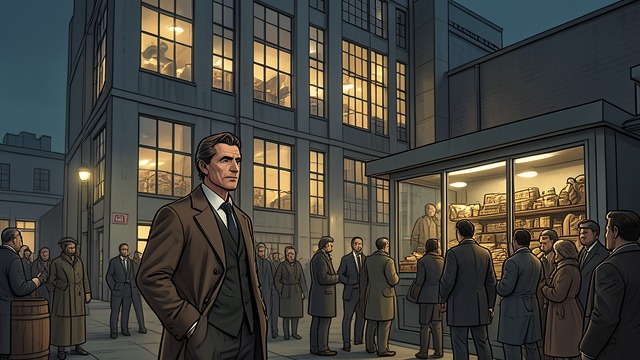
The Merchant Builds Wealth
Property accumulates
Earwicker's enterprises and assets make him a figure of economic and civic prominence.
Success carries exposure
The more visible his wealth becomes, the more vulnerable he is to public suspicion and claims.
Debt Reaches the Household
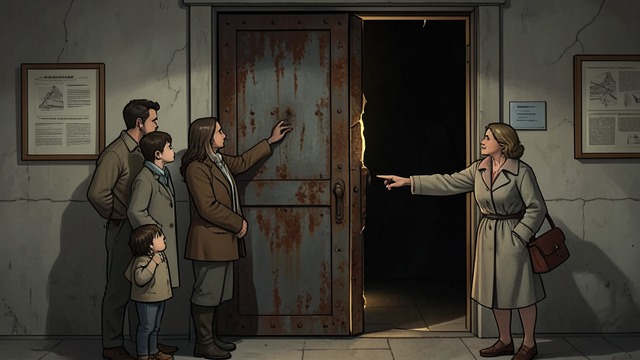
Debt Reaches the Household
Accounts complicate kinship
Loans, inheritances, and disputed obligations enter family stories.
Private relations become economic
Marriage and loyalty are repeatedly described through debts and exchanges.
Bankruptcy Threatens the Order
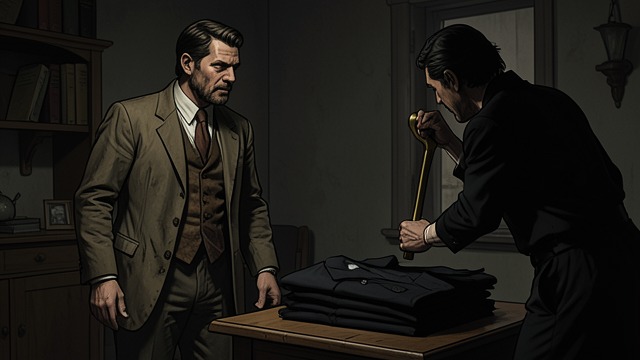
Bankruptcy Threatens the Order
Commercial security fails
The possibility of bankruptcy unsettles the confidence of merchants and households.
Wealth reveals its fragility
Property cannot guarantee social standing or protect its owner from reversal.
The Market Reopens
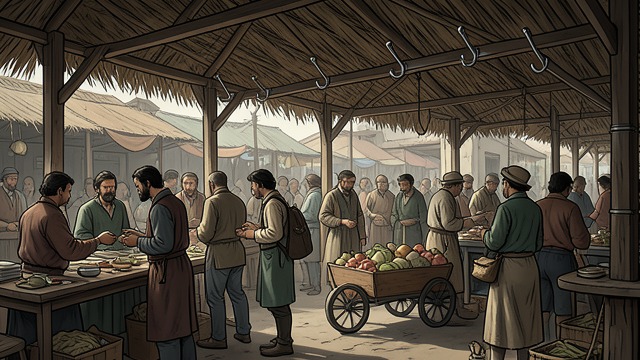
The Market Reopens
Exchange continues
New claims, letters, and goods keep circulating after individual failures.
No final settlement
The economic system resembles the narrative itself: debts and transactions return in altered forms.
During the early urban and commercial passages
During the account of Earwicker's commercial rise
During the family's financial and legal recollections
During the collapse and financial scandal passages
In the later commercial and post-office episodes
