
Writing, Evidence, and Authorship
Finnegans WakeThis flow traces the book's recurring uncertainty over who writes, owns, and interprets the documents that claim to preserve its history.
increasing Bearing strength in each event
 decreasing
Bearing strength in each eventdecreasingThe World Writes Itself
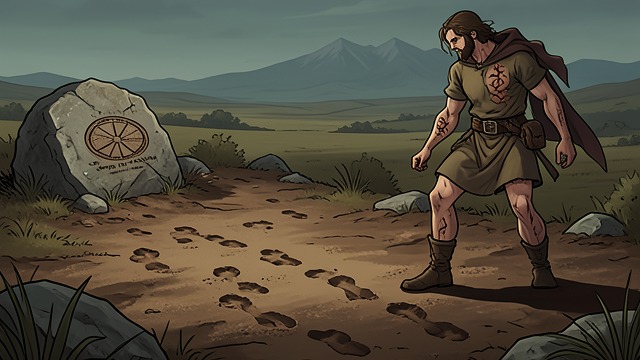
The World Writes Itself
Marks precede authority
The narrative imagines history as traces written into earth, objects, and human bodies.
Writing exceeds an author
No single writer can claim the whole record of the world.
The Letter Is Recovered
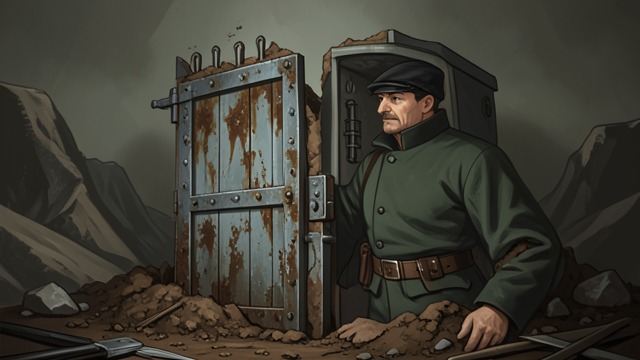
The Letter Is Recovered
A damaged document appears
The letter emerges from the ground altered by stains and material wear.
Evidence needs interpretation
Its contents cannot be separated from its physical history.
The Writer Is Accused

The Writer Is Accused
The author becomes suspect
Shem is treated as a low and unreliable figure even as his writing shapes the narrative.
Respectability disputes authorship
The text asks whether social standing can determine whose words deserve belief.
Readers Rebuild the Text
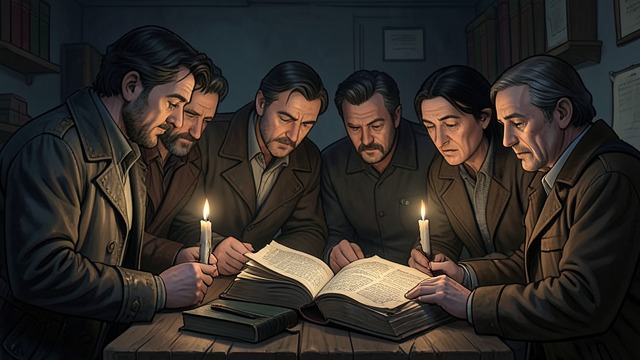
Readers Rebuild the Text
Many interpretations compete
Readers and commentators propose different explanations of the text's signs, marks, and forms.
Reading becomes a creative act
Each attempt to establish the original also adds another layer to it.
Authorship Remains Plural
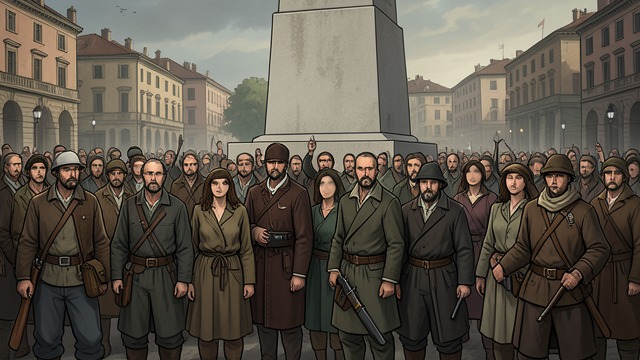
Authorship Remains Plural
No final hand is isolated
The writing remains entangled with family voices, memories, and readers.
A document becomes a world
The book ends by making authorship a collective and continually changing process.
During the early claybook passage
During the discovery of Anna Livia's letter
During Shem's portrait and family accusations
During the extended scrutiny of the document
Near the end of the book
