
The Competing Brothers
Finnegans WakeThis flow traces Shem and Shaun as opposing but interdependent brothers whose rivalry turns questions of authorship, respectability, and inheritance into family conflict.
increasing Bearing strength in each event
 decreasing
Bearing strength in each eventdecreasingThe Brothers Take Form
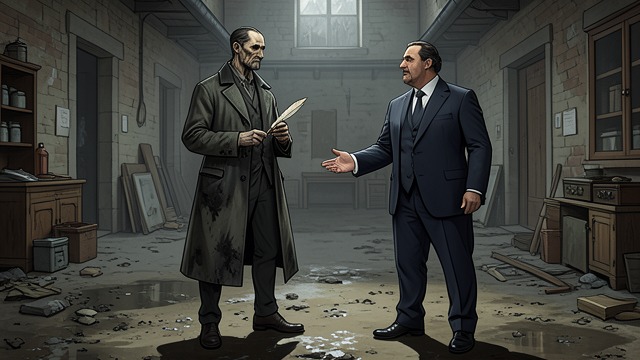
The Brothers Take Form
Contrasting reputations
Shem is associated with writing and social disgrace; Shaun with public speech, delivery, and conventional authority.
One family divided
The brothers' opposition gives the family story a recurring structure: neither can be understood without the other.
The Penman's Low Reputation
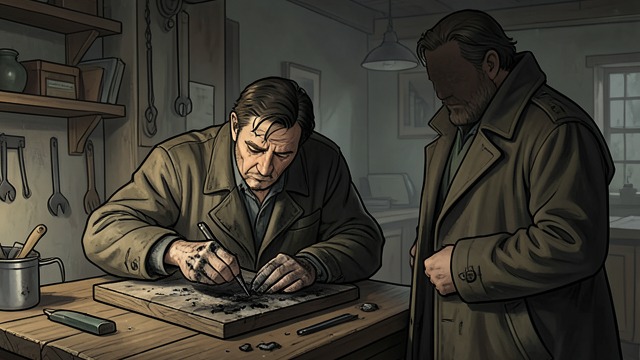
The Penman's Low Reputation
Writing under suspicion
Shem is described as physically and socially abject, yet he makes the written record through which others are remembered.
Authority reversed
The supposedly disreputable brother controls the words that his more respected rivals cannot escape.
Shaun Answers as Postman
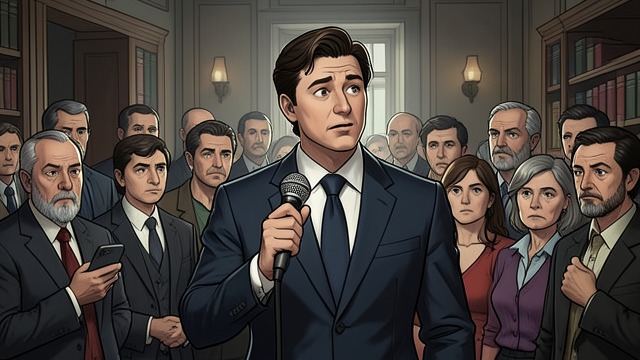
Shaun Answers as Postman
Public voice on display
Shaun responds to questions in a formal, self-protective voice, presenting himself as a reliable messenger.
The messenger becomes unstable
His confident account repeatedly turns into performance, and his authority cannot fully suppress the family conflict beneath it.
The Letter Reopens the Rivalry
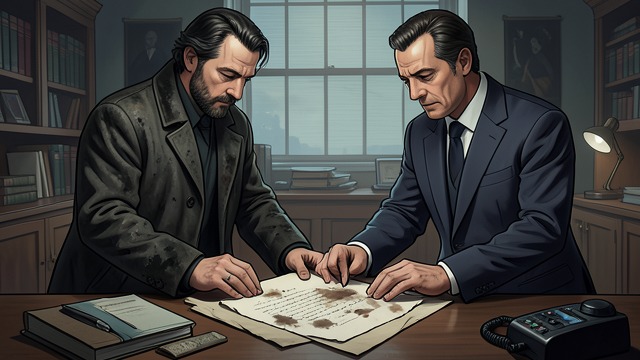
The Letter Reopens the Rivalry
Authorship remains uncertain
The letter associated with the family becomes a damaged, contested object that invites competing interpretations.
Rival voices share one text
Shem's writing and Shaun's explanations remain entangled, turning the document into another arena for their struggle.
The Brothers Remain Joined
The Brothers Remain Joined
Opposition without separation
The book never grants either brother a final victory. Their voices, roles, and meanings keep crossing.
A family pattern persists
Their rivalry expresses a wider principle of paired identities: conflict continually produces connection.
At the first extended portraits of the sons
During the portrait of Shem the Penman
During the question-and-answer postman episode
During the discussion of the damaged letter
At the book's closing movement
