Christmas
FirebugChristmas holds two contrasting meanings in Ava Jane Halloway’s life: a brief childhood experience of safety and wonder, and an annual occasion when Cade’s emotionally distant parents send a card that the family turns into a ritual of its own. In both, the holiday’s importance lies less in convention than in the people who make it feel like home.
A Week at Home
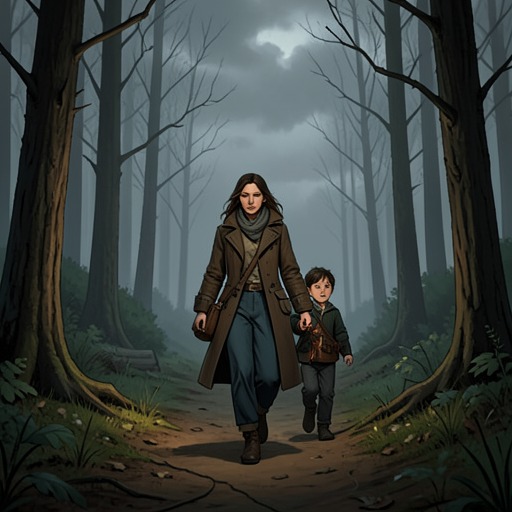
Ava and her mother were usually on the run, but they once returned to Currant for the holidays and became snowed in for a week. Ava remembered the interval as unusually happy: she ate candy, read books, drank homemade cider, and received new pajamas from Cade. He showed her how to string popcorn and cranberries for a Christmas tree. Because he had no ornaments, they decorated it with those chains and paper snowflakes; for Ava, who had never had a tree of her own, it was the most beautiful sight she had seen.
Duncan came over and gave Ava a present wrapped with a large red ribbon. Inside were four carved animals: a five-inch pony, a dog, a cat, and a wooden bird no bigger than Duncan’s thumb. When Duncan tapped them, the figures sprang to life and marched through the house to Ava’s clapping. They froze in mid-prance when the parade ended, but she asked him to repeat the magic again and again. She fell asleep in Duncan’s lap clutching the figures, then had to leave them behind when the family’s week at home ended. She tried not to cry because she knew it would make her mother sadder, but could not stop herself.
The Holiday Card Ritual
Years later, Christmas brought Cade a card from his parents, who had moved to Vermont shortly after he left home as a teenager. The card was signed with their names rather than with a familial greeting, and contained no expression of love, missing him, or even best wishes. Ava did not think they knew about her. The spare card made visible the emotional distance between Cade and his parents without ending their annual contact.
The family answered that distance with a ceremony of its own. Each year, Cade read the card aloud, folded it into a paper airplane with deliberate pomp, and Ava incinerated it in midflight. The repeated gesture transformed an impersonal message into a shared act between them: a small, theatrical tradition made from what the card lacked.
Duncan and Chosen Family
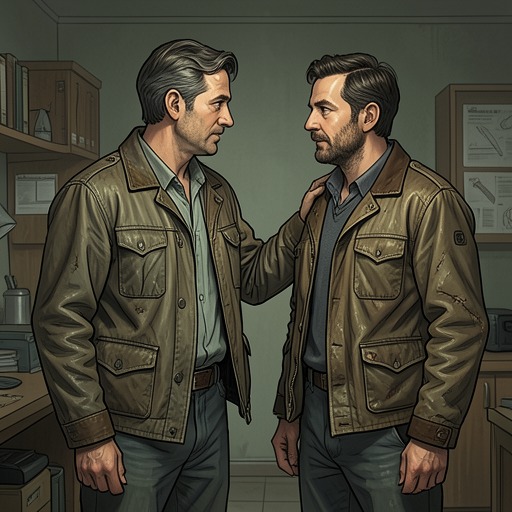
Duncan’s visits gave the holiday another recurring shape. He seemed to know when Cade had heard from his parents, and would arrive around Christmas with mulled cider and whiskey. He sat by the fire whittling while Ava asked for stories about Cade as a teenager. His presence connected the childhood visit, when he brought the animated wooden animals, to the later years, when he offered company and stories after the card arrived.
Christmas therefore gathers the article’s contrasting forms of family into the same season. Cade’s parents maintain contact through a formal card, while Duncan’s visits and the ritual shared by Cade and Ava make care tangible through gifts, drinks, stories, and play. The holiday is not a dependable return to safety—the childhood stay lasted only a week—but it remains a recurring measure of who makes a home for whom.