
The Conflict Between Treatment and Acceptance
Firefly LaneThis thread traces Kate Ryan’s battle with aggressive breast cancer, from delayed recognition and intensive treatment to the choice to spend her remaining time with her family.
increasing Bearing strength in each event
 decreasing
Bearing strength in each eventdecreasingAn Overlooked Warning Sign

A Symptom Without a Lump
A misleading beginning
Kate Ryan notices a discolored, puckered patch on her breast. It begins like a bug bite, and her family doctor treats it as an infection with antibiotics. The redness fades and returns, sometimes feeling hot, which reinforces the explanation that it is a recurring irritation.
Kate follows ordinary screening advice and believes her mammogram is clear. Because there is no obvious lump, neither she nor her physician immediately treats the skin change as a sign of cancer.
The danger of false reassurance
The delay matters because inflammatory breast cancer can present differently from the symptoms people commonly look for. Kate’s careful attention to routine checks does not protect her from a disease that progresses without the familiar warning of a palpable lump.
The overlooked patch becomes the first point in a conflict Kate cannot resolve through diligence alone. Her experience later shapes Tully Hart’s public effort to explain that persistent changes deserve further investigation.
The Diagnosis and Treatment Campaign
Fighting for Time
A frightening discovery
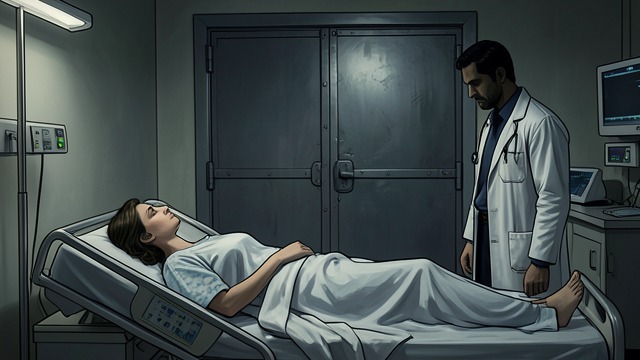
During a medical appointment prompted by her exhaustion and depression, Kate’s doctor notices the breast discoloration and arranges urgent imaging. The examination leads to a biopsy, and Kate is diagnosed with aggressive inflammatory breast cancer that has already spread.
The news shocks Kate and Johnny Ryan, but they quickly begin treatment. Kate undergoes surgery, chemotherapy, and radiation, while trying to remain optimistic for her husband and children.
Hope as a demanding task
Kate does not passively accept the illness. She pursues conventional and alternative approaches, consults specialists, and makes herself follow every recommendation that might give her more time with her family.
Her determination creates pressure as well as hope. She must keep reassuring those who love her even while the treatment exhausts her and the disease continues to progress, making it harder to distinguish resilience from the effort to protect her family from fear.
The Terminal Prognosis
The Limits of Intervention
A new crisis
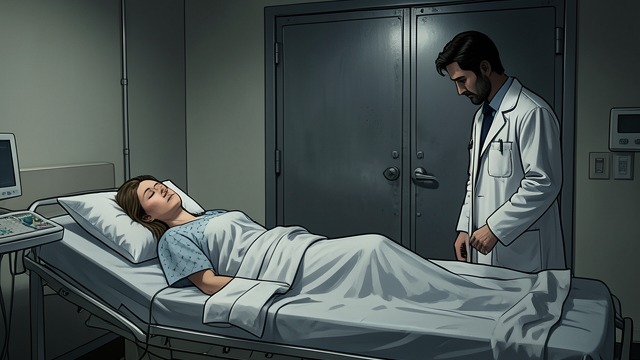
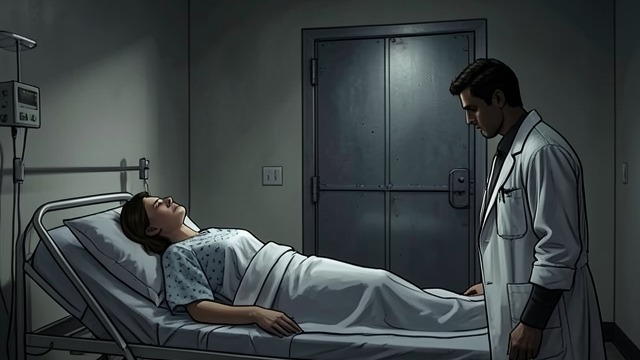
Kate’s illness reaches a turning point when the cancer spreads to her brain and she suffers a stroke. Doctors operate, but the cancer is too advanced for the surgery to help. Johnny and the family are told that Kate is dying.
For Kate, this confirms what treatment has failed to prevent. She has sought specialists and therapies because she wants time with her children, but she must now face the possibility that time is running out.
Choosing what remains possible
Kate asks Tully Hart simply to be with her rather than promise a cure. The request marks a shift from battling every possible medical option to attending to the relationships and memories that remain within reach.
She returns home for hospice care, surrounded by family. The change is not surrendering her love of life; it is recognizing that further treatment cannot provide the outcome she has worked toward.
What the Family Must Carry
Living With the Approaching Loss
Protecting the children
At home, Kate tries to keep the rhythms of family life intact while her strength declines. She worries most about her children, particularly Marah Ryan, whose relationship with her mother has been strained by years of adolescent conflict.
Kate tells the children that she is sick and will be treated, offering reassurance without promising what she cannot know. As the disease advances, her effort to comfort them becomes harder to sustain, and ordinary family activities take on the weight of farewell.
Reconciliation and inheritance
Marah admits that she has been mean and reconciles with Kate. She reads from The Hobbit with her mother and brothers, turning a childhood gift into a shared family moment. Kate also writes her memories in a journal so that her children can know her beyond the illness.
These acts do not defeat the cancer, but they answer a different part of the crisis. Kate can leave her family a record of who she was and restore a closeness with Marah that had been difficult to reach while there was time to argue.
The Final Family Moments
Time Narrowed to What Matters
A changing body
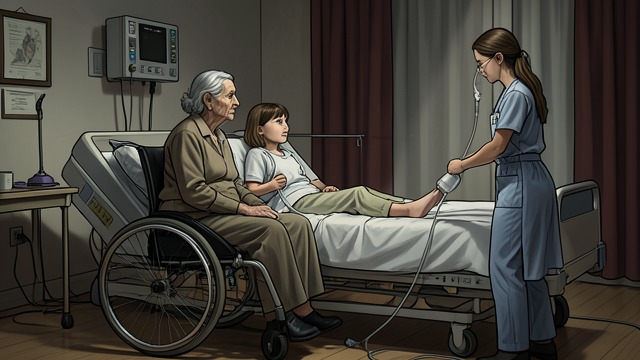
As Kate grows weaker, pain, headaches, nausea, and exhaustion increasingly shape her days. She needs a wheelchair and then oxygen, while her family and Tully Hart take over tasks she can no longer manage.
Kate nevertheless insists on attending Marah’s summer play. Tully helps her prepare, and Kate watches her daughter perform, proud that Marah’s talent is beginning to find its own path.
A choice for family
Kate asks Tully to look after Johnny and the children, and she tells Tully that love and family are what remain at the end. With Johnny, she shares a final intimate moment that reaffirms their marriage and helps ease her fear for him.
The conflict concludes not with recovery but with Kate’s death. Her final wishes, journal, and letter to Tully give the surviving family ways to remember her, while Tully’s promise to stay close carries Kate’s love forward into the future.
About a year before Kate’s terminal diagnosis
Late in the story, after the specialist examination
After months of treatment, when Kate suffers a stroke
During Kate’s hospice care at home
The last weeks before Kate’s death
