Kate and Marah’s strained relationship
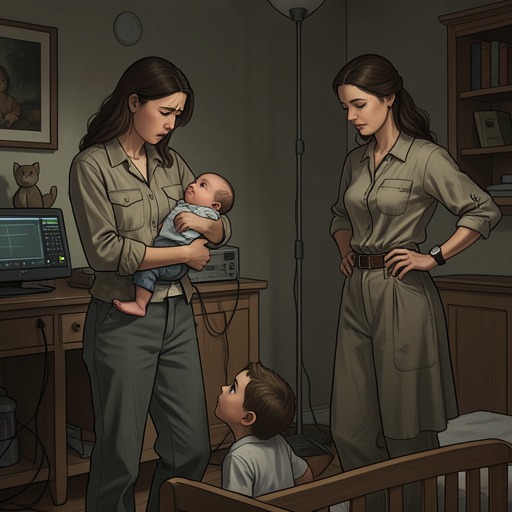
Firefly LaneKate and Marah’s strained relationship is shaped by a painful mismatch: Marah wants to be treated as independent, while Kate’s attempts to set limits and protect her daughter are experienced as control. Their conflict appears in arguments over Marah’s ambitions and personal choices, and Kate comes to recognize that the distance between them has hardened. Yet the strain is not the whole of their bond. When Kate faces cancer, Marah offers to care for her, and the roles that once kept them at odds give way to a more direct expression of attachment.
Independence and Conflict
A concrete flashpoint comes when Marah asks to attend a modeling conference in New York. She says that agents and photographers will be there, that Tully believes Eileen Ford might select her, and that her modeling-class teacher personally invited her. To Marah, the opportunity is important and credible; to Kate, the request raises concerns, including its cost. The dispute over the trip becomes more than a disagreement about travel: it exposes how differently mother and daughter understand Marah’s ambitions and Kate’s responsibility for her.
By a gray, drizzly November morning, the argument has left a visible mark on their everyday life. As Kate drives Marah to middle school, she sees her daughter slouched and surly in the passenger seat. Kate reflects that there had first been bricks between them and that lately those bricks have become a wall. The image records a shift from friction to distance: the dispute is no longer confined to one request but has altered the atmosphere between them.
Kate’s approach to parenting adds another layer to that distance. When Marah cannot go to a movie after an unspecified action has brought consequences, Kate wants to comfort her but holds back, believing that motherhood in such moments requires firmness. Marah responds by saying that, if she becomes a famous actress, she will tell television that Kate did not help her and credit Aunt Tully instead. Kate follows her as she walks away and tells her that she believes in her. The exchange holds reprimand and encouragement together: Kate enforces a boundary, while Marah interprets Tully’s support as a contrast to her mother’s restrictions.
Privacy, Rules, and Mutual Hurt
In a conversation with Tully, Marah describes her mother as treating her like a child and refusing to respect her privacy. She lists the limits Kate imposes: no makeup, thongs, belly ring, staying out after eleven, or tattoos. She says she cannot wait to graduate and leave for Hollywood to become a star like Tully. The list gives the conflict its daily particulars. Marah experiences a cluster of rules as evidence that Kate does not trust or respect her; her plan to leave turns that frustration into a declared break with home.
Kate, meanwhile, is hurt by what she perceives in Marah’s response to her. During a quiet moment with Tully, she says that sometimes she sees hate in her daughter’s eyes and that the sight hurts deeply. Her distress is sharpened by the gap between what others tell her—that Marah will grow out of it—and what she herself fears. The relationship is therefore not presented only through Marah’s complaint about control: Kate also feels rejected, and the two interpretations deepen the strain from opposite sides.
Their conflict carries an echo of earlier patterns of support within the family. When Tully is overwhelmed, Kate has held her without demanding an explanation; after Gran’s death, Kate again lets Tully cry in her arms. Those scenes do not resolve Kate and Marah’s disagreements, but they establish Kate as someone who responds to distress through presence and practical care. Later, when Kate’s own vulnerability becomes unmistakable, the daughter who has resisted her rules finds a way to offer that same kind of presence in return.
Care in the Face of Illness
When Marah asks Kate whether she has cancer, Kate answers yes. She then reassures her daughter that the doctors say she is young and healthy and that she should be fine, keeping her worst fears to herself. The exchange marks a change in what each can say: Marah names the illness directly, while Kate tries to preserve hope for her. The conversation does not erase their earlier conflict, but it places it beside the possibility of losing the time they have together.
Marah lies down on the couch, nestles close, and puts her head in Kate’s lap. She promises to take care of her mother. Kate strokes her hair and remembers how recently Marah had been small enough to curl into her lap and cry over their lost goldfish. The gesture reverses the ordinary direction of care without making the daughter’s role abstract: Marah’s promise is made through closeness, while Kate’s touch links the present moment to her daughter’s childhood.
The change is not a simple resolution in which earlier hurt disappears. Rather, the illness makes the bond between mother and daughter legible beneath their conflict. Marah’s earlier insistence on leaving for Hollywood and her anger at being treated like a child coexist with a willingness to stay near Kate and care for her. Their relationship moves from a wall built through everyday disagreements toward a moment of tenderness in which both are again connected through family care.