Pilchuck River
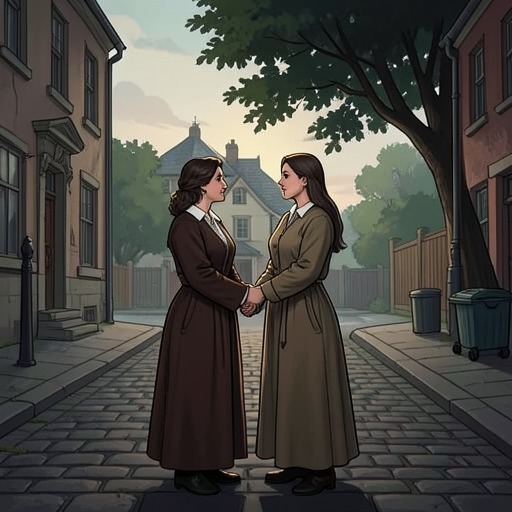
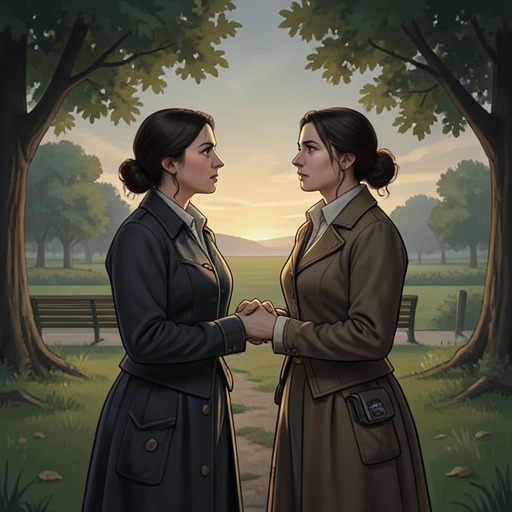
Firefly LaneThe Pilchuck River is more than a recurring setting in the lives of Tully Hart and Kate Mularkey: it is the landscape in which their friendship takes shape and to which their memories repeatedly return. On its banks, cigarettes, songs, tears, and shared silences become the substance of a chosen family. The river’s changing light and familiar shoreline frame both youthful discovery and the later fear of loss, giving a physical address to a bond that endures across decades.
Setting and First Encounters
The river belongs to a rugged, green-and-blue corner of the world around Firefly Lane, where the girls’ childhoods are marked by muddy roads, hillsides, and water that floods each autumn. Before Tully and Kate meet, the nearby country lane seems to go nowhere; afterward, they see the landscape through each other’s eyes as a starting point for all the places they might someday go. The river becomes part of that enlarged horizon: not simply scenery, but ground they make meaningful by returning to it together.
One of the earliest images associated with their friendship is the two girls on the Pilchuck’s banks, smoking stolen cigarettes and crying to “Billy, Don’t Be a Hero.” They tell each other everything, gradually stitching their lives together until those around them think of them as TullyandKate. The music will change over the years, but the promises made on Firefly Lane remain; the riverbank is among the places where that shared history begins to acquire its own rituals and language.
A Place of Trust and Growing Up
The river is not only a background to the girls’ private talks. During the summer after eighth grade, Tully and Kate ride their bikes through the valley and spend hours inner-tubing down the Pilchuck. They stretch out on small towels in neon crocheted bikinis, their skin slick with baby oil and iodine, listening to Top 40 music on a transistor radio they keep with them. Their conversation ranges from fashion and boys to music, war, movies, and the possibility of becoming a reporting duo. The river’s open-air leisure and the radio’s changing songs accompany a friendship in which, for a time, no subject feels out of bounds.
A later night by the water brings that intimacy into sharper focus. After the girls have been through a frightening experience, they leave their bikes by the road and limp toward the river. They sit beside a decaying, moss-covered nurse log, close enough for their knees nearly to touch, and look up at a star-spangled sky. The river sounds like a young girl’s laugh; its familiar bend, usually shaped by autumn floods, seems newly set apart from the rest of the world. In this stillness, Kate’s daring has grown, while Tully has found someone beside whom she does not have to face the night alone.
The riverbank also becomes a place where Tully can speak what shame has made difficult to say. When she tells Kate that she has been raped, she does so while looking out over a field and trying to steady her breath. Kate does not answer with accusation or judgment; she quietly asks whether Tully is okay. The disclosure makes their friendship more than a promise of shared adventures: Kate becomes a witness to Tully’s pain, while Tully risks trusting someone with a truth she has feared would change how she is seen.
Memory, Separation, and Return
As their lives diverge, the river remains a point of reference for the closeness they once assumed would last without change. Kate eventually realizes that she no longer shares Tully’s dream of becoming a television-news team. She has other possibilities in mind, including law school, writing, and falling in love, but struggles to tell the friend who first took her hand and imagined their future as partners. Their history at the river gives that difference its emotional weight: the girls who once seemed to have a single, tandem life must reckon with distinct ambitions and choices.
Years later, when Tully is grieving her grandmother’s death and angry at Cloud and the world, Kate moves down the couch to lean against her as she once did beside the Pilchuck. The gesture brings the river’s old comfort into an ordinary indoor moment: Kate listens and holds Tully while she sobs. When Tully later calls herself easy to leave, Kate again sits close, this time pushing aside a snack box from behind her on the couch. She reassures Tully that nothing is missing in her and that Chad’s inability to wait does not define her worth. The river is not physically present in these scenes, but its remembered closeness supplies their pattern of care.
In illness, the river returns through memory with unusual force. While Kate is frightened awake at night, she recalls sitting on its muddy banks with Tully, talking about David Cassidy’s newest album and sharing Pop Rocks. The recollection brings a lessening of fear. The small particulars—a favorite singer, a shared bag of candy, the muddy shore—show how the place survives in memory not as a grand symbol alone but as a storehouse of ordinary companionship. As Kate’s time grows short, those youthful scenes remain available to her as evidence of the life she and Tully built together.
The River in the Final Farewell
During Kate’s final hospital stay, Tully takes her place beside her friend after persuading Johnny to take the children home. She pushes the beds together across the linoleum and plays a recording of her last show; the two watch it like eighth-grade girls at a sleepover. The shared joke and improvised closeness echo the riverbank’s early rituals, even as the hospital makes the limits of their remaining time impossible to ignore. The friendship that began in open air now makes a small private world in a hospital room.
Tully also recreates the freedom of their youth by pushing Kate in a wheelchair over uneven grass. At the top of a slow hill, she tells Kate to close her eyes and extend her arms like airplane wings, then narrates their return to the seventies: sneaking out, riding without hands on Summer Hill, and laughing as if invincible. The ride is not literally along the Pilchuck, but it draws on the same landscape of their adolescence—hills, potholes, bikes, and a belief in flight. Kate feels the breeze and the earth, laughs, and, for a moment, is again a girl beside her best friend on Firefly Lane. When the ride ends at the beach, she looks up at Tully with a smile that gathers their shared past into a single moment.
After Kate’s death, a Virginia Slims cigarette marked with a note telling Tully to smoke it, an autographed David Cassidy photograph, and an iPod with headphones invite her to enact memories they made together. Lighting the cigarette makes her think of nights on the Pilchuck’s banks, lying against fallen logs and looking up at the Milky Way. The river thus accompanies the final movement from physical presence to remembered companionship: Tully senses Kate around her and thinks of her as Katie. Across the novel, the river’s meaning changes from a place the girls discover together to a lasting inner landscape, where their earliest trust and final farewell meet.