
The Prisoner’s Uncertain Memory
FlatlandAfter conviction, Square struggles to preserve his testimony against isolation, fading recollection, and the possibility that his own vision may have been a dream.
increasing Bearing strength in each event
 decreasing
Bearing strength in each eventdecreasingSeven Years in Custody
Seven Years in Custody
Confinement after revelation
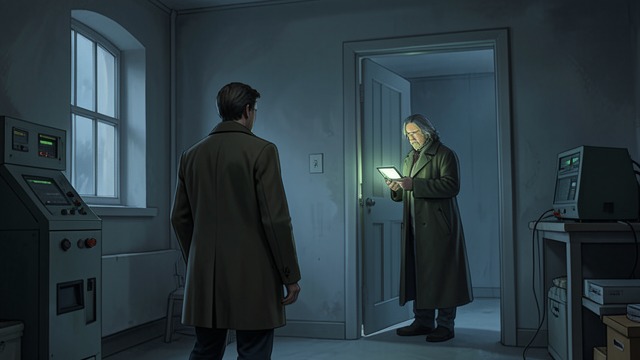
Square remains in State Prison, separated from ordinary companionship and permitted only occasional visits from his brother. His punishment turns public teaching into private endurance.
A truth without converts
Although his brother witnessed Sphere’s appearance at the Council, repeated explanations have not persuaded him. Square confronts the painful difference between having seen evidence and being able to communicate its meaning.
The Fading Cube
The Fading Cube
Memory under pressure
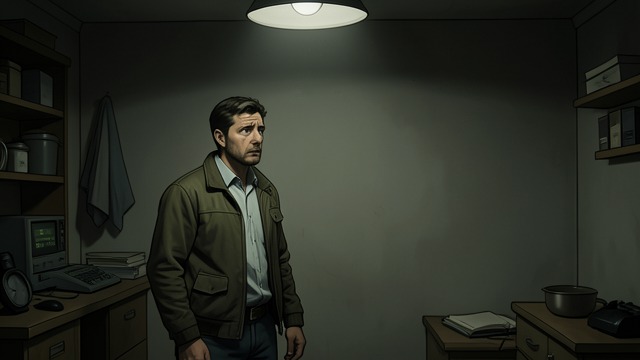
Square admits that he cannot confidently recover the exact shape of the Cube he once encountered. The more he depends on memory, the more the vanished experience appears vulnerable to doubt.
Reality questioned
At moments of weakness, even Flatland’s walls and writing tablets seem dreamlike. His crisis reverses his earlier certainty: the difficulty is no longer only convincing others, but trusting the grounds of his own knowledge.
A Hope Beyond Dimensions
A Hope Beyond Dimensions
Testimony addressed outward
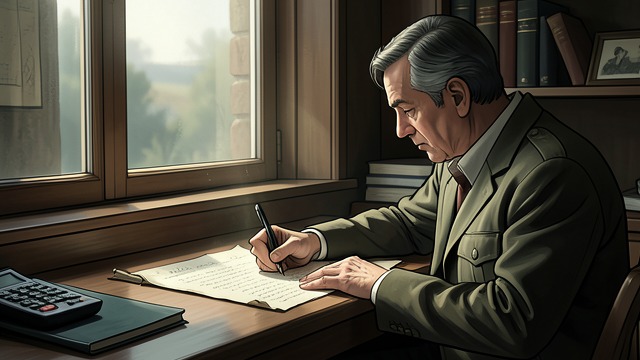
Square hopes his memoir may reach minds in some other dimension, though he cannot know how it might travel. Writing becomes a substitute for the direct teaching that failed in person.
An unresolved ending
He still fears that the world he saw may recede into the status of a dream. The memoir ends without proof of future success, preserving both his aspiration and his uncertainty.
Seven years after the trial
During Square’s imprisonment
Near the end of Square’s memoir
