
Belbo's Life of Missed Chances
Foucault's PendulumBelbo's memories of childhood, war, artistic frustration, and love reveal a man who longs for a decisive role but repeatedly fears that he has missed his moment.
increasing Bearing strength in each event
 decreasing
Bearing strength in each eventdecreasingThe Unchosen Trumpet
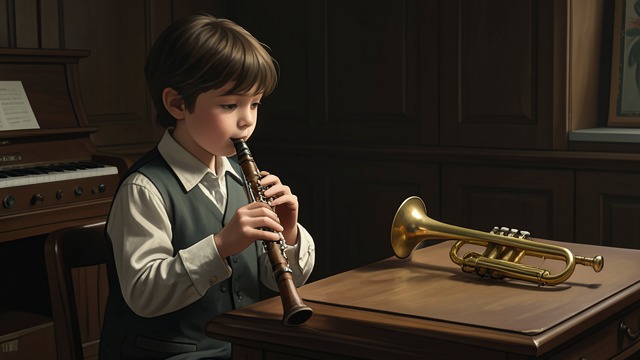
A First Renunciation
A childhood wish
Belbo dreams of a golden trumpet, but when relatives offer a cheaper clarinet he cannot insist on what he wants. He accepts the substitute and never plays it.
A recurring pattern
The childhood story becomes a model for later choices: desire is vivid, action is delayed, and opportunity seems to pass beyond recovery.
The Observer in Wartime
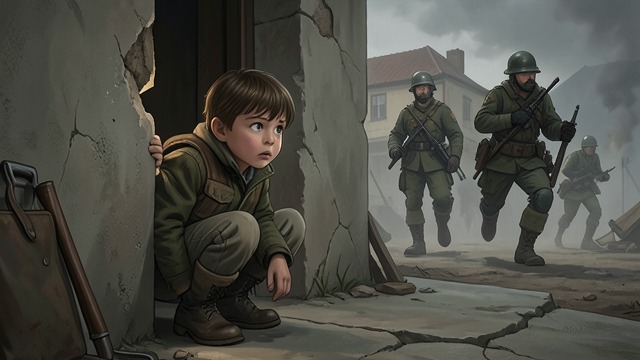
Watching the Conflict
A child near danger
Belbo witnesses raids, gunfire, and the uneasy relations between partisans and Fascists. He remembers himself as a spectator who watches rather than choosing a side.
Adult remorse
His later guilt arises not from a particular betrayal but from never knowing what he would have done. The uncertainty becomes one of the deepest sources of his self-doubt.
The Final Stand
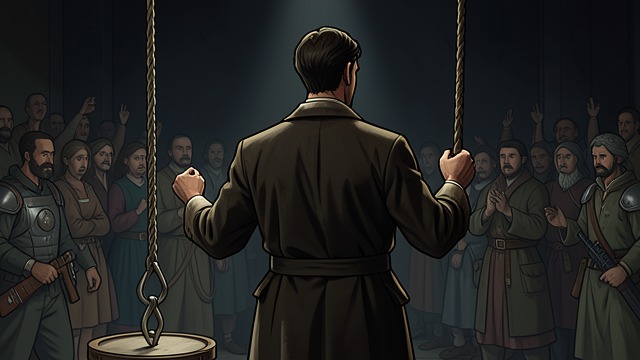
Refusal at the Pendulum
A manufactured crisis
The conspirators threaten Belbo because they believe he possesses a map. He understands that their demand is built on a fiction he helped create.
A chosen action
Rather than submit or invent another answer, he refuses to cooperate. The refusal costs him his life but gives his last act the decisiveness missing from his earlier memories.
During Belbo's childhood in the 1930s
In the Italian Resistance period
On Saint John's Eve in Paris
