
The Limits and Freedom of Prioritization
Getting Things DoneThe book deepens its treatment of priorities by arguing that no ranking scheme replaces clear work inventories, judgment, and renegotiation.
increasing Bearing strength in each event
 decreasing
Bearing strength in each eventdecreasingThe Old Priority Codes Fail

Priority Labels Cannot Carry Everything
Too Many A’s
Simple ranking systems may fail when almost every task appears important or when new input continually changes the day. A fixed list of priorities can become obsolete as circumstances shift.
The challenge is not merely choosing a label but understanding the work to be ranked.
The Calendar Has a Different Job
The book distinguishes fixed-time commitments from flexible priorities. A calendar can protect real constraints, while action lists preserve options that must be judged in context.
Priority requires a more complete picture than a single code can provide.
The Work Must Be Known

Priorities Depend on Inventory
No Choice Without Options
A person cannot make a sound choice among tasks that have not been identified or clarified. Hidden projects, undefined actions, and unprocessed messages distort the apparent set of priorities.
The inventory provides the material from which judgment can operate.
More Than One Horizon
Work includes immediate actions, projects, responsibilities, goals, visions, and purpose. A choice at one level can look different when considered alongside the others.
Prioritization becomes a process of perspective, not a permanent ranking of isolated tasks.
The Moment Requires Judgment

Four Practical Constraints
Context, Time, Energy
The person first considers where they are, how much time is available, and what energy they can bring to a task. These factors eliminate actions that cannot realistically be done at the moment.
The remaining options are more relevant to the actual situation.
Priority Comes Last
Among feasible options, the person considers relative importance and uses judgment. The model supports decision-making but does not dictate whether to make a call, draft a proposal, or rest.
Priorities are exercised within real conditions, not in abstraction.
Not Doing Becomes a Choice
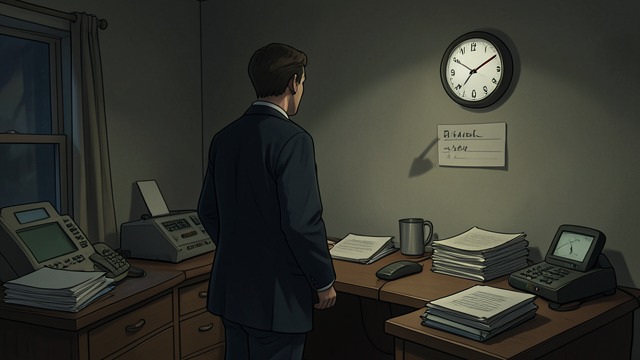
Making Peace with Limits
Work Exceeds Capacity
The person will not complete every possible task. To feel good about what remains undone, they need to know what it is and make conscious decisions about it.
Unseen work creates more pressure than acknowledged work.
Review and Renegotiation
A complete system allows agreements to be revised as priorities and circumstances change. Items can be delayed, dropped, or delegated with greater honesty.
The book presents freedom not as limitless capacity but as the ability to choose and renegotiate responsibly.
Intuition Gains a Foundation

Flexible Choice with Confidence
The System Does Not Choose
Lists and calendars supply options and constraints, but the person still makes the final intuitive decision. The framework helps ensure that the choice is informed by a current view of the work.
A trustworthy inventory supports adaptation rather than rigid scheduling.
Priorities Remain Alive
As projects and responsibilities change, priorities must be reviewed at appropriate levels. The person can move between immediate action and larger purpose as circumstances call for it.
The theme resolves in a practical freedom to choose without pretending that every task can be done.
During the critique of traditional time management
As action choice is reframed
When a person chooses what to do now
At the end of a demanding workday
After the system is trusted
