
The Emotional Release of Collection
Getting Things DoneThe act of collecting unfinished matters produces a mixed emotional passage from anxiety and guilt toward relief and control.
increasing Bearing strength in each event
 decreasing
Bearing strength in each eventdecreasingAnxiety Rises with the Pile

Facing the Accumulation
The Emotional Inventory
People who collect their open matters may feel overwhelmed, frustrated, fatigued, or disgusted. Seeing the volume of unresolved material can make neglected commitments newly vivid.
The process can feel worse before it feels better because hidden matters are becoming visible.
The Weight of Guilt
Some items carry the memory of what a person believes should already have been done. The pile can therefore hold emotional judgments as well as practical tasks.
Collection exposes the burden that had been dispersed across memory and physical space.
Relief Appears Beside Discomfort

Two Feelings at Once
A Sense of Release
Even while the inventory is intimidating, people may also feel more in control as they gather items into one place. The collection creates a visible boundary around what will need attention.
The situation is not finished, but the person no longer faces an entirely unknown mass.
Control Through Visibility
The relief comes from having a clearer sense of what exists and where it can be processed. Material that was scattered through rooms and memory begins to have a common destination.
The emotional shift occurs before the tasks themselves are completed.
Unfinished Agreements Are Understood
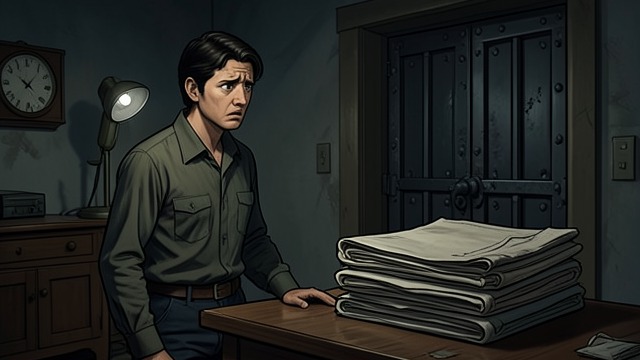
Anxiety as a Signal
Broken Self-Commitments
Allen explains that guilt and anxiety can arise from promises made to oneself and left unfulfilled. The unfinished list may represent agreements that have never been consciously reconsidered.
The negative feeling is linked to lost trust rather than merely to the quantity of work.
A Different Interpretation
Understanding the source makes it possible to address the feeling through action, release, or renegotiation. The person is not required to complete every item simply because it once came to mind.
The emotional burden becomes something that can be handled through clearer choices.
The Choice Brings Relief

Agreements Are Revisited
Completion or Release
Some actions can be done immediately, while others can be discarded or placed on a later list. The person can also renegotiate an intention that no longer fits.
Each choice reduces the number of matters left in an undefined state.
Permission Not to Act Now
A trustworthy future reminder makes it possible to postpone an item without pretending it has been forgotten. The person can see what is not being done and decide that this is acceptable for the moment.
Conscious choice replaces the nagging pressure of an untracked promise.
Self-Trust Begins to Recover

A New Emotional Baseline
Fewer Hidden Failures
When commitments are visible, people can make realistic agreements and monitor the ones they accept. They are less likely to experience every unfinished matter as an invisible accusation.
The system supports honesty about capacity and progress.
Control Without Completion
A person can feel calmer without finishing every task, provided the remaining work is clear and appropriately managed. Relief comes from trust in the process, not from an empty world.
Collection becomes emotionally powerful because it repairs the relationship between intention and attention.
During a full collection exercise
As collection continues
When the source of negative feelings is examined
When each item is processed
After collection and review become habitual
