
The Planner and the Tool Choice
Getting Things DoneThe book’s implementation guidance follows a reader from uncertain equipment choices toward a simple, usable personal system.
increasing Bearing strength in each event
 decreasing
Bearing strength in each eventdecreasingA System Starts in Space
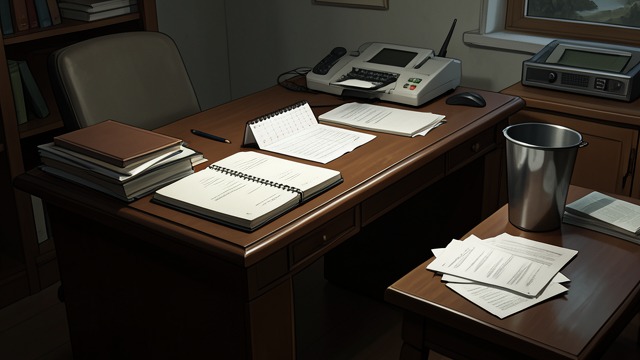
Establishing a Work Base
A Physical Place
Allen recommends a central work space with a writing surface and a place to collect incoming material. The setup can be modest, but it gives processing a consistent physical home.
People working in different locations may need related systems at home, at the office, and in transit.
Lowering Resistance
A dedicated space reduces the effort of deciding where to put materials and where to work on them. The design is meant to make useful behavior easier, not to impress anyone.
A work base gives the emerging system a practical foothold.
Tools Support Behavior

Making Collection Easy
Basic Equipment
Trays, plain paper, writing tools, folders, a calendar, and a wastebasket support collection and processing. The book emphasizes that inexpensive, accessible tools often outperform elaborate equipment.
The purpose of supplies is to make capture, sorting, filing, and disposal readily available.
Form Shapes Use
A convenient tool can encourage the behavior it supports. A label maker, for example, can make a quick reference file easier to create at the moment it is needed.
The system should be fast enough that useful input does not accumulate simply because handling it feels difficult.
The Organizer Question
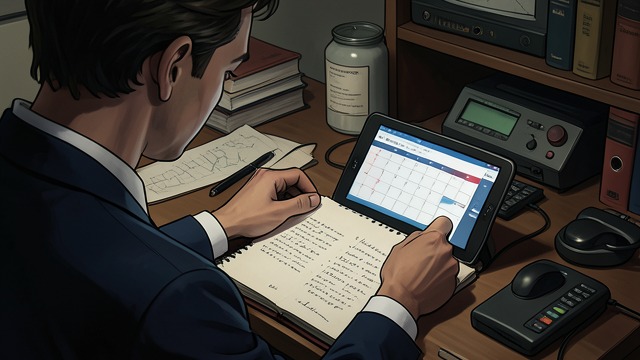
Lists in Different Forms
Medium Is Secondary
The book treats paper lists, planners, folders, and digital organizers as possible ways to hold reminders. The key requirement is that a person can capture and review the information reliably.
The best choice depends on the user’s work, portability needs, existing habits, and comfort with the tool.
Simplicity and Enjoyment
Allen advises choosing a system that is simple, quick, and appealing enough to use. A sophisticated device is not useful if its owner avoids entering or checking information.
The tool should serve the method rather than becoming a separate project that prevents implementation.
Filing Becomes Accessible

A Library Within Reach
Filing Without Delay
A general reference system should make it easy to store a single useful document quickly. If filing takes too long or requires too much effort, material is likely to be stacked instead.
Accessible folders help maintain a clear line between information and actions that still require work.
One Practical Index
Allen recommends a simple alphabetical arrangement for general reference material, with specialized storage reserved for genuinely large categories. The system is intended as a retrievable library, not as a substitute for action reminders.
Fast filing supports the broader aim of keeping collection buckets clear.
A System Becomes Personal

Adapting the Setup
Working in Real Contexts
The reader learns that systems may vary across home, office, and travel, so long as each supports reliable capture and review. A portable set of tools can make brief openings in the day useful.
A stable home base still holds material that would be impractical to carry everywhere.
Habits Over Hardware
The system succeeds through repeated behaviors: capture, process, organize, and review. Tools can be adjusted as experience reveals what is easy to maintain.
The implementation journey therefore ends not with the perfect organizer, but with a working arrangement suited to the person’s life.
At the beginning of implementation
As the workspace is equipped
Before the reader finalizes a reminder system
As the reference system is set up
After the basic workflow is established
