
The Creative Worker’s Route to Motion
Getting Things DoneThe book portrays creative sensitivity as both a source of rich ideas and a cause of imagined obstacles, then offers structure as a way through.
increasing Bearing strength in each event
 decreasing
Bearing strength in each eventdecreasingImagination Creates Possibilities

Seeing Beyond the Present
Images of Success
The reader is encouraged to imagine a successful future before knowing every step needed to reach it. A vivid outcome can bring possible approaches and relevant information into attention.
Imagination is treated as a working resource rather than an indulgence.
The Risk of Waiting for Certainty
People may refuse to picture a result until someone tells them how to achieve it. Allen argues that this reverses the order in which useful planning often happens.
A person can create a direction before possessing a complete route.
Ideas Need an External Anchor

Capturing Creative Thought
A Mind in Motion
Ideas may arise in random order and be difficult to hold in attention for long. Writing, mapping, or discussing them provides an external structure that can sustain thought.
The method allows early ideas to remain unfinished without being lost.
New Thoughts from Recorded Ones
Seeing recorded material can prompt further connections. The reader can build on an idea without repeatedly reconstructing it from memory.
External capture supports creativity by relieving the mind of the need to store every possibility internally.
Sensitivity Imagines Failure
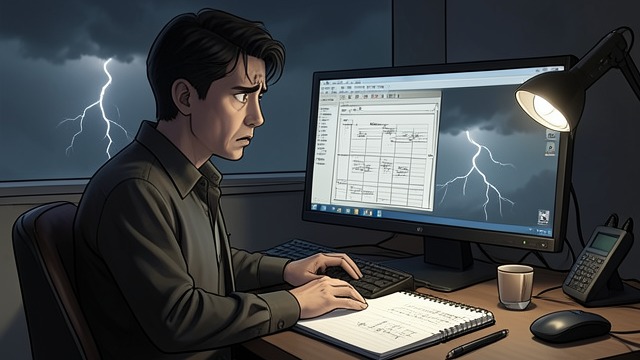
The Creative Mind Can Freeze
Complications Multiply
A person contemplating a project may imagine many ways it could go wrong. The more sensitive and inventive the thinker, the more vivid the potential difficulties can become.
The imagined future may feel like evidence that the project is impossible.
Avoidance as Protection
Rather than face those pictures, the person may avoid the reminder or keep the task vague. The project remains still, while internal pressure continues to grow.
The book treats this response as understandable but costly, not as a moral failing.
Small Steps Restore Agency
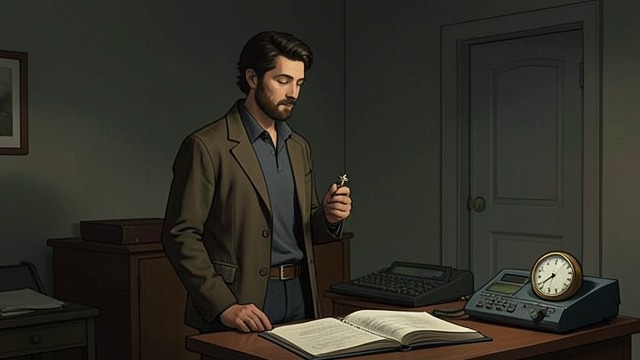
Dumbing Down the Task
From Whole to Part
Allen’s remedy is to identify the immediate physical behavior required. The person shifts attention from the entire intimidating project to an action that can be completed.
This change in scale can reduce the force of imagined complications.
Energy Returns
A defined action offers a possible win and a place to begin. The external situation may not yet be different, but the person’s relation to it can change.
The method converts creative capacity from a source of anxious scenarios into a resource for forward movement.
Creative Capacity Is Reclaimed

Imagination in Service of Results
More Than Avoidance
Once actions and outcomes are clear, creative thought can be directed toward improving work rather than merely anticipating its difficulties. The reader can brainstorm, organize, and test ideas within a dependable system.
Possibilities remain open without becoming untracked obligations.
A New Operating Style
The person learns to use imagination for both envisioning and planning, while external reminders preserve the results. Creativity and practical action become complementary abilities.
The trajectory is not from creativity to discipline, but toward a structure that lets creativity produce results.
During the account of outcome visioning
During brainstorming and project thinking
In the discussion of procrastination
When a stalled project receives a next action
Near the book’s concluding reflections
