
The In-Basket Intervention
Getting Things DoneDean Acheson’s coaching technique develops from a desk-side question into a repeatable way to release stalled work.
increasing Bearing strength in each event
 decreasing
Bearing strength in each eventdecreasingA Consultant Sees the Blockage

A Desk Full of Uncertainty
The Executive’s Papers
Dean Acheson works with executives whose projects and papers have become sources of psychic logjam. Rather than addressing the whole desk as one problem, he begins examining individual pieces.
The physical documents stand for commitments whose meanings and actions remain unsettled.
A Practical Question
Acheson presses the executive to decide the very next thing to do with each item. His intervention focuses on action-level clarity rather than an abstract promise to become more organized.
The technique begins as a direct response to visible workplace disorder.
One Paper at a Time
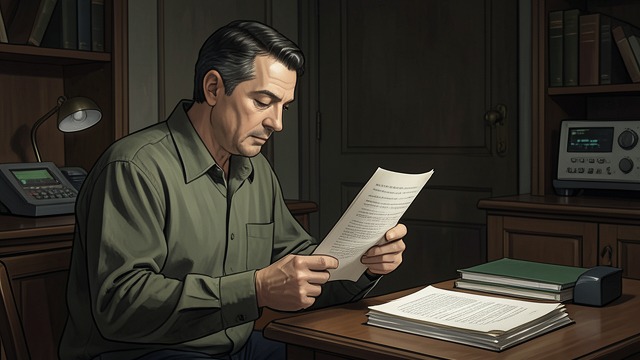
The Desk Is Processed
Individual Decisions
Acheson picks up each piece of paper and asks for the next step required to move its matter forward. The executive must distinguish a real action from a vague label or unfinished idea.
Each answer gives the item a more definite meaning.
A Different Kind of Organization
The process does not begin by rearranging piles or ranking all work by importance. It begins by making decisions about what the items actually require.
The method brings the executive into contact with the work rather than merely changing its appearance.
Immediate Relief Appears

The Logjam Opens
Action Becomes Visible
As items receive clear next steps, the executive’s workload becomes more intelligible. The work has not all been completed, but the uncertainty surrounding it begins to lift.
A person can see what action is required instead of feeling only the pressure of a crowded desk.
A Repeatable Observation
Acheson sees that this straightforward question produces striking results. Its value lies in making hidden decisions explicit at the moment they can be used.
The intervention demonstrates that clarity can alter a person’s experience before the world’s circumstances have changed.
The Technique Is Refined

From Intervention to Method
Repeated Application
Acheson continues working with executives and develops a more systematic way to process in-baskets. The same question remains central, but the practice becomes a teachable approach rather than an isolated act of coaching.
Its repeatability suggests that the original result was not limited to one desk.
A Wider Audience
Allen and his colleagues later train and coach many people using the concept. The technique moves from a consulting encounter into a broader framework for personal workflow.
A small question becomes the hinge of a larger practice.
A Global Question

The Next Action as a Standard
Beyond the Individual
Allen imagines meetings and conversations ending with a clear decision about whether action is needed and who will take it. The aim is to prevent commitments from dissolving into vague group agreement.
The question can clarify responsibility in personal as well as organizational settings.
An Enduring Legacy
The technique’s value lies in its ability to turn intention into a physical next step. It challenges people to act, delegate, defer, or decide that no action is required.
A desk-side intervention thus becomes a proposed cultural standard for knowledge work.
About twenty years before the book’s publication
During the first intervention session
As the in-basket decisions accumulate
In the years following the first session
In the book’s final discussion of the technique
