
The Manager and the Conference Deadline
Getting Things DoneThe manager’s response to a coming conference illustrates a professional shift from inherited planning to timely, distributed action.
increasing Bearing strength in each event
 decreasing
Bearing strength in each eventdecreasingA Familiar Crisis Looms

The Manager Inherits the Event
An Old Pattern
A manager is responsible for an annual conference after a prior year of crisis all-nighters. The deadline is still far away, but the possibility of repeating the same scramble is already present.
The assignment contains many pieces that cannot be managed as one undivided task.
A Chance to Change
The manager asks how to prevent a last-minute emergency. The question signals a desire to alter the process rather than simply work harder when the deadline approaches.
The project offers a test of whether early clarity can replace late exertion.
The Outline Is Not Enough
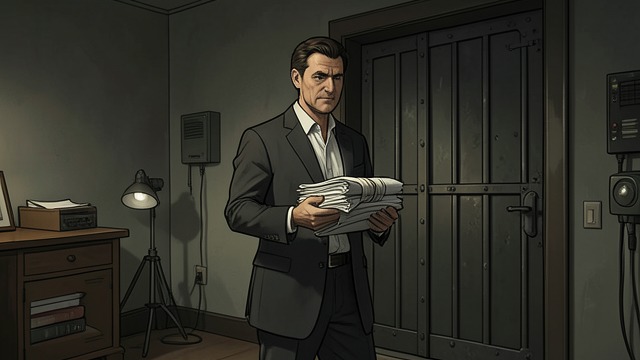
Inherited Structure, Missing Motion
A List of Pieces
The manager has an outline of the conference’s components. It provides some organization, but the listed pieces do not yet show which ones can move now.
A structure can be present while action remains undefined.
The Question That Changes Focus
Allen asks which parts are currently actionable. The manager must examine dependencies rather than assuming every component must wait for the others.
The outline becomes a map for choices, not proof that the project is already under control.
Responsibility Gets Grounded
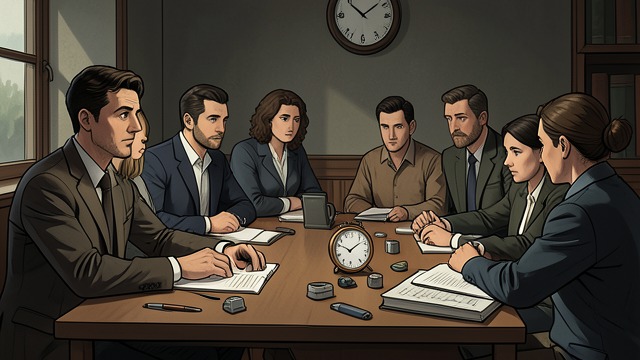
Naming Immediate Work
Several Fronts Open
The discussion finds about six aspects that can be advanced immediately. Each receives a next action, making simultaneous progress possible where dependencies do not prevent it.
The source does not list these tasks, but emphasizes their effect on momentum.
The Manager’s Role
The manager no longer has to hold the entire conference outline as a vague responsibility. She can guide work by checking concrete actions and their owners.
The shift moves leadership from general oversight toward actionable coordination.
The Work Gains Momentum

A Project in Motion
Early Progress Begins
The newly identified actions set the conference work running before the final deadline. Team members have specific work to undertake rather than waiting for a comprehensive plan to appear.
The plan can continue to develop as new information arrives.
Less Dependence on Crisis
The manager has a practical way to identify idle components and activate them. This does not eliminate every future problem, but it lowers the chance that known work will be postponed until it becomes urgent.
Action starts to replace the expectation of a late rescue.
A New Leadership Lesson
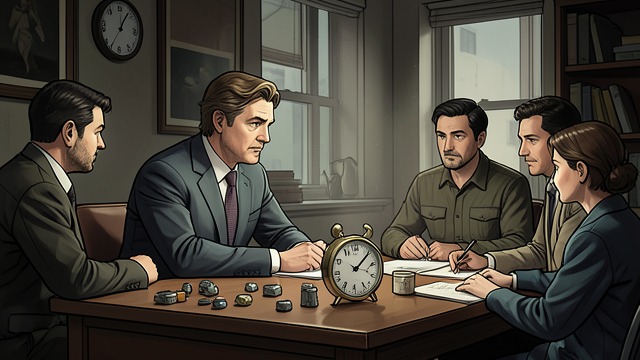
From Deadline to Ongoing Review
Checking the Moving Parts
As the event draws nearer, the manager can review the project’s active actions and waiting items instead of relying on the outline alone. The work remains distributed across components.
Regular attention makes emerging gaps easier to see.
Reusable Confidence
The manager learns that a long-range project can be advanced through present decisions. The lesson applies beyond conferences to any undertaking with multiple independent parts.
Her confidence rests on a method for starting, not on the hope that pressure will eventually force progress.
Before the conference planning session
During the manager’s first review of the plan
At the moment the movable parts are identified
Soon after the action decisions
As the conference approaches
