
The Conference Saved from Crisis
Getting Things DoneA conference organizer replaces deadline panic with a project outline and clear actions on the parts that can move now.
increasing Bearing strength in each event
 decreasing
Bearing strength in each eventdecreasingThe Inherited Deadline
Responsibility Without Momentum
A Major Event Looms
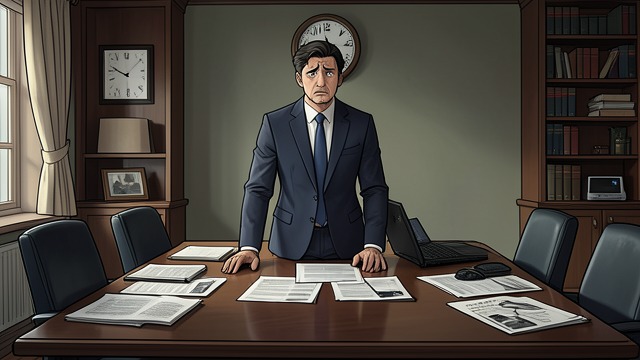
A manager inherits responsibility for organizing an annual conference well in advance. The outline includes many different pieces, yet the work has not been translated into current actions.
The previous year’s team endured crisis all-nighters near the deadline, and the manager wants to avoid repeating them.
The Appearance of Preparation
Having a project outline can create the impression that the work is under control. But an outline alone does not identify what can happen now or who will move it.
The event is still vulnerable because its planning has not reached the level of action.
The Outline Is Tested

Asking What Can Move
From Headings to Components
Allen examines the outline and asks which pieces can be acted upon immediately. This question shifts attention away from the conference as a whole and toward its movable parts.
Some components may depend on others, while several can progress independently.
Exposing Hidden Decisions
The question reveals that planning cannot stop at naming sections of the project. Each active component needs a next action and, where relevant, a responsible person.
The manager gains a practical way to turn a broad assignment into work that can begin.
Six Actions Emerge

Activating the Moving Parts
Work Becomes Specific
The conversation identifies half a dozen pieces that can move now and defines an initial action for each. The account does not specify the individual tasks, but emphasizes the change from inert outline to active work.
Multiple tracks can proceed at once when they do not depend on one another.
Ownership and Follow-Through
Once actions and responsibility are visible, the conference no longer relies on a single vague intention. Each piece has a place in the broader project and can be monitored.
The planning conversation creates motion without requiring a complete master plan for every detail.
The Project Starts Running

Momentum Replaces Delay
Early Progress
The identified actions allow the manager and team to begin before the deadline becomes urgent. The project develops through concrete steps rather than waiting for a late burst of collective effort.
Clarity makes delegation and coordination more practical.
A Different Operating Pattern
The manager has a method for checking each component: whether it can move, what its next action is, and who holds responsibility. This keeps the outline connected to operational reality.
The shift is modest in form but important in its effect on timing and stress.
Crisis Risk Declines

A Better Route to Completion
Earlier Decisions
By clarifying actions months ahead, the team reduces the chance that essential work will remain hidden until the deadline. The method does not guarantee a flawless event, but it reduces preventable last-minute confusion.
A project can still encounter surprises, yet its known parts are no longer idle.
A Reusable Lesson
The episode shows why “long-term” should not mean “no next action.” Distant deadlines still permit present progress when the moving parts are identified.
The conference becomes an example of planning that is informal, specific, and timely.
Many months before the conference
During the manager’s coaching conversation
Immediately after the outline is examined
Soon after the planning conversation
As the conference approaches
