
The Individual and Organizational Bottleneck
Getting Things DoneThe book expands personal workflow problems into organizational culture, tracing how weak links create interruptions and how shared standards improve trust.
increasing Bearing strength in each event
 decreasing
Bearing strength in each eventdecreasingA Culture Expects Things to Drop
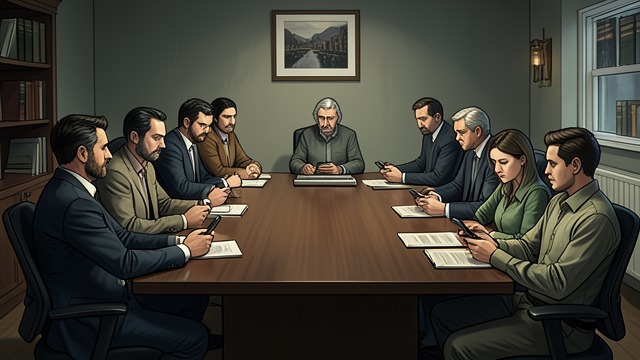
Nervousness in the System
Monitoring Replaces Trust
In organizations where messages and promises may disappear, people feel they must follow up constantly. They interrupt colleagues or repeat requests because they do not trust the existing channels.
The result is a culture of checking and hand-holding.
The Weakest Link
An organization’s process is only as reliable as its least dependable point. One person’s failure to capture or process communication can undermine confidence in the whole system.
The conflict is between a desire to move work forward and fear that the necessary information will vanish.
Overflow Becomes Normal

Visible Signs of Disconnection
Unprocessed In-Baskets
Allen observes offices where in-baskets are absent or overflowing. Such conditions can reflect a lack of trust in the workflow and contribute to a steady stream of interruptions.
People cannot tell whether a communication has entered a process or has simply been set aside.
A Fire-and-Crisis Pattern
When important matters are not processed consistently, they may return later as emergencies. The organization spends energy responding to problems that clearer front-end handling could have surfaced earlier.
A local habit of neglect is magnified into a broader cultural condition.
Collection Becomes a Standard

A Reliable Entry Point
Communications Are Captured
Allen argues for a standard in which all relevant communications and commitments are captured and processed. The specific personal tools may vary, but people must be accountable for managing what reaches them.
A communication should not depend on its recipient’s memory alone.
Reduced Interruptions
When people trust that information will enter a working system, they can interrupt one another less often. Attention shifts from checking whether requests were heard toward deciding what results matter.
The organization begins to replace anxiety with visible process.
Responsibility Is Not Uniformity

Personal Systems Remain Personal
No Universal Tool Is Imposed
Allen cautions that personal systems cannot simply be legislated. Individuals may use different formats for capturing and managing work.
What matters is not identical equipment but reliable outcomes and follow-through.
Accountability for Results
Organizations can hold people responsible for managing what comes their way and for meeting or renegotiating agreements. This preserves individual choice while setting a common standard for dependability.
The conflict between autonomy and consistency is resolved through shared expectations rather than one compulsory tool.
A More Trustworthy Culture
Attention Moves to Bigger Work
Less Energy Lost to Leaks
When collection and next-action decisions become normal, groups spend less time worrying about dropped details. The same energy can go toward larger problems, opportunities, and direction.
A dependable workflow does not guarantee the organization is pursuing the right goal, but it makes its current work more efficient.
Renegotiation Becomes Safe
A healthy culture allows people to acknowledge what they will not do and revise agreements openly. This makes an impossible workload less likely to become a hidden source of failure.
The organizational conflict resolves through trust, accountability, and ongoing adjustment.
When Allen describes organizational communication
During Allen’s visits to organizations
As an organization adopts systematic capture
As Allen addresses implementation across a group
Near the book’s organizational conclusion
