
The Garage That Would Not Move
Getting Things DoneA familiar household commitment illustrates how a vague intention can nag for years until it is completed, dropped, or formally deferred.
increasing Bearing strength in each event
 decreasing
Bearing strength in each eventdecreasingA Longstanding Intention

The Garage as an Open Commitment
An Unfinished Resolution
A person has told himself that he ought to clean and organize his garage. The task remains present in memory, perhaps for years, without a defined plan or decision to abandon it.
Its physical scale may be modest, but its unresolved status gives it continuing psychological weight.
The Repeated Reminder
Passing the garage can reactivate the internal demand to do something about it. Avoidance follows because the task appears as a large, undefined undertaking rather than a manageable action.
The example shows how duration alone does not resolve an incomplete commitment.
The Task Becomes a Burden
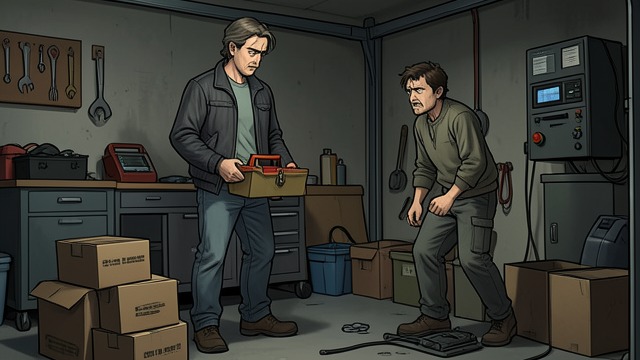
Pressure Without Progress
The Mind’s Complaint
The person experiences the unresolved garage as a repeated obligation. Because no reliable external reminder or explicit decision exists, the mind treats the matter as something that should be handled now.
The result is neither completion nor peace, but a recurring feeling of failure.
A Vague Task Resists Action
“Clean the garage” hides many possible steps: removing objects, deciding what to keep, arranging disposal, or asking for help. Without clarification, the project invites imagined complications.
The pressure comes partly from the absence of a defined route between intention and completion.
Three Possible Agreements
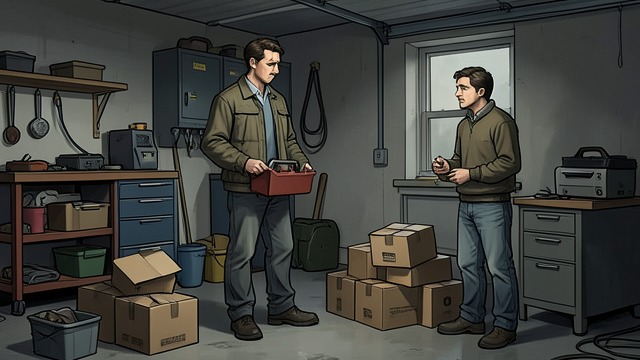
Choosing What the Commitment Means
Release or Complete
The person can lower the standard and decide the garage does not need attention, or can commit to cleaning it. Either choice is clearer than leaving the original expectation unresolved.
Making no commitment is a valid decision when the outcome no longer matters enough.
Renegotiating the Timing
A third option is to place the matter on a future list and review it later. Seeing it there provides a chance to acknowledge, “Not this week,” rather than experiencing it as an invisible demand.
The central shift is from unconscious obligation to a chosen agreement.
A First Concrete Step
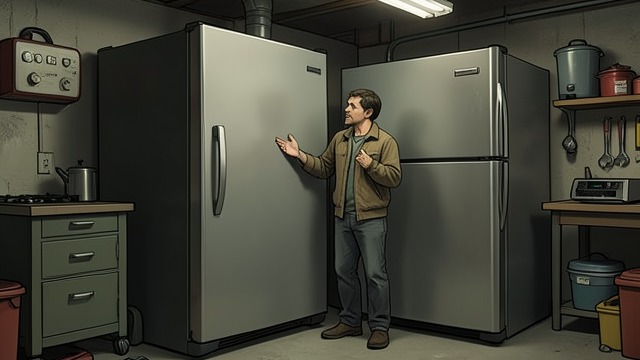
Breaking Down the Garage Project
Locating the Obstacle
The discussion of next actions shows that a project can require an initial inquiry before physical work begins. In another garage example, a large refrigerator must be dealt with first, so the person considers whether someone wants it.
The project becomes less amorphous when its real constraint is named.
A Doable Starting Point
Calling the person who may take the refrigerator is more specific than telling oneself to clean the entire space. That call can begin a sequence of actions without requiring the whole project to be solved at once.
Concrete behavior replaces intimidating imagery with a possible start.
The Nagging Loop Closes

Regaining Mental Space
Relief Through Clarity
The garage may not be physically transformed at the moment of decision. Nevertheless, the person can feel relief when the commitment has either been completed or given a trustworthy future place.
The mind no longer needs to keep issuing the same reminder without knowing what to do.
A General Lesson
The example connects household disorder to the wider method: unresolved matters gain weight when they remain undefined and untracked. A small decision can restore a sense of agency.
Closure can mean action, cancellation, or a conscious decision to return later.
Years before the example is discussed
When the garage repeatedly comes to mind
At the point of deliberate reconsideration
Once the person decides to act
After the agreement is completed or renegotiated
