
Bees as a Measure of Humanity
Grey BeesSergeyich repeatedly compares human society with the bees’ labor and order, using the colonies to judge the world around him.
increasing Bearing strength in each event
 decreasing
Bearing strength in each eventdecreasingCare Without Reward
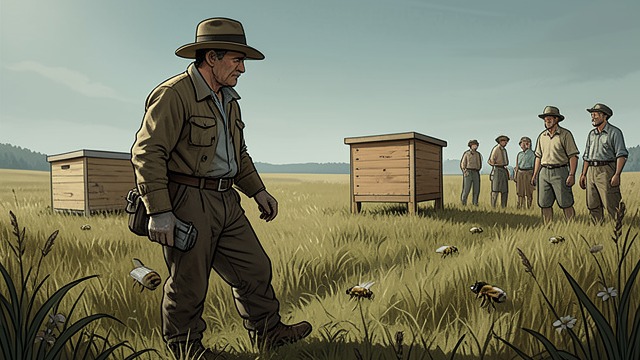
Care Without Reward
A keeper’s obligation
Sergeyich worries that the bees may freeze or die in a shell strike, though their safety brings him little immediate benefit. Their dependence gives his days shape and responsibility.
A different measure of value
The colonies do not demand praise or political loyalty. Their need for attentive care helps Sergeyich imagine a form of purpose separate from money and public recognition.
A Living Social Order
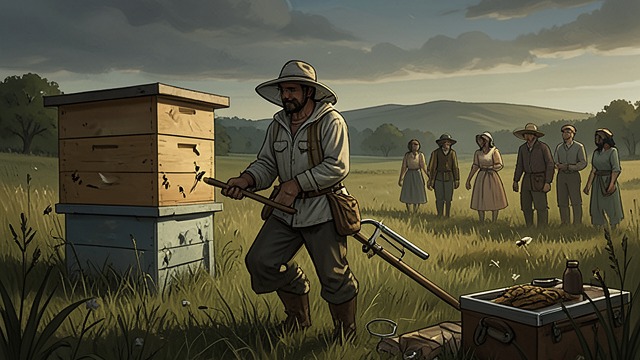
A Living Social Order
Work inside the hive
Sergeyich watches worker bees gather pollen and guards drive out drones before winter. He sees the hive as a disciplined society built around collective labor.
Human society judged
He contrasts this order with human inequality and unreliable authorities. The comparison is not a political program so much as a private standard by which human behavior repeatedly falls short.
The Mission of Pollen
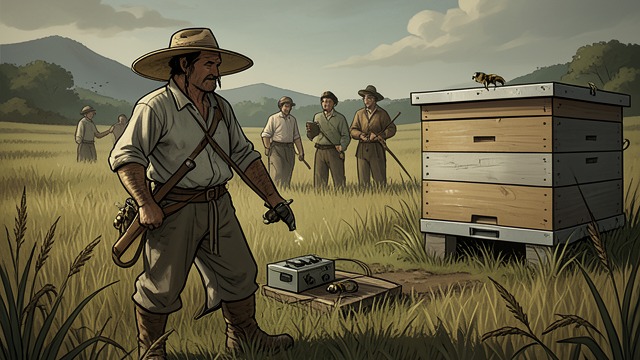
The Mission of Pollen
A species without war
Sergeyich believes bees cannot understand war or switch between peace and conflict as people do. Their only essential task is to gather and spread pollen.
A reason to leave and return
Protecting that task justifies his risky travels and his decision to carry the colonies back home. The bees’ work becomes a fragile continuity of life moving through a landscape organized by violence.
the winter before the relocation
during the Crimean summer
during the final journey home
