
Changes in Government
I ChingThis flow traces the decision to change political institutions, from early restraint through consultation to public confidence and consolidation.
increasing Bearing strength in each event
 decreasing
Bearing strength in each eventdecreasingA Change Is Proposed
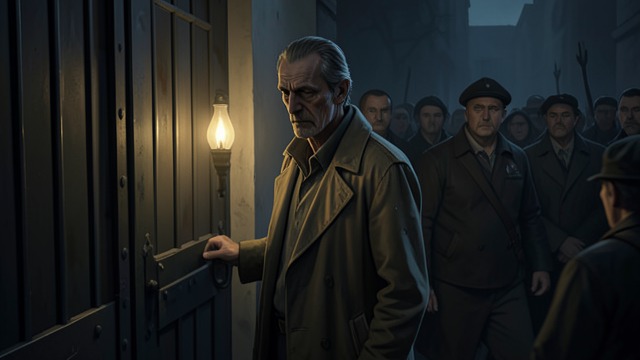
The Need for Reform
A disputed necessity
Revolution begins from the premise that change may be necessary in a country. Legge reads its opening judgment as recognizing the difficulty of winning belief before reforms succeed.
People mistrust change until its effects become visible.
A moral threshold
The text promises progress only when the proposed action is firm and correct. Change is not valuable merely because it is new or dramatic.
The conflict begins with a demand to prove both necessity and legitimacy.
Premature Action Is Bound
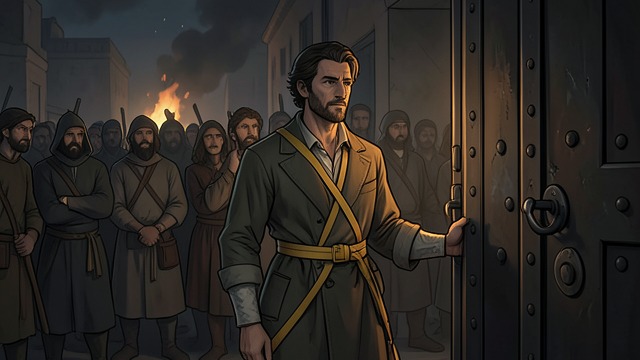
Timing Holds the Reform Back
A restrained beginning
The first line depicts a subject bound with the skin of a yellow ox. Legge interprets the image as a change attempted too early, before supporters and conditions are ready.
No proper helper is yet available.
Waiting protects the cause
The line does not reject reform; it prevents an underprepared effort from discrediting its own purpose. A good change must survive the weakness of its beginning.
The conflict is delayed, not abandoned.
Consultation Builds Belief
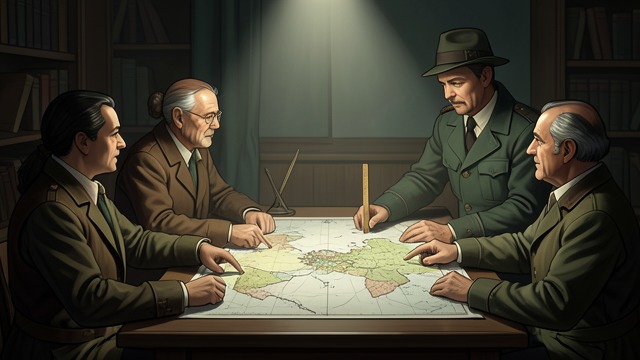
Public Trust Takes Time
Deliberation before action
The third line says change is dangerous even when its advocate is firm. It must be fully discussed before people will believe in it.
Legge reads the repeated consultation as a check against impulsive policy.
Consent strengthens reform
A well-founded proposal gains credibility through deliberation and explanation. The state cannot be transformed securely by private conviction alone.
The political conflict moves from a ruler's intention to the community's willingness to accept the result.
The Great Man Changes the Pattern
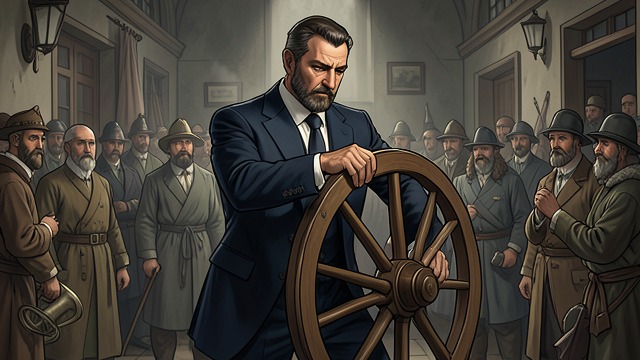
Reform Becomes Visible
A trusted leader acts
The fifth line depicts a great man changing like a tiger, with public faith already established before divination. Legge reads this as a ruler whose character has earned confidence.
The reform now has both authority and public credibility.
Transformation without chaos
Because trust precedes action, change need not rely only on force. The image suggests a visible transformation that people can recognize as purposeful.
The crisis turns toward resolution when leadership and consent converge.
The New Order Must Be Consolidated
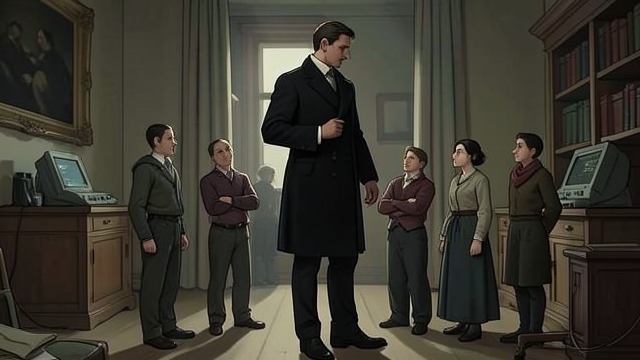
A Reform Is Not Its Own Ending
Obedience follows leadership
The final line describes a superior man changing like a leopard and smaller people changing their faces. Legge distinguishes considered reform from superficial compliance.
The ruler should now hold to what is right instead of continually initiating new changes.
Stability after transformation
The political task shifts from overturning an order to maintaining a sound one. Further action could become excess even after a successful reform.
The conflict resolves through measured consolidation rather than endless revolution.
At the opening of Revolution
At the first line of Revolution
At the third line of Revolution
At the fifth line of Revolution
After change has taken hold
