
Sincerity Beyond Spectacle
I ChingThis flow traces the book's repeated distinction between genuine inward devotion and the outward scale of ritual display.
increasing Bearing strength in each event
 decreasing
Bearing strength in each eventdecreasingAn Offering May Be Small
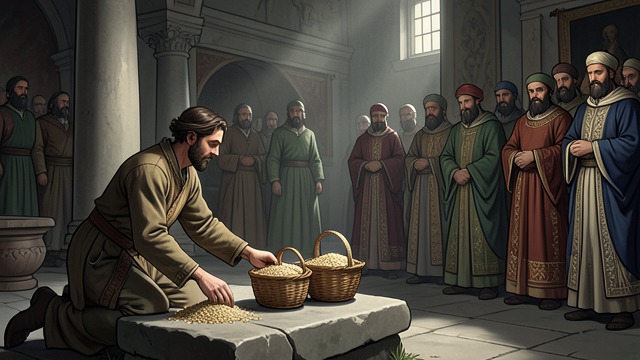
Value Is Not Measured by Quantity
The smallest offering
Decrease says that a sincere offering of two baskets of grain can be enough. Legge reads this as a challenge to judge ritual by its inner purpose rather than its material scale.
A modest act can be fully meaningful.
Sacrifice as a test
The offering represents a broader discipline of reducing excess to restore what is right. Sincerity determines whether the reduction is honest or merely convenient.
The theme begins by distinguishing devotion from display.
The Hungry Need Is Not the Self

Giving Requires Judgment
Assistance given quickly
The first line suspends personal affairs to help another and asks how much the giver should contribute. Legge emphasizes that even generous action requires deliberation.
The gift must be proportionate to the need and the giver's responsibility.
Refusal can also help
The second line advises giving increase to a counterpart without taking from oneself. Maintaining one's position may be the best way to serve.
Sincerity does not mean self-destruction; it means choosing the form of help that actually works.
A Small Sacrifice Is Accepted
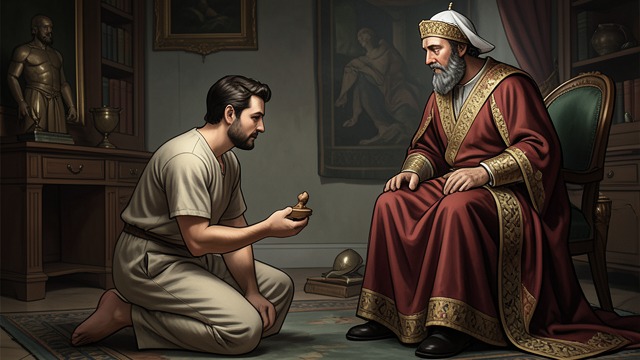
Ritual Welcomes the Devoted
A simple spring offering
The second line says that small offerings at a spring sacrifice are acceptable when there is entire sincerity. Legge connects the image with a person drawn toward the ruler.
The ceremony's value comes from devotion, not costly abundance.
Relationship through trust
The ruler's welcome and the subject's sincerity strengthen one another. The offering becomes a visible expression of a relationship already grounded in commitment.
Ritual matters because it gives inward trust a shared form.
A Grand Sacrifice Is Not Always Best
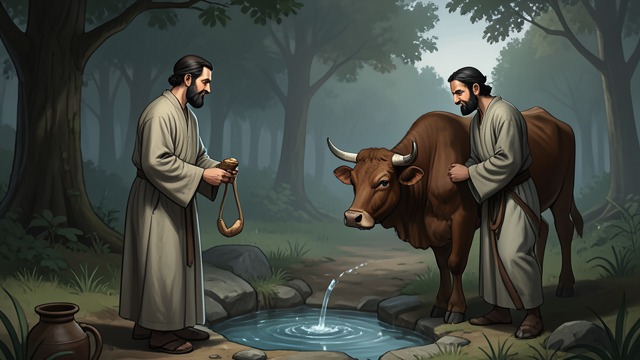
The Better Offering Is Sincere
Two neighbors sacrifice
The fifth line compares a neighbor in the east who slaughters an ox with a neighbor in the west who offers a smaller spring sacrifice. The lesser offering receives the blessing because it carries greater sincerity.
Legge uses the contrast to challenge ritual display.
Material scale loses authority
The more expensive act is not necessarily the more acceptable one. A humble offering can embody a fuller commitment than a grand but less genuine performance.
The theme turns public ceremony into a test of inward character.
Sincerity Makes a Public Bond
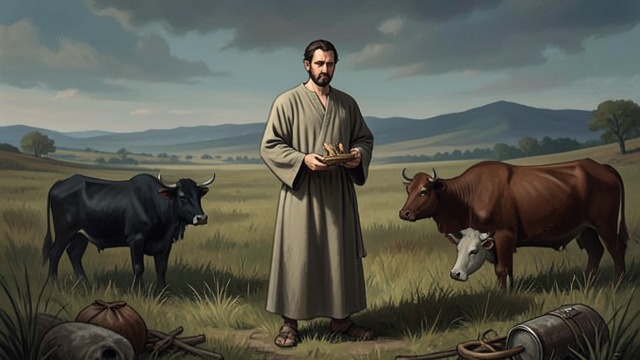
Inner Trust Becomes Communal
From heart to action
Inmost Sincerity presents inward honesty as a force that moves people and even animals. Legge insists that the quality must remain firm and correct.
Private sincerity matters because it shapes public conduct.
No substitute in display
Ritual, speech, and authority cannot create trust when inner purpose is false. The book repeatedly values sincerity over visible scale while still requiring appropriate form.
The theme resolves by joining personal integrity with its effects on a community.
At the opening of Decrease
At the first and second lines of Decrease
At the second line of Gathering Together
At the fifth line of Completion
At the central line of Inmost Sincerity
