
The Classic's Narrow Escape
I ChingThis flow follows the Changes through preservation, cataloguing, and the growth of a large scholarly tradition.
increasing Bearing strength in each event
 decreasing
Bearing strength in each eventdecreasingDivination Shields the Book
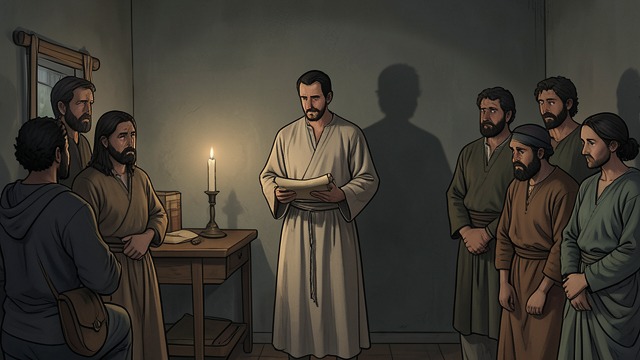
A Dangerous Classification
The order to destroy books
The Qin court's campaign against old literature threatened the transmission of ancient writings. Legge notes that works on divination were among the exceptions.
The Changes survived under a category that marked it as practically useful rather than as forbidden antiquarian learning.
Preservation by accident
Its escape does not prove that officials understood or valued its full range of meanings. A book that later became a philosophical classic was preserved in part because of its divinatory reputation.
The episode shows how political decisions can shape the materials available to later readers.
An Imperial Catalogue Records It
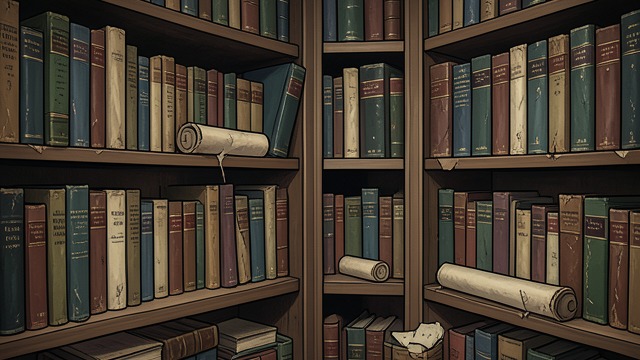
The Classic in the Library
A crowded field
Legge cites a library catalogue listing numerous works and schools concerned with the Changes. The record shows that commentary had already become a substantial intellectual enterprise.
The book was no isolated relic; it had attracted competing interpretive communities.
Transmission as plurality
The catalogue points toward a history in which the classic circulates with many explanations. Preservation of the text and preservation of its interpretations proceed together.
The record prepares the reader for Legge's later survey of scholarly disagreement.
Early Historians Shape Memory

A Life Becomes Evidence
Sima Qian's account
Sima Qian reports that Confucius studied the Changes late in life and composed appendixes. Legge uses this testimony while also testing it against the internal character of the writings.
Historical memory supplies a starting claim, not an unquestionable conclusion.
Tradition and criticism
The account helps explain why Confucian authorship became so influential. Later readers inherited a story about the sage as well as a text.
Legge's method makes the historian's report part of the evidence to be weighed, rather than the last word.
Commentaries Multiply
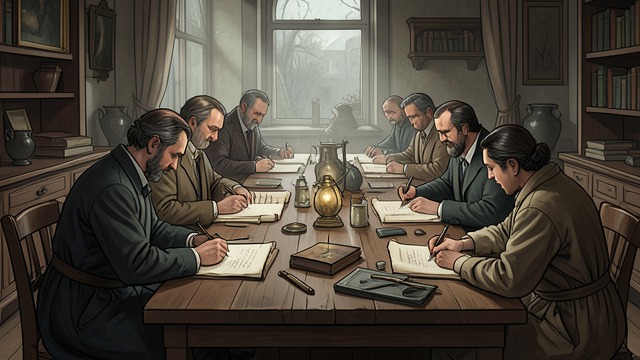
Centuries of Interpretation
A long critical record
Legge points to hundreds of commentators whose explanations span many centuries. Their work demonstrates the sustained importance and difficulty of the classic.
The accumulated tradition offers evidence, arguments, and interpretive habits rather than a single final reading.
Authority and constraint
Legge admires the sophistication of many commentaries but notes that reverence for Confucius could discourage criticism of the appendixes.
The history of scholarship thus contains both intellectual accomplishment and inherited limits.
A Modern Translation Enters the Debate

European Readings
Competing approaches
Legge reviews European translations, including work by Philippe Grégoire Regis and Canon McClatchie. He praises the labor behind earlier scholarship while disputing some interpretations.
His own project is presented as part of an existing conversation, not as the first encounter with the book.
A claim for careful reading
Legge rejects both excessive literalism and speculative systems imposed on the text. He argues that readers should distinguish the core text from later commentary.
The transmission story continues in translation, where new languages create new possibilities and new distortions.
213 BC
Around the beginning of the Christian era
Han dynasty
From the second century BC through the seventeenth century
Nineteenth century
