
Justice and Revenge
Impure BloodThis flow traces the boundary between accountability for historical harm and the escalating violence of private revenge.
increasing Bearing strength in each event
 decreasing
Bearing strength in each eventdecreasingA Historical Wrong
A Historical Wrong
Collaboration and consequence
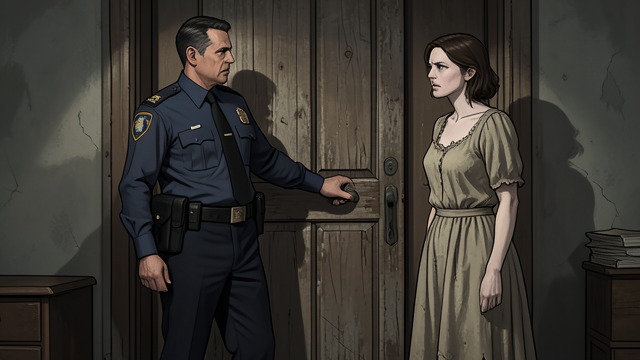
The records and testimony establish that police work contributed to the arrest and deportation of Jewish families. Vincent’s betrayal of Adam Djourescu adds an individual act of ambition to the wider system of persecution.
No easy repair
The past cannot be reduced to one person’s guilt, but neither can it be dismissed as something everyone simply endured. The story asks how institutions and individuals account for harm when the victims and witnesses are no longer present.
A Second Chance Denied
A Second Chance Denied
A crime without a trial
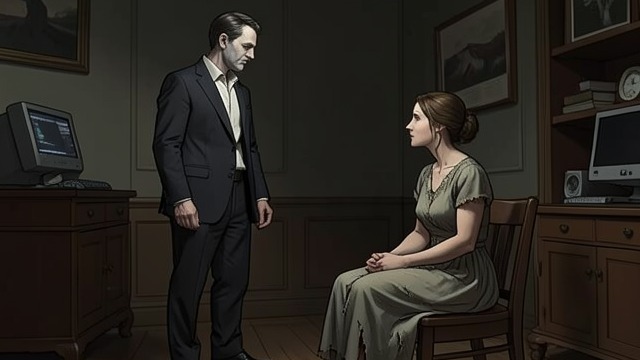
Florian is killed before police can establish what he has done or who enabled him. The emerging evidence indicates that children were abused, making the victim’s guilt real but incomplete as a description of the case.
The danger of certainty
The urge to treat murder as deserved punishment would obscure the victims and the larger network. The investigation insists on establishing responsibility through evidence rather than allowing moral outrage to decide guilt by itself.
The Avenger’s Theory
The Avenger’s Theory
Suffering converted into purpose
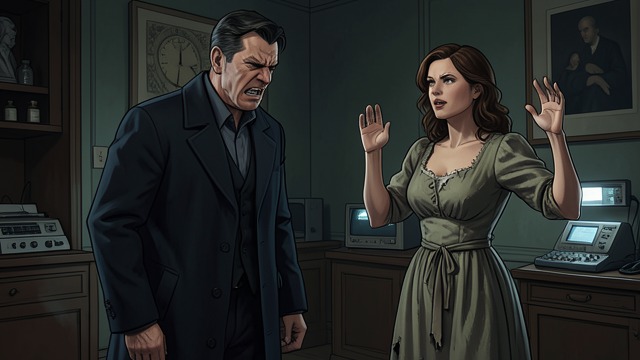
David Jarret frames his crimes as a response to the suffering of his grandparents. He treats personal revenge as a form of historical justice and uses the Dantiers as substitutes for the people who caused the original harm.
A corrupted remedy
Jarret’s violence does not restore the dead or correct the historical record. It adds new victims and repeats the coercion and degradation he claims to condemn.
Delage’s Complicity

Delage’s Complicity
A survivor’s anger
Corinne Delage’s origins connect her to the persecution that destroyed the Djourescu family. She participates in Jarret’s plan and takes satisfaction in the Dantiers’ humiliation.
Explanation is not absolution
Her history deepens the reader’s understanding of her grievance but does not remove her responsibility for helping abduct and abuse people. The novel keeps compassion for a survivor distinct from approval of her actions.
Law After the Rescue
Law After the Rescue
Investigation continues
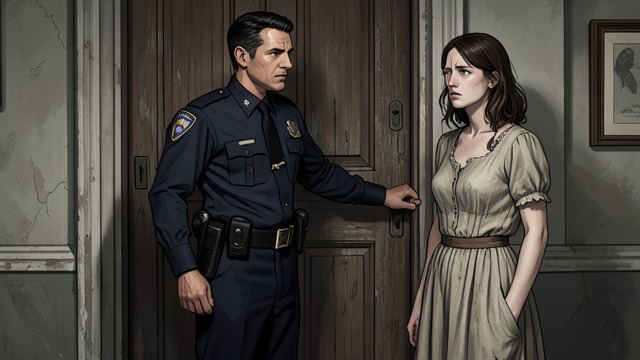
The rescue ends the immediate threat but does not settle every question of responsibility. The assault network, the historical betrayal, and Darac’s own conduct require separate forms of accountability.
Justice as restraint
The police must continue to distinguish evidence from sympathy, and criminal process from vengeance. The story’s moral resolution is not a declaration that wrongs are balanced, but a commitment to pursue them without becoming another instrument of retaliation.
1942–1943, reconstructed in the present
3 July, during Florian’s murder
5 July, early afternoon
5 July, during the captivity
9 July, after the rescue
