“Knowledge is power”
Impure Blood“Knowledge is power” becomes more than a familiar maxim in captivity: Agnès Dantier invokes it to redirect Vincent Dantier from regret toward observation, treating what they can learn about their captors as a resource that may help them survive.
The Maxim in Captivity
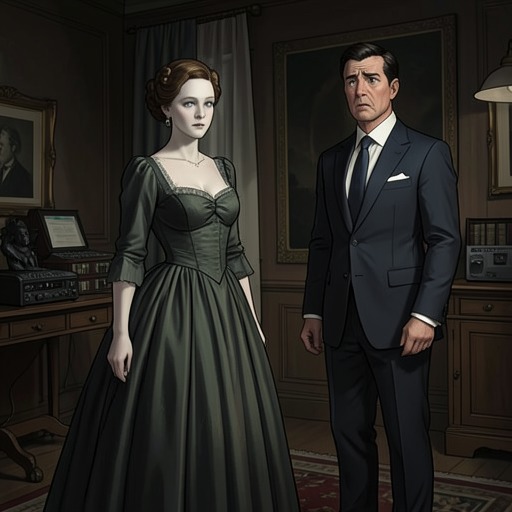
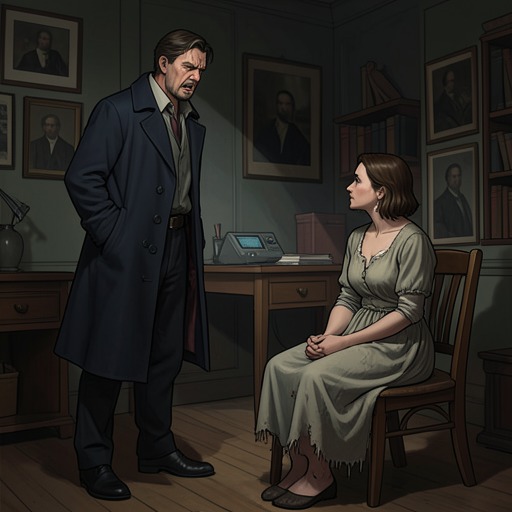
Vincent regrets that Agnès joined the Brigade, believing her career has brought her to this danger. She rejects the idea that he was responsible: she chose to join, and calls it the best move she ever made. Her answer turns their attention away from blame and toward what they can do next.
Agnès reminds him of his own teaching by prompting him to complete the phrase, “Knowledge is…?” She lets him supply the answer, “Knowledge is power.” The exchange makes the expression theirs in a specific way: it is not abstract encouragement but a principle Vincent has taught and can now recognize in practice.
From Regret to Useful Information
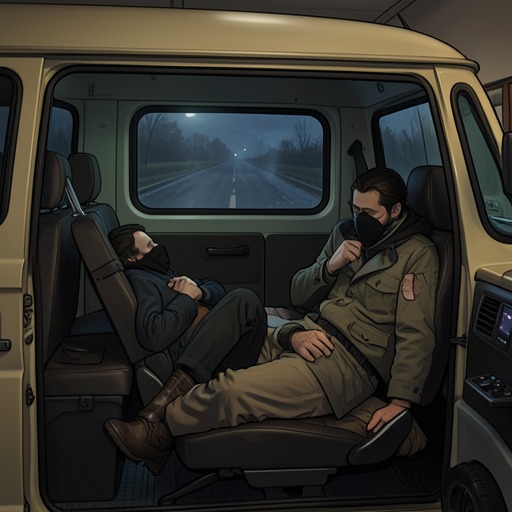
Agnès immediately applies the maxim to their circumstances. She proposes that they think about the people who might have taken them, explaining that the information could help later. When Vincent asks how, she clarifies the point: they may find themselves in a position to use the power that knowledge gives them.
The expression therefore marks a shift in their conversation. Vincent’s regret focuses on the past and on his imagined responsibility for Agnès’s decision; Agnès insists that she made her own choice, then directs them both toward the possible uses of what they can learn. Knowledge offers no promise of immediate escape, but it gives the captives a way to reason about future opportunities.
Shared Resolve
Agnès’s reminder of “We go forwards” reinforces the maxim’s practical force. Together, the two ideas oppose paralysis: they acknowledge the danger without allowing regret to end the discussion. Vincent’s sheepish response suggests that the prompt has brought him back into the exchange, while his subsequent request to go to the toilet briefly returns the scene to the bodily particulars of captivity. The maxim stands within that unheroic reality as a modest, usable resource: attention to their captors may matter if circumstances give them a chance to act.