The Boards’ zombification
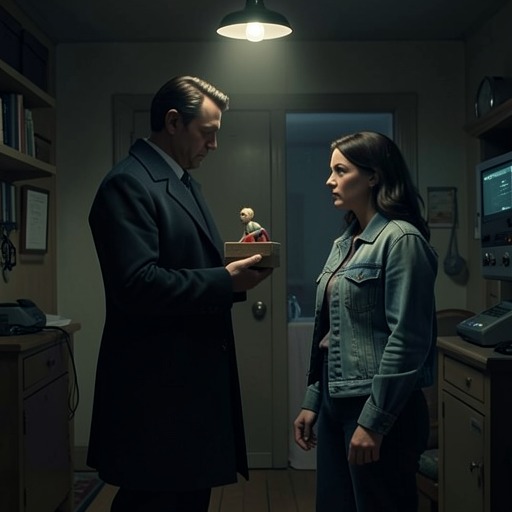
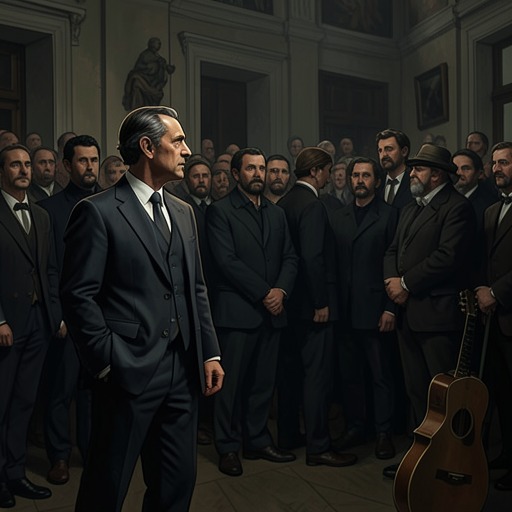
Inherent ViceThe Boards’ zombification is the band’s apparent undead condition, a label that turns a once-living musical group into an object of suspicion and fear. The story later reports that an exorcist has officially dezombified the band and its house, but the reversal is not a simple return to normal: Coy allows that the group may still be confused, and he is only working toward playing with them again. The condition and its cure make zombification both a comic metaphor for compromised agency and a practical question of who gets to define another person’s state.
The Band and the Zombie Label
The Boards are a surf band whose members and music are discussed through the language of zombification. When someone remarks that even Doc thinks they are zombies, Doc accepts the possibility but resists treating it as a moral verdict. He jokes that zombies cannot necessarily be blamed for their condition, since no guidance counselors are offering career advice to the undead. The humor shifts attention away from simple blame: being called a zombie may describe a damaged or altered state, but it does not explain how anyone arrived there.
The label also travels through the band’s social world as a shorthand for something wrong with both the musicians and their surroundings. Scott answers the image with a joke about being advised to go into real estate, while Denis insists that Scott’s mother is not a zombie. Their exchange leaves the term suspended between supernatural horror and ordinary social criticism. It can describe a person who seems drained of independent life, yet the scene refuses to make that description precise or final.
A Condition Attributed to Outside Forces
The later account of the cure gives the condition a collective setting. Coy says the women around the band could no longer tolerate the situation, so they pooled their money and hired an exorcist, a Buddhist priest from a temple downtown. The intervention covered both the Boards and the house, linking the band’s condition to the place where they lived and worked rather than treating it as a problem located only in individual members.
The priest’s visit becomes an organized remedy rather than a private revelation. After performing the exorcism, he receives a maintenance contract to conduct regular psychic perimeter checks. The arrangement is deliberately comic in its mixture of spiritual intervention and ongoing service, but it also shows that the supposed cure does not end the need for vigilance. The band’s restored state must be watched over and maintained.
Recovery Without a Clean Return
When Doc asks whether the Boards are no longer evil, Coy answers that they may be confused now and then, adding that he knows no band that is not. The exchange replaces the stark division between evil and cured with a more provisional account: the group may be out of its former condition without becoming perfectly clear or reliable. Zombification is not presented as a switch that can simply be turned off.
Coy’s own relation to the band remains unfinished. Asked whether he is playing with them again, he says he is working on it. That answer marks a possible return, not a completed reunion. The difference matters: the reported exorcism changes the status of the band and its house, but it does not by itself restore every personal or musical connection that the condition has disrupted.
Zombification as a Figure of Managed Agency
Doc’s joke about the absence of guidance counselors for the undead gives the episode its sharpest interpretive edge. It invites sympathy for people whose conduct or condition appears compromised, without claiming that the label fully accounts for them. The story’s language of zombification can be read alongside Coy’s account of recruitment by Vigilant California: he explains that its organizers recognized his addictive personality and expected his commitment to informing to become as difficult to break as heroin. In both contexts, altered agency is treated as something that can be induced, named, and managed by others.
The comparison does not equate the Boards’ condition with Coy’s political work; the book does not establish that the same mechanism caused both. Instead, their juxtaposition makes the word zombie resonate beyond the supernatural joke. It names the fear that a person or group may continue to move through the world while no longer fully directing their own life. The exorcism’s maintenance contract then darkens the comedy: even a claimed restoration of agency arrives with continuing checks on the perimeter.