
Low Flight and Self-Reliance
Jonathan Livingston SeagullJonathan’s early experiments with low flight lead from family concern to new methods of survival beyond the fishing boats.
increasing Bearing strength in each event
 decreasing
Bearing strength in each eventdecreasingGliding Near Water
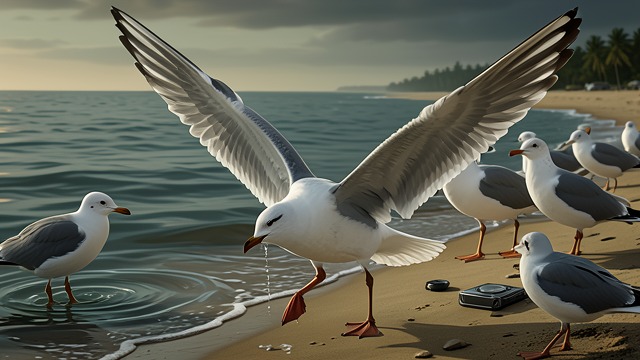
A Low-Level Experiment
Observing Efficiency
Jonathan discovers that flying close to the sea lets him stay aloft longer with less effort.
Unusual Landings
His flat approaches and feet-up beach landings make visible a curiosity that other gulls regard as needless and alarming.
A Mother’s Concern
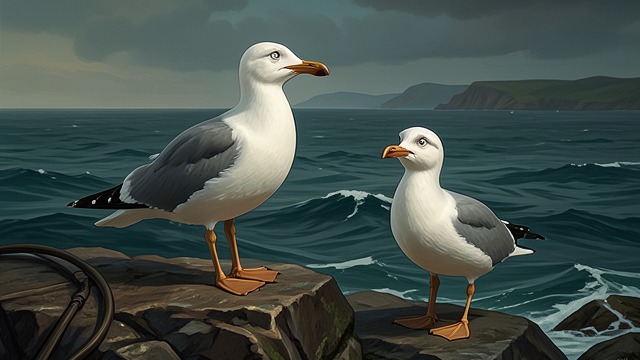
Family Unease
A Question of Belonging
Jonathan’s mother asks why he cannot behave like the rest of the flock and worries that he is becoming too thin.
Different Priorities
His answer is modest: he wants to know what he can do in the air. The gap between care and understanding becomes apparent.
A Father’s Advice
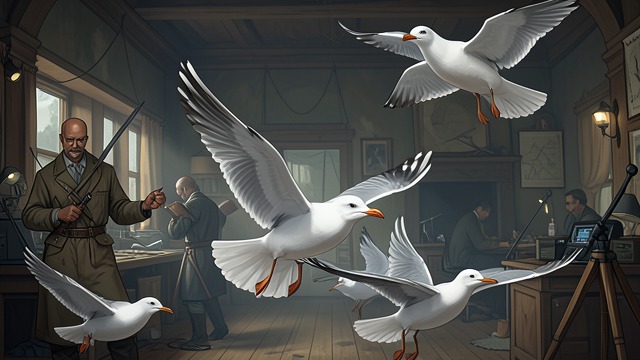
Survival First
Practical Counsel
Jonathan’s father urges him to study food as winter approaches and reminds him that flying cannot itself be eaten.
The Son’s Compromise
Jonathan tries the flock’s routine, but the effort cannot displace his desire to learn. Obedience proves temporary rather than transformative.
New Food Sources
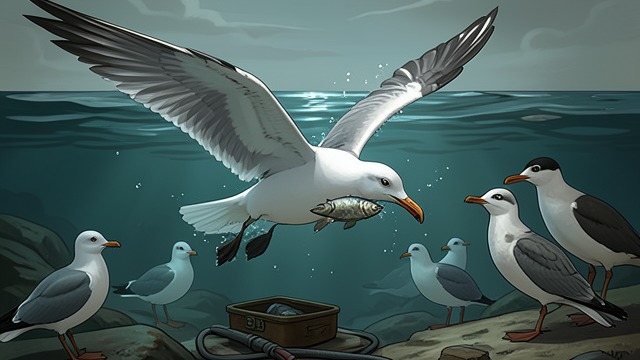
Skill Changes Survival
Diving Below the Surface
A streamlined dive lets Jonathan find fish schooling beneath the sea, reducing his dependence on boats and scraps.
Independence Earned
The experiment-driven life that once seemed impractical now gives him direct access to food and greater freedom of movement.
Life Beyond the Boats
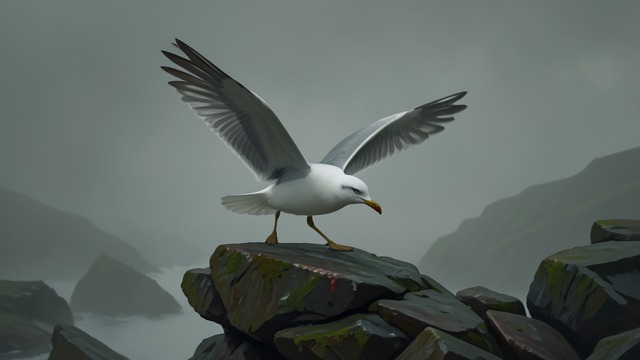
A Wider Foraging Range
Mastery of Conditions
Jonathan sleeps in the air, crosses fog, and rides high winds inland to feed on insects.
Changed Meaning
His early interest in efficient flight has become a self-sufficient way of life. Knowledge that the flock rejected now answers its practical concerns in unexpected ways.
early in the story
after the first low-flight trials
during the early winter warning
during Jonathan’s exile
later in Jonathan’s exile
