
Death, Memory, and the Night
Journey to the End of the NightThis flow traces the novel’s movement from immediate fear of death toward a final recognition of loss, memory, and the limits of consolation.
increasing Bearing strength in each event
 decreasing
Bearing strength in each eventdecreasingDeath Becomes Visible
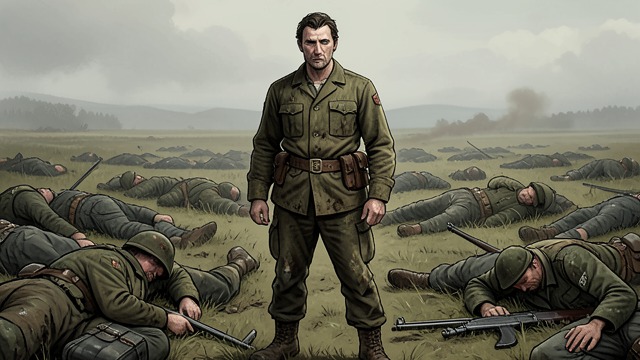
Death Becomes Visible
An imagined catastrophe
Bardamu’s imagination turns the battlefield into an overwhelming field of possible deaths. He cannot treat mortality as a distant abstraction.
Fear as knowledge
His terror does not make him brave, but it gives him a clear view of what military heroism demands. The knowledge isolates him from those who can participate more easily.
Anonymous Dead
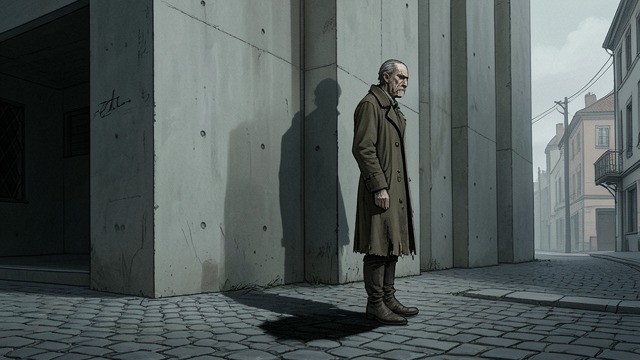
Anonymous Dead
Names forgotten
Bardamu asks whether anyone will remember the soldiers killed in earlier wars. He concludes that most die without leaving a meaningful trace in public memory.
Futility without consolation
The dead are celebrated briefly, then absorbed into history’s silence. Their anonymity challenges the idea that patriotic sacrifice guarantees lasting significance.
The Dead Above Paris
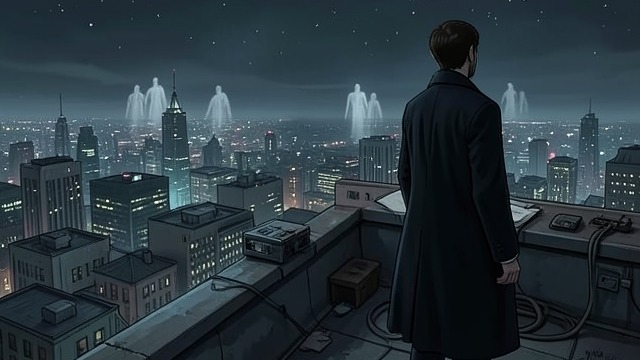
The Dead Above Paris
A vision of the lost
Bardamu imagines the dead gathering above the city, including people he has encountered across war, Africa, and Rancy. The vision gathers scattered memories into a nocturnal procession.
Memory becomes spectacle
The imagined assembly gives the forgotten a temporary presence, but it cannot restore them. The dead remain part of a world that has already moved beyond them.
The End of the Rancy Past
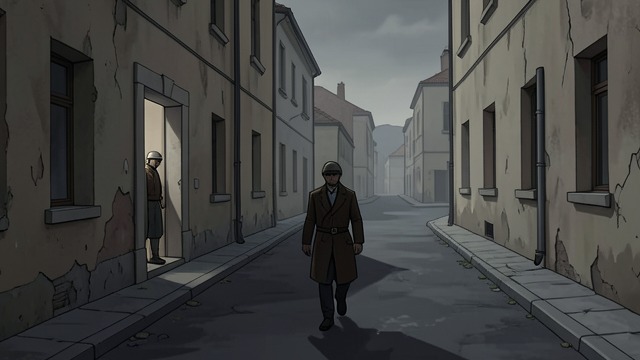
The End of the Rancy Past
Familiar places emptied
Bardamu revisits streets and rooms associated with former patients and neighbors. The places remain, but their connection to him has weakened.
The past cannot answer
He leaves without waking Bézin or entering the old lodge. Memory has preserved images but not a living community to which he can return.
The River’s Departure
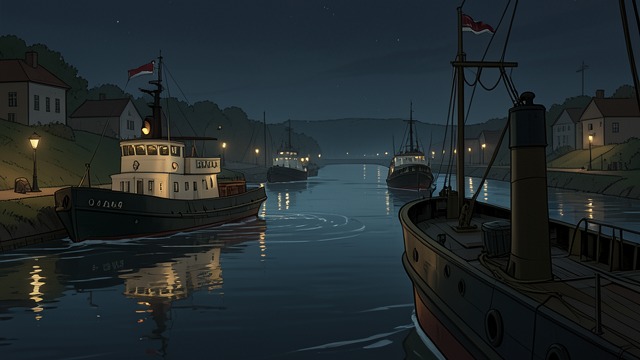
The River’s Departure
A final sound
After Robinson’s death, Bardamu hears the tugboat calling barges through the locks. The working river continues to carry people and landscape onward.
No arrival promised
The sound suggests movement rather than resolution. Bardamu remains alive, but the journey offers no final refuge from mortality or human indifference.
During Bardamu’s first encounter with battlefield fire
During Bardamu’s wartime reflection on fallen soldiers
During Bardamu’s night with Tania
During Bardamu’s later night walk through Rancy
At the novel’s closing movement
