
The War’s Civic Theater
Journey to the End of the NightThis flow tracks the conflict between lived fear and public performances of patriotism, from enlistment through the home front and military hospital.
increasing Bearing strength in each event
 decreasing
Bearing strength in each eventdecreasingA Regiment in the Street
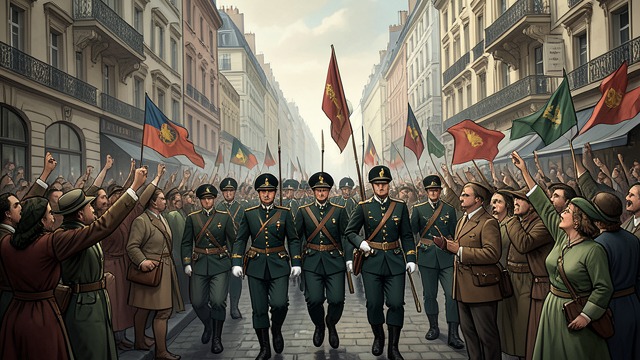
A Regiment in the Street
Spectators become participants
Civilians cheer as a regiment marches through Paris, making enlistment appear like a public celebration. Bardamu’s impulsive decision is partly shaped by that spectacle.
The crowd disappears
As the march leaves the city, the cheering fades and the soldiers are left alone. The abrupt change exposes patriotism as a performance that does not accompany men into danger.
The Colonels’ Authority
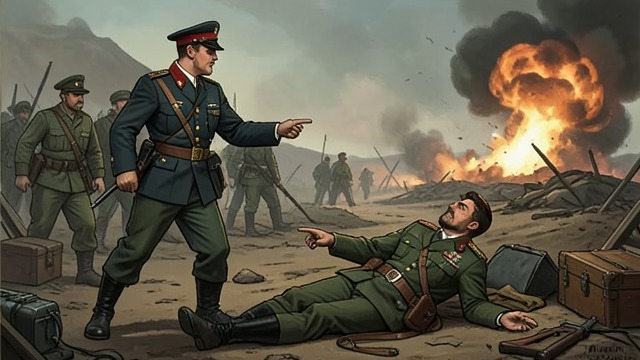
The Colonels’ Authority
Command without doubt
The colonel treats fire as a normal condition and continues issuing orders. Bardamu sees that institutional authority does not require understanding the human cost.
A shell breaks the scene
The colonel dies in a sudden explosion, along with the messenger. The abrupt violence overturns the appearance of command without ending the military machinery.
The Home Front’s Heroism
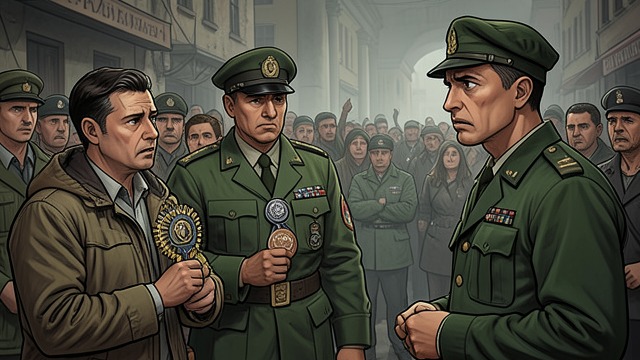
The Home Front’s Heroism
Courage for others
Civilians celebrate medals and demand sacrifice while remaining distant from battlefield danger. Bardamu sees their enthusiasm as a way of arranging war into a comforting story.
A refusal of the script
He cannot perform the expected confidence. His fear becomes a scandal because public opinion treats refusal as moral failure.
Hospital Patriotism
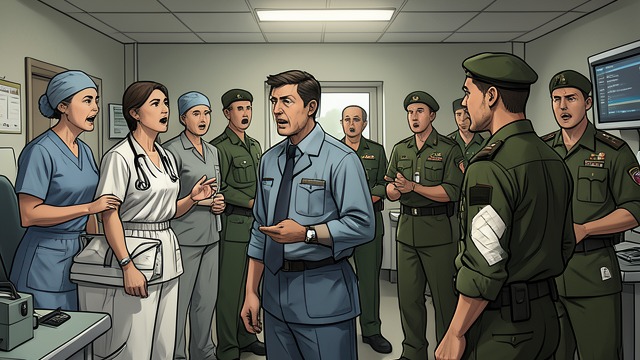
Hospital Patriotism
Reconditioning the wounded
Medical staff encourage soldiers to display renewed zeal and return to the front. Treatment is joined to patriotic instruction and institutional surveillance.
Performance as protection
Patients imitate heroic language because it improves their standing and may delay punishment. Their act reveals how survival requires cooperation with the story they privately reject.
A Speech That Saves
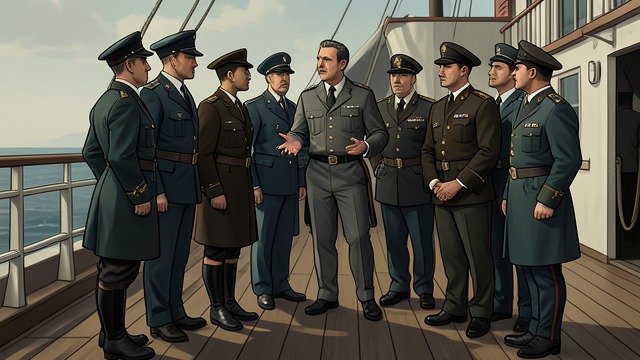
A Speech That Saves
An accusation at sea
Colonial officers prepare to attack Bardamu because they believe he has insulted them. Faced with violence, he praises their military virtues and invokes France.
Survival through performance
His sudden patriotic performance disarms the group long enough for him to escape. The episode shows that the language he distrusts can still function as a tool of survival.
Before Bardamu’s first deployment
During the first weeks at the front
During Bardamu’s Paris convalescence
During Bardamu’s observation and treatment
During the voyage aboard the Admiral Bragueton
