
The Colonial Trading Post
Journey to the End of the NightThis flow traces the colony’s commercial and administrative machinery through the unequal labor, petty rivalries, and private kindness Bardamu witnesses.
increasing Bearing strength in each event
 decreasing
Bearing strength in each eventdecreasingA Company Appointment
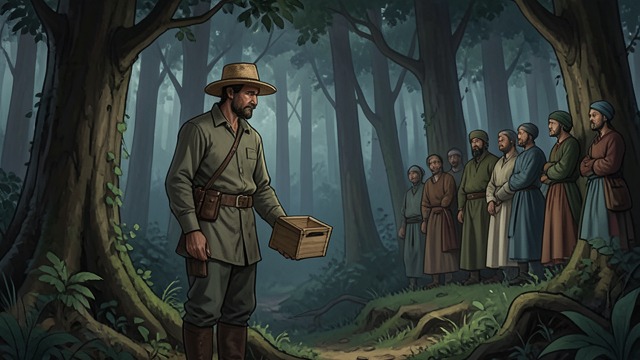
A Company Appointment
A job in the bush
The Director sends Bardamu to Bikomimbo to replace an employee accused of dishonesty. The assignment is presented as routine business despite its isolation and danger.
Commercial suspicion
Company officials assume that workers will steal and be stolen from. Bardamu enters an economy where the employer’s authority is backed by threats rather than meaningful support.
Alcide’s Hidden Sacrifice
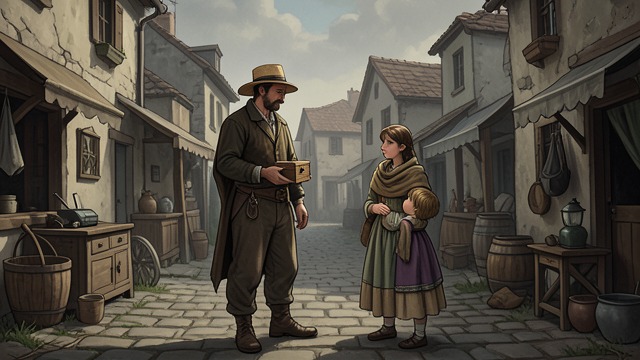
Alcide’s Hidden Sacrifice
A private obligation
Bardamu discovers that Alcide has stayed in Topo for years to support his niece Ginette. He saves from his meager earnings for her education and medical care.
Quiet generosity
Alcide’s sacrifice contrasts with the greed and cruelty surrounding him. The revelation forces Bardamu to recognize a kindness he had failed to perceive.
Grappa’s Colonial Court
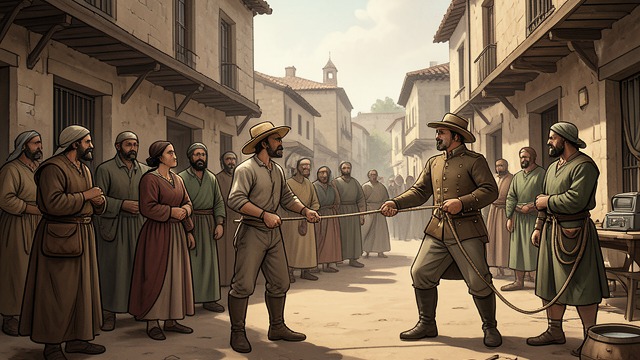
Grappa’s Colonial Court
Justice as beating
Lieutenant Grappa settles local disputes with corporal punishment, including the public whipping of an old man. The procedure replaces understanding with force.
A colonial order
Bardamu sees that the court serves the authority of the colonial post rather than the people who appear before it. The ritual makes domination look administrative.
The Rubber Transaction
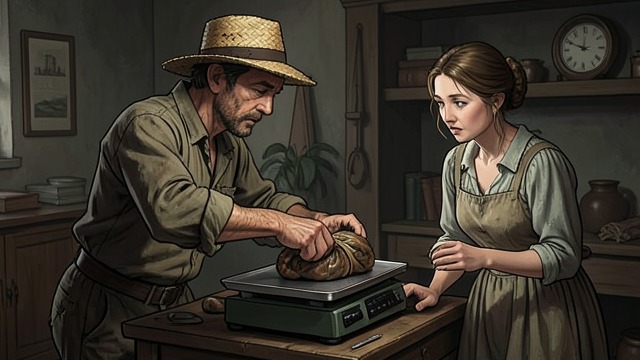
The Rubber Transaction
Coerced trade
Company agents weigh a family’s rubber and exchange its value for a cheap handkerchief. The transaction is presented as business despite the family’s obvious confusion and unequal position.
Labor converted to profit
Bardamu sees how company rules turn forced labor and taxation into a commercial routine. The scene links colonial violence to everyday bookkeeping.
The Colony’s Attrition
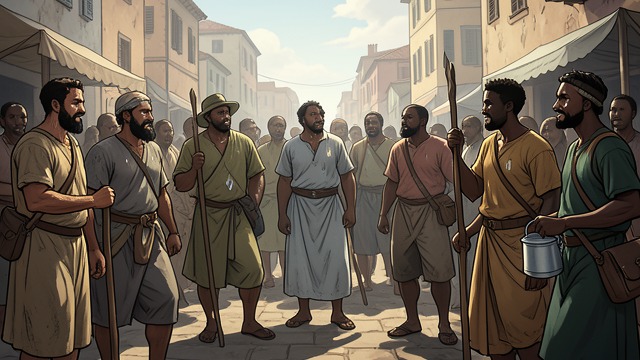
The Colony’s Attrition
Bodies under climate
Heat, malaria, insects, and bad water steadily weaken Europeans and Africans alike, though their social positions remain unequal. The environment magnifies the colony’s existing exploitation.
No lasting mastery
Officials and traders imagine themselves rulers, but disease and decay erode their authority. The colonial project appears less like conquest than a slow consumption of bodies.
After Bardamu arrives in Fort-Gono
During Bardamu’s stay at Topo
During Bardamu’s weeks at Topo
During Bardamu’s work in the company warehouse
During Bardamu’s months in the tropics
