Professor Bestombes
Journey to the End of the NightProfessor Bestombes directs a wartime hospital where wounded soldiers are observed, treated, and pressed to demonstrate renewed patriotism. A newly promoted medical major with a carefully cultivated manner of benevolence, he couples electrical treatments with patriotic instruction and interprets doubt as evidence of recovery. Under his leadership, the hospital becomes both a medical institution and a stage on which patients rehearse the heroism that may send them back to the front.
Identity and Institution
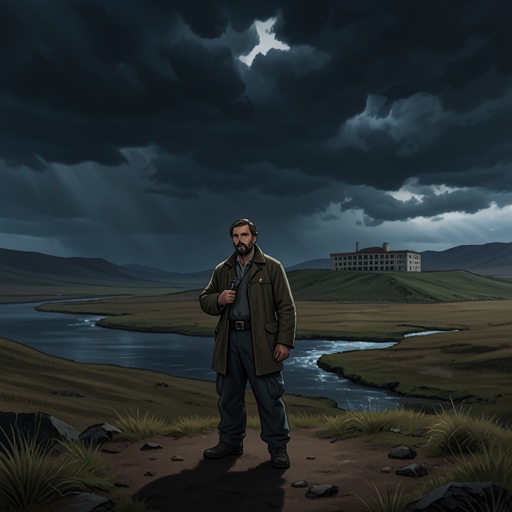
Bestombes is introduced as a newly promoted major in a clean, recently opened hospital housed in a bastion. The facility has six metal beds in a building so new that electricity has not yet been installed. He arrives cordial and pleased with his position, while a group of volunteer nurses attend to him and respond warmly to his speech and manner. His authority is medical and military at once: he oversees patients whose patriotism is considered impaired and whose eventual destinations may include the front or an asylum.
The hospital’s polished atmosphere does not remove the pressure surrounding its patients. They feel watched by staff, and the paperwork, identifying tags, and precautions associated with their leave make them feel counted and prepared for reassignment. Bestombes’s institution offers relative comfort, but its central purpose is to restore men to military service. His gentle manner thus operates within a system that treats treatment as a route back to danger.
Treatment and Patriotic Instruction
Bestombes installs an assortment of electrical machines that periodically give the patients shocks. He claims these treatments have a tonic effect, and patients must submit to them or risk expulsion. The narrator also regards the equipment as expensive and connects Bestombes’s apparent wealth to his father-in-law’s political influence and dealings in government land. The hospital’s scientific display therefore sits alongside the social privilege that helps sustain it.
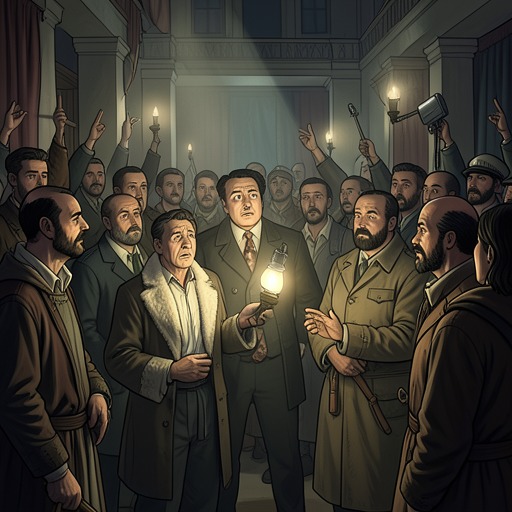
At the patients’ first meeting, Bestombes takes charge of morale and explains how they can most quickly return to the trenches. His address presents France as a woman relying on her sons, invokes the defense of national territory, and calls on the patients to fulfill their duty. He assures them that the hospital’s science will be devoted to curing them, while making clear that the desired outcome is their return to the front. The nurses’ emotional responses lend the speech a theatrical setting: one is moved to tears because her fiancé has gone to the navy, and her companions comfort her after Bestombes has finished speaking.
The narrator hears the address differently from the doctor’s intended audience. Rather than stirring him toward sacrifice, it helps disgust him with the prospect of dying. He sees the hospital’s reassuring language as inseparable from the machinery that counts and sends soldiers back into danger. Bestombes does not speak openly of death, yet the patients read its threat in the documents they sign and in the precautions surrounding their movements.
Managing the Patients’ Conduct
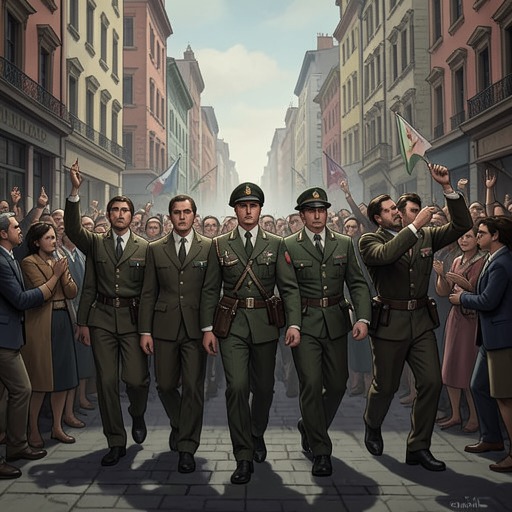
Bestombes monitors the patients’ behavior and treats signs of distress as indications of improvement. After a week in the hospital, the men recognize that they must change how they appear. They imitate Sergeant Branledore, whose repeated cries of victory and carefully maintained optimism have won him the nurses’ sympathy. The patients transform themselves from frightened men into a swaggering group whose loud, obscene talk performs the bravery expected of soldiers. Their act takes a further week or two of rehearsal to become convincing.
When Bestombes observes this apparent improvement, he permits visitors, beginning with the patients’ parents. Later he welcomes prominent visitors, and the hospital acquires a reputation as a center of patriotic enthusiasm. His response makes clear that outward conduct carries institutional weight: a convincing display of morale earns privileges and attention, whether or not it reflects a change in what the patients fear.
The narrator eventually tells Bestombes that he finds it difficult, in body and mind, to become as brave as circumstances demand. Bestombes welcomes the admission as an encouraging sign. He recasts the confession as a recognized stage in psychological recovery, invoking earlier medical writing and interpreting the narrator’s anxiety as something that will give way to liberation. The treatment of doubt is therefore circular: a patient’s admission that he cannot become brave is taken as proof that he is getting better.
Bestombes sums up his method as electricity for the body and large doses of patriotic ethics for the mind. He treats physical intervention and patriotic instruction as complementary therapies, with military loyalty serving as the intended psychological cure. His scientific vocabulary gives institutional authority to a program that defines health by readiness to resume combat.
Publicity and Heroic Performance
As the patients become more presentable, Bestombes’s hospital attracts socialites and political figures, including bishops, an Italian duchess, a munitions magnate, and performers from the Opéra and Comédie-Française. A young actress visits the narrator and asks about his military exploits. He invents a series of poignant details, and she proposes that a poet turn the most moving passages into verse. Bestombes approves the project and grants an interview to an illustrated national weekly; a photographer records the group on the hospital steps, with the actress beside the narrator.
Bestombes presents the proposed collaboration as evidence that the hospital is contributing to a new patriotic art. He praises the epic and the creation of a renewed national spirit through battle, making the narrator’s invented exploits part of the institution’s public story. The performance spreads beyond the ward: patients compete to embellish their military histories, and Sergeant Branledore becomes the narrator’s rival after he is left out of the photograph. The accounts grow increasingly extravagant even as the men beneath them remain frightened.
Bestombes is therefore not merely a doctor treating individuals; he is also the organizer and public representative of a display of military recovery. He turns patients’ conduct and stories into proof of institutional success, while their own motives—fear, rivalry, and the wish to avoid disgrace—remain at odds with the heroic image promoted around them.
Narrative Role and Significance
Bestombes embodies the overlap between medicine, military discipline, and public persuasion. The hospital offers care, observation, and the appearance of kindness, but its standards of improvement point toward renewed service at the front. Patients are watched, evaluated, subjected to treatment, encouraged to perform morale, and eventually made into material for patriotic publicity. Bestombes’s pleasant manner does not cancel this coercive direction; it helps make the institutional demand appear humane.
The character’s central irony lies in his confidence that patriotic belief can be administered as treatment. His methods convert fear into a symptom, confession into progress, and invented exploits into public evidence of recovery. Through Bestombes, the narrative shows how a medical institution can stage heroism without resolving the terror beneath it—and how the language of care can become a means of returning vulnerable bodies to war.