
The Political Rupture of 1947
JudasThis thread follows Abravanel’s dissent from Zionist leadership as political disagreement hardens into expulsion and isolation.
increasing Bearing strength in each event
 decreasing
Bearing strength in each eventdecreasingA Minority Voice
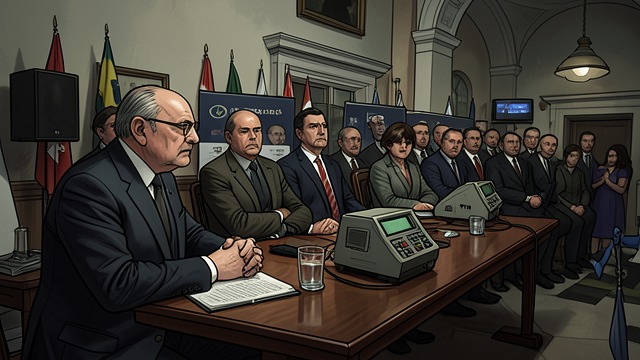
A Request to Be Heard
Independent Testimony
Abravanel asks to present his own account of Jewish-Arab relations to the United Nations committee.
Organizational Discipline
The leadership refuses, insisting that it must speak with a single voice.
His first defeat is procedural, but it exposes the limits placed on internal dissent.
The Partition Question
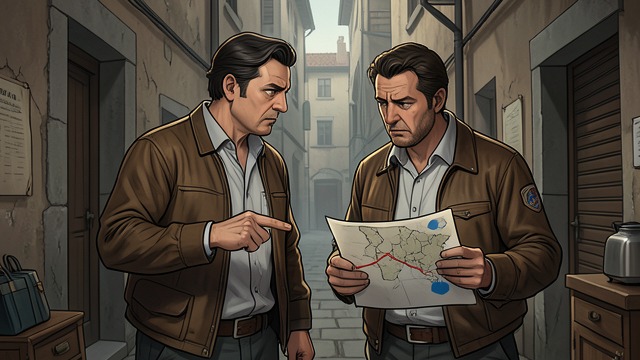
A Dividing Decision
Opposed Futures
Abravanel rejects partition and statehood, while the leadership moves toward political sovereignty.
A Narrowing Space
He believes Jewish and Arab communities could share the country; his colleagues see the proposal as dangerously unrealistic.
The disagreement concerns not only borders but what kind of political future can be imagined.
Expulsion and Silence
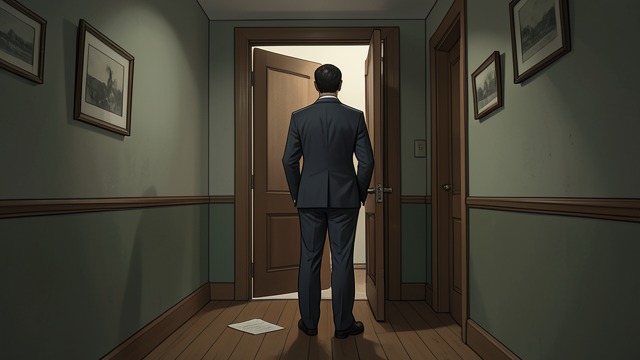
The Dissenter Removed
Removal
Abravanel is expelled from the Zionist Executive Committee and the Jewish Agency leadership.
Public Erasure
His resignation letter disappears from public view, and he refuses to make a public campaign of his case.
Political defeat becomes private isolation.
War Makes the Choice
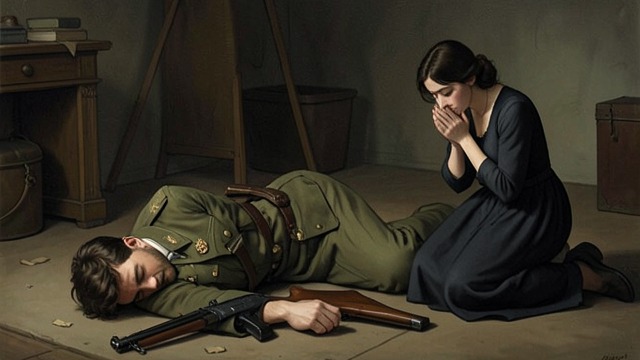
Prediction Becomes Tragedy
Armed Conflict
The political dispute is overtaken by war and the struggle to secure the new state.
Mija’s Death
Mija joins the fighting and dies near Bab al-Wad, devastating both Wald and Atalia.
The human loss silences arguments without proving either political vision in full.
A Household After Defeat
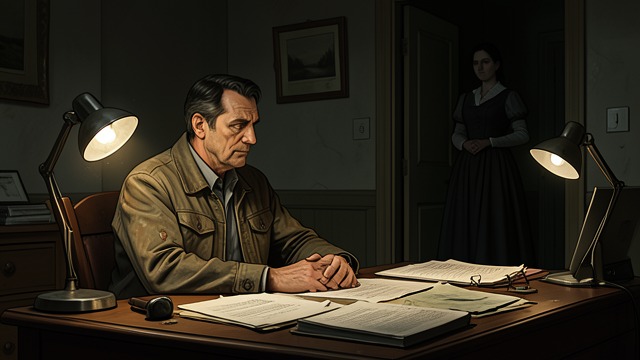
The End of Public Debate
Retreat
Abravanel remains in the house, cuts contact with the outside world, and destroys his writings.
Afterlife of the Dispute
Wald later recalls his arguments, while Atalia carries their consequences in anger and grief.
The political conflict persists as family silence and competing memories.
June 1947
Late 1947
December 1947
Late 1947 to 1948
The years following the war
