
Wald and Shaltiel’s Broken Friendship
JudasThis thread traces an intellectual friendship from political disagreement through Mija’s death to years of silence.
increasing Bearing strength in each event
 decreasing
Bearing strength in each eventdecreasingA Shared Household
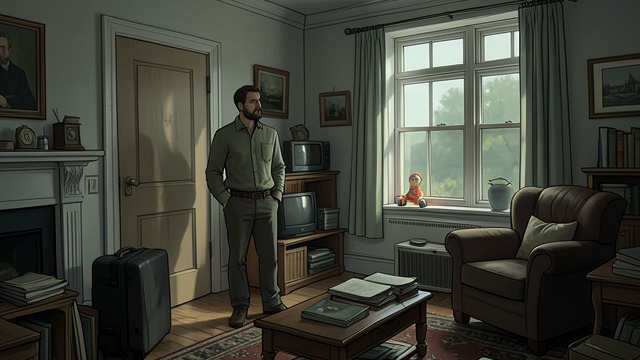
An Unusual Domestic Arrangement
Invitation
Shaltiel Abravanel invites Wald to live in his house after the young couple marries.
Hope of Family
Wald imagines that they may share a home and perhaps raise grandchildren together.
The arrangement begins in friendship and an expectation of a future that never arrives.
Arguments About Statehood
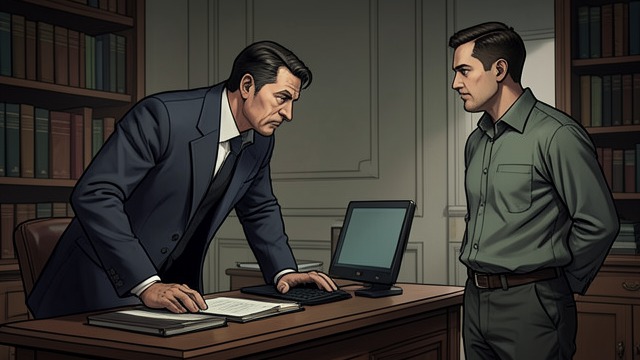
Two Political Visions
Abravanel’s View
Shaltiel argues for shared Jewish-Arab life and warns against a separate state.
Wald’s View
Wald believes confrontation is unavoidable and supports building the capacity to defend the Jewish community.
Their friendship survives disagreement, but it rests on incompatible judgments about the future.
Mija’s Death Silences Them
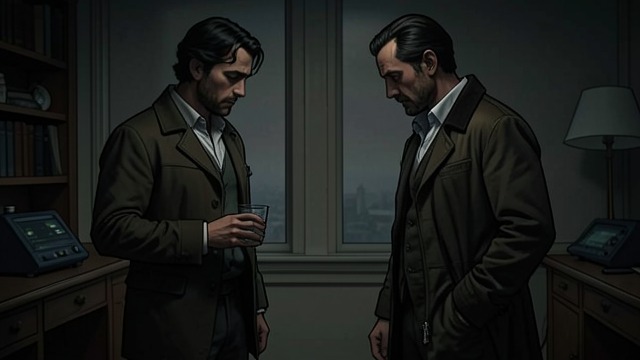
The Argument Stops
Shared Loss
Mija’s death devastates Wald and leaves Abravanel and Atalia grieving in the same house.
Muted Friendship
Wald says the tragedy ended their arguments; their former disagreements no longer find words.
Silence becomes the form their damaged friendship can still share.
A Political Refugee at Home
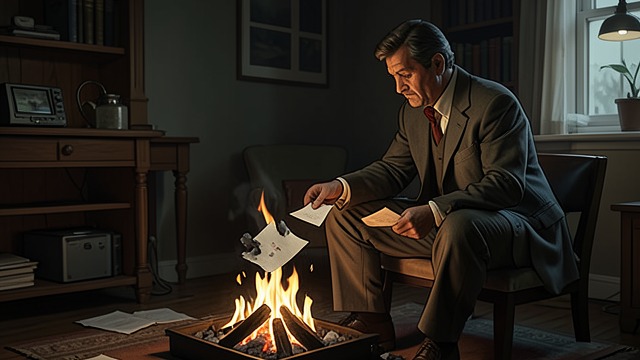
Abravanel’s Withdrawal
Isolation
Abravanel stops engaging with public life and destroys the papers that might explain his views.
Wald’s Regret
Wald later admits he chose not to argue with him, believing the distance between them too great.
The friendship’s failure is measured not in a final quarrel but in conversations never resumed.
Remembering a Brother
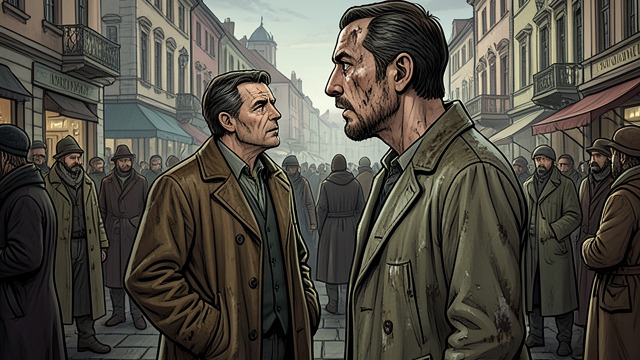
The Last Defense
Recollection
Wald describes Abravanel as an honest, brave man whom he loved like a brother.
Unresolved Judgment
He still doubts Abravanel’s political hopes, yet resents the ease with which the public dismissed him as a traitor.
Memory repairs some tenderness but cannot settle their disagreement.
After Mija and Atalia marry
The late 1940s before Mija’s death
After April 2, 1948
The years after the war
Late winter 1959–1960
