
The Archive and the Private Investigator
JudasThis thread follows parallel inquiries: Shmuel searches public archives for Abravanel while Atalia investigates people for a living.
increasing Bearing strength in each event
 decreasing
Bearing strength in each eventdecreasingShmuel Becomes an Investigator
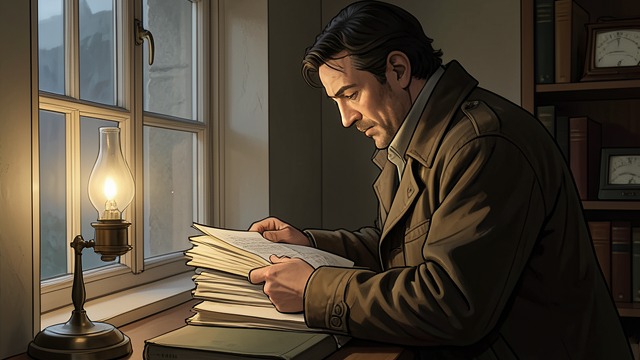
A Historical Inquiry
Motive
Shmuel decides to learn why Shaltiel Abravanel was expelled from leadership.
Method
He searches newspapers and later tries to consult restricted state records.
His research gives structure to his curiosity about Atalia and the house she inhabits.
Atalia Reveals Her Work
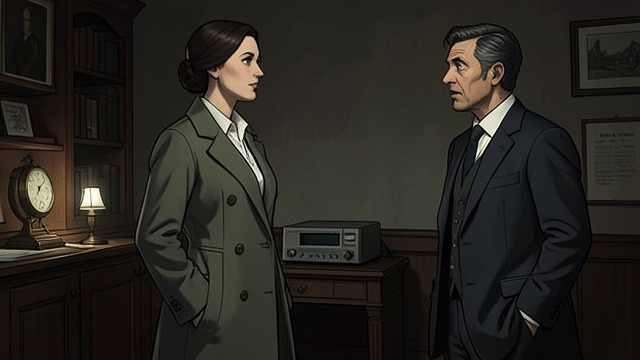
A Professional Secret
Private Agency
Atalia says she investigates adultery, financial standing, and the location of property owners.
A Reversal
She teases Shmuel for turning his curiosity on her.
The disclosure establishes that surveillance is part of her ordinary work, not merely a metaphor for her emotional reserve.
Newspaper Evidence

A Public Record
Two Notices
Shmuel finds newspaper reports about Abravanel’s request to testify and subsequent removal from office.
A Partial Answer
The reports confirm disagreement but provide no full account of the debate.
The archive gives Shmuel evidence while preserving the larger mystery.
A State File Stays Closed
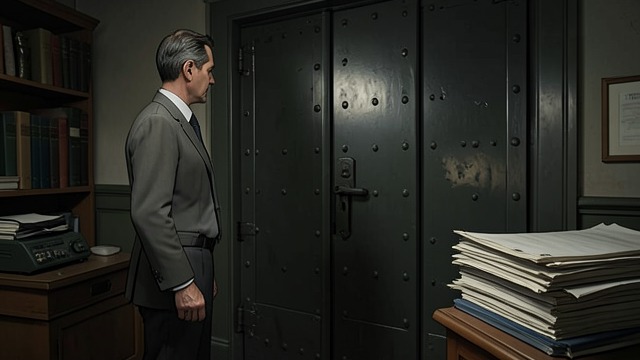
Classified History
Denial of Access
The state archive clerk refuses Shmuel access to secret minutes that will remain closed for decades.
Official Label
The clerk calls Abravanel a traitor as Shmuel is leaving.
The failed search shows that access to evidence is itself a political question.
Two Kinds of Evidence

Memory Beside Documents
Oral Account
Wald fills in details the newspapers and restricted files cannot supply.
Remaining Gaps
Atalia says Abravanel destroyed his papers, leaving no complete archive to recover.
Shmuel’s investigation can assemble a contested story, but not restore an uncontested record.
Midwinter 1959–1960
Several weeks after Shmuel moves in
During Shmuel’s visit to the National Library
Later that winter
After Wald tells his story
