
The Locked Rooms and the Unsent Papers
JudasThis thread follows the novel’s recurring images of writing, secrecy, and documents that disappear before they can settle the truth.
increasing Bearing strength in each event
 decreasing
Bearing strength in each eventdecreasingA Confidential Job
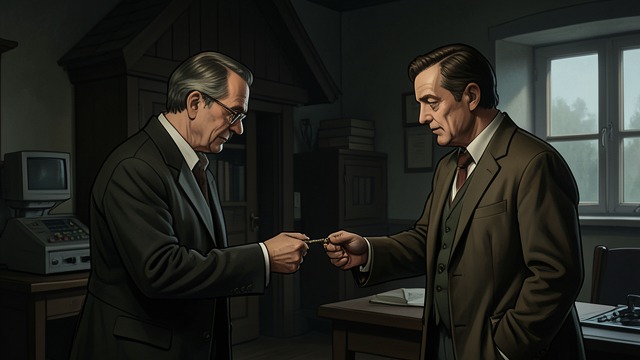
Silence as a Condition
Agreement
Shmuel signs a promise not to reveal his work or the household’s affairs.
Restricted Access
Atalia explains which rooms and routines are outside his authority.
The terms make secrecy a practical rule before it becomes a broader theme.
A Desk Without Papers
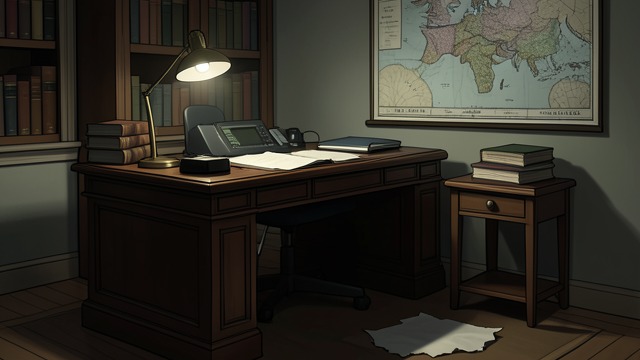
The Empty Study
The Room
In Abravanel’s room, Shmuel finds a cleared desk, old books, and a political map.
Missing Work
Atalia later confirms that Abravanel wrote regularly but left no surviving manuscript.
The empty furniture makes destruction visible as an absence rather than an explained event.
A Letter Never Published

The Lost Resignation
A Reasoned Letter
Abravanel writes a resignation letter explaining his disagreement with the leadership.
Disappearance
Wald says the letter is suppressed, while the archive later denies that it ever existed.
A missing document embodies the political isolation that followed the expulsion.
Writing and Destroying
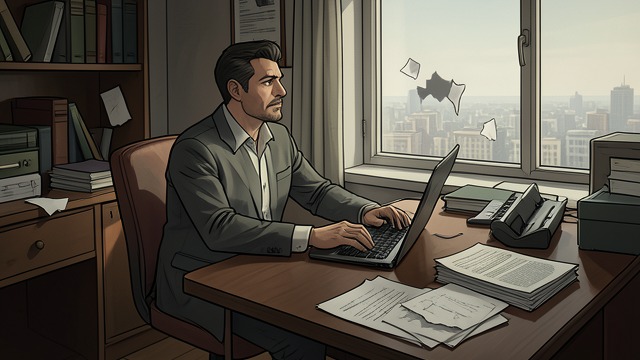
Private Work Erased
Abravanel’s Routine
He reads, walks, and writes in the same house where his political life has collapsed.
Destruction
He tears his papers into small pieces and flushes them away.
The choice erases the record while preserving the act of refusal in other people’s memories.
Shmuel Tears His Letter
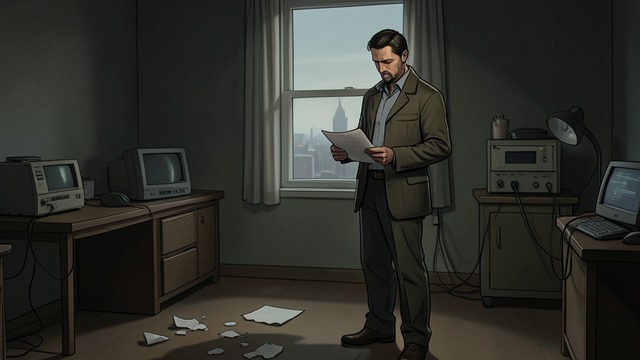
A Repeated Gesture
Draft
Shmuel writes to Yardena and Nesher about his life in the house.
Destruction
He tears the letter into pieces and throws it away, unable to justify disclosure or self-display.
His small act echoes the larger archive of lost words surrounding Abravanel.
Shmuel’s first interview
After Shmuel’s first injury
After Abravanel’s expulsion in 1947
During the postwar years
During his final days at the house
