
The Unfinished Revolutionary
JudasThis thread traces Shmuel’s socialist idealism as Stalin’s crimes, group schism, and Wald’s skepticism undermine its certainty.
increasing Bearing strength in each event
 decreasing
Bearing strength in each eventdecreasingA Committed Speaker
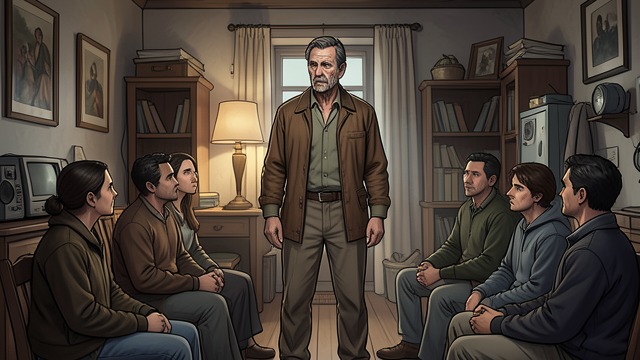
Politics as Identity
The Circle
Shmuel enjoys delivering speeches to a small socialist renewal group.
A Weak Listener
He is less patient when others speak, repeating a pattern that also affects his closest relationships.
His politics give him a cause, though not always a practice of mutual attention.
Stalin’s Reckoning
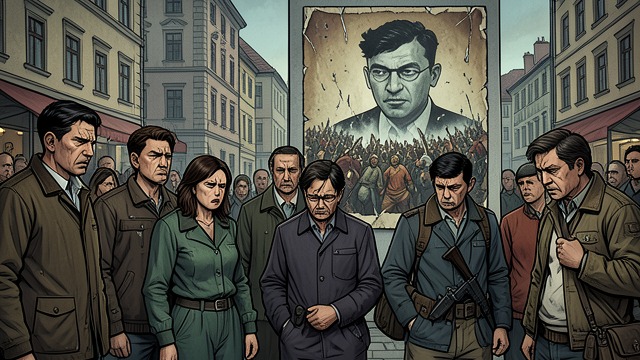
Faith Shaken
Revelations
The group confronts evidence of Stalin-era terror and questions its political inheritance.
Loss of Friends
The debate splits the circle, and Shmuel loses the women whose participation had made it meaningful to him.
His idealism survives the crisis, but its community does not.
The Revolutionary in Exile
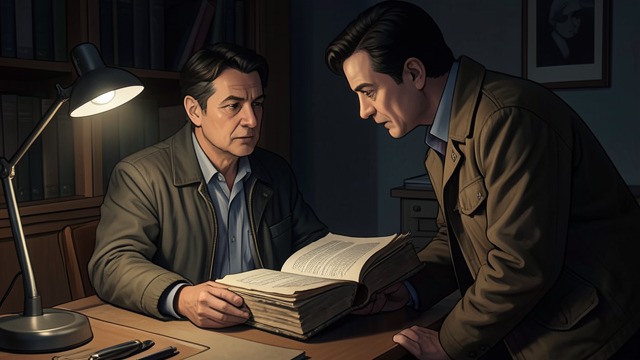
A Cause Without a Circle
Displacement
Shmuel moves into the Wald household and loses regular contact with people his own age.
Private Debates
He continues arguing with Ben-Gurion in his imagination and discussing political theory with Wald.
Revolutionary identity becomes more solitary and self-questioning.
The Coffeehouse Revolutionary
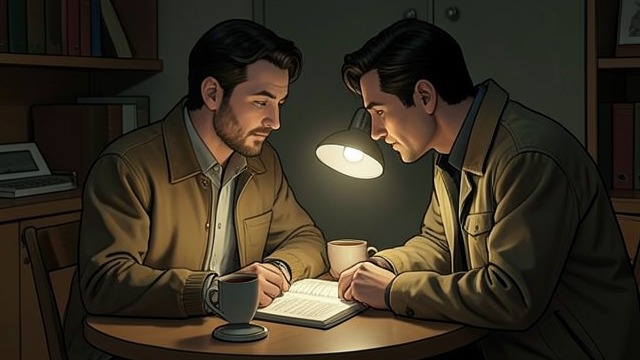
Doubt Enters the Cause
Wald’s Influence
Shmuel says that Wald has taught him to notice cracks in his certainty.
A Reduced Claim
He suspects he may become a revolutionary of the cafe rather than a true revolutionary.
The transformation is not an ideological conversion, but a loss of confidence in uncomplicated solutions.
A Future Without a Program
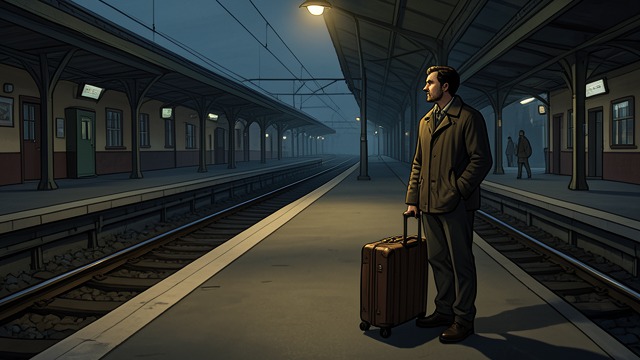
The Cause Is Not Enough
Departure
Shmuel leaves Jerusalem without a political organization, academic post, or clear plan.
Open Possibility
The journey gives him distance from his former identities without replacing them with a new one.
His future remains unresolved, like the larger question of how idealism can act without becoming coercive.
Before the winter of 1959
Late 1959
After he leaves university
Near the novel’s end
On the road south
